James Van Der Beek has died at 48 — 'Dawson's Creek' loses the voice of a generation
An actor who defined the archetype of 1990s teen drama has died after a long battle with colon cancer. We examine what remains of his legacy and why it matters today.

By Tetiana Suchkova-Ladik
February 12, 2026 · 2 min read
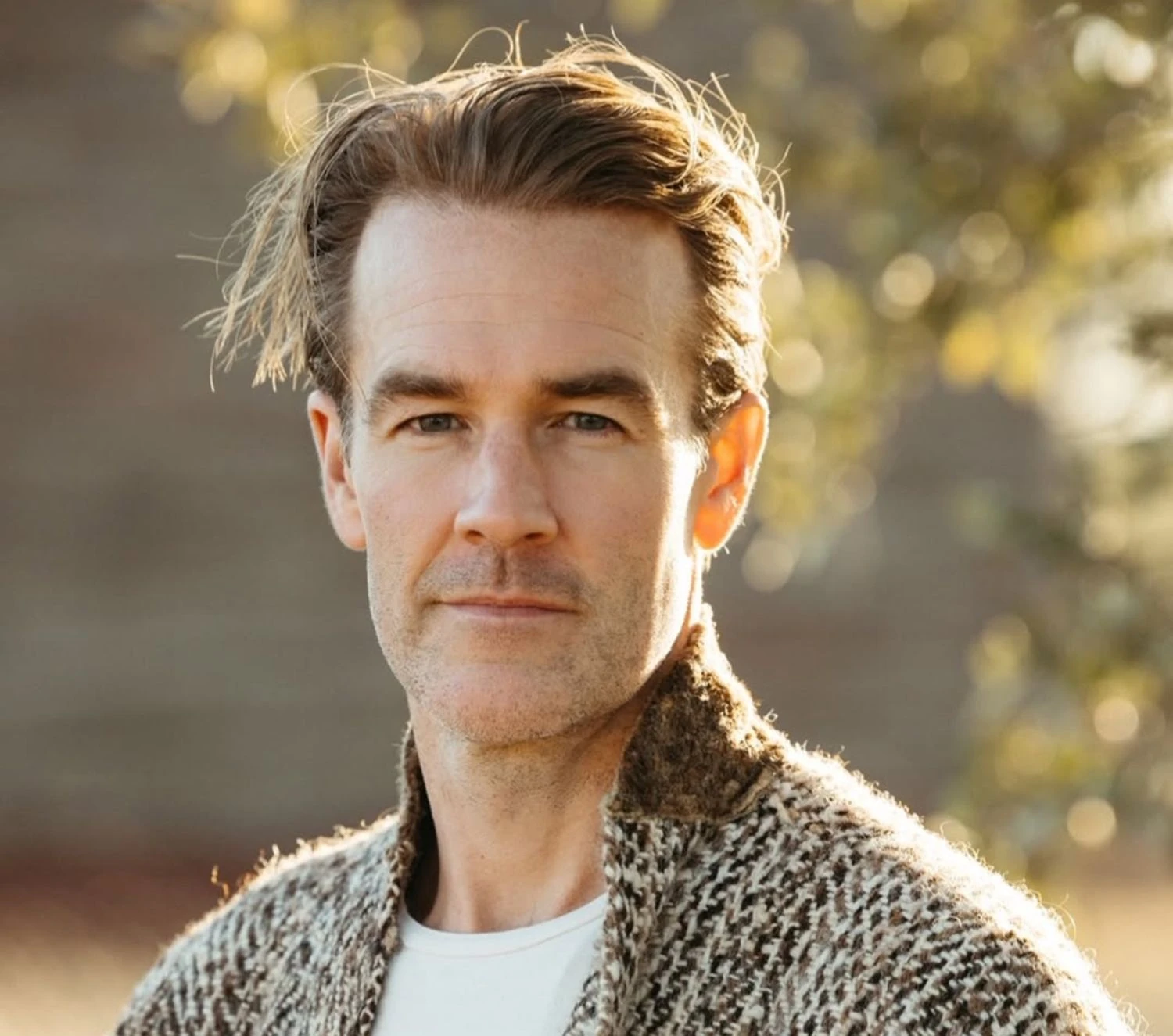
James Van Der Beek: 48, the role that defined a generation
James Van Der Beek, known to viewers as Dawson Leery from the cult series "Dawson's Creek", has died at 48. The actor's family announced his death in an Instagram post; the UNN news agency relayed the information to domestic media.
According to reports, Van Der Beek had been battling colon cancer for a long time: the diagnosis was made in 2023, the following year the actor spoke openly about the illness, and in March 2025 he hinted at remission and plans to return to work. Despite those hopes, the family said he "peacefully passed away" and asked for privacy during their days of mourning.
"Our beloved James David Van Der Beek peacefully passed away this morning. He met his final days with courage, faith and dignity. There is much to tell about his wishes, his love of humanity and the sanctity of time. Those days will come. For now, we ask for quiet privacy as we grieve our beloved husband, father, son, brother and friend."
— The Van Der Beek family, Instagram post
Van Der Beek was born in the state of Connecticut and began his acting career while still in school, later working in theatre and on television. He achieved worldwide fame with the lead role in "Dawson's Creek", which aired on the WB for six seasons and became a cultural touchstone for 1990s audiences.
Legacy and significance today
For many generations, Dawson was not just a TV character but a symbol of a certain sensitivity in teen drama — and that voice still appears in pop culture. After news of the actor's death, memories, quotes and clips from the series are appearing on social media — social proof of his impact on viewers' memories.
This story matters not only as news of a loss. It also reminds us of the issue the actor himself faced: colon cancer. Oncology experts repeatedly stress the importance of early diagnosis and regular screenings, especially for people in age groups where risks increase. For readers, it is a prompt to pay attention to the health of loved ones.
Without fanfare: Van Der Beek's legacy lies in roles that new audiences continue to watch and in the memories of those whose own emotions his characters helped them understand. In the coming days, new statements from colleagues and archival materials are likely to appear; viewers will decide for themselves whether to turn memories into a conversation about art and health.
Now it's up to those who shape cultural memory: whether platform archiving will revive interest in "Dawson's Creek," or whether memory will remain in the private stories of fans — time will tell.