Federico Fellini — 106: three films worth watching today
On January 20 Federico Fellini would have turned 106. We examine why these three films — 8½, La Dolce Vita and Amarcord — remain important and what they can say to contemporary viewers in Ukraine.

By Tetiana Suchkova-Ladik
January 20, 2026 · 2 min read
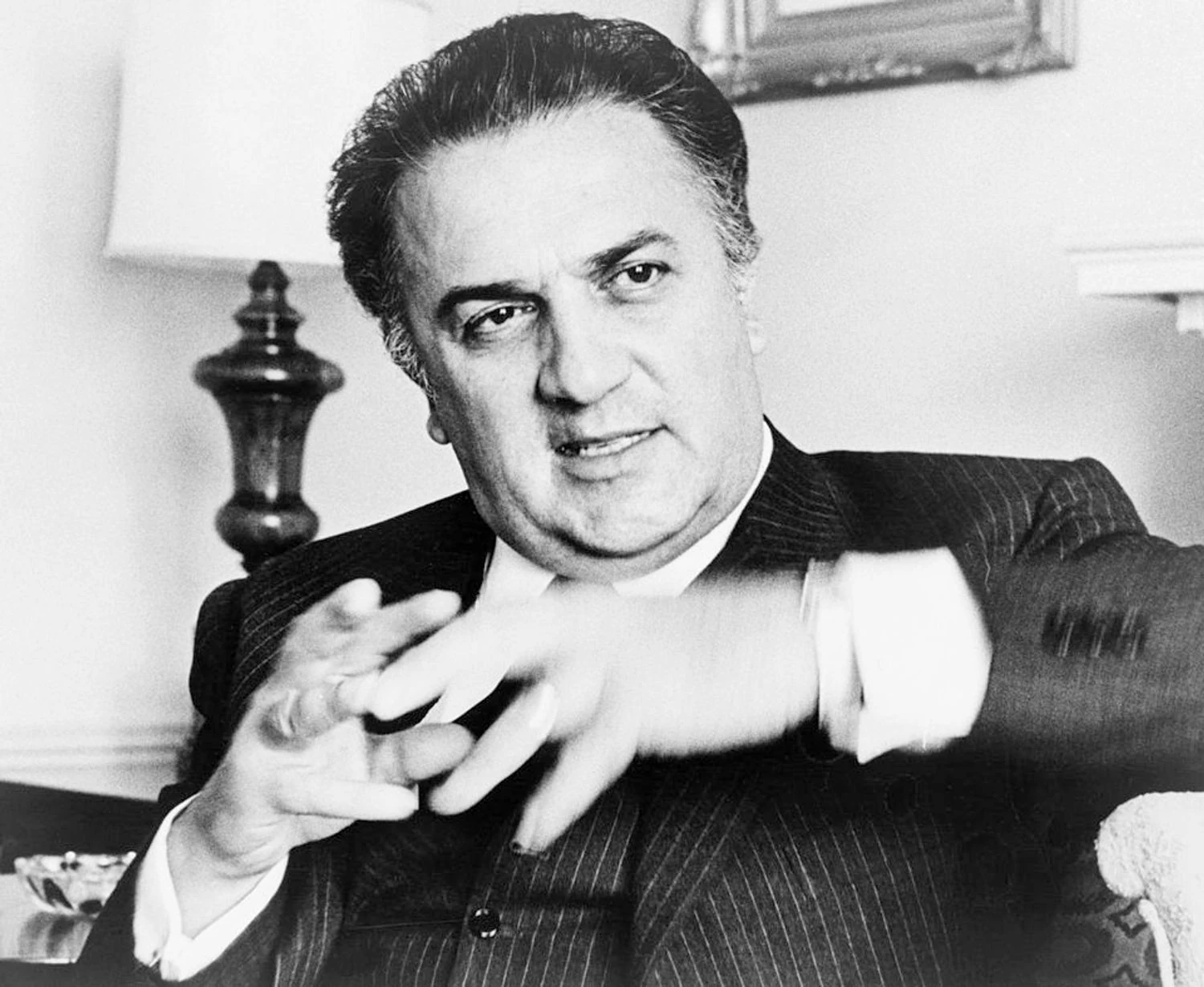
Today, January 20, the global film community remembers Federico Fellini — a director whose language of images has stood the test of time. We offer three films that best show his approach: a combination of reality and fantasy, humor and melancholy, the personal and the historical.
Why Fellini is important right now
Fellini can translate the personal into the universal. At a time when culture and memory are under threat, his films become a tool for understanding how art shapes identity. Film critics and directors continue to refer to these works as key examples of the 20th century — and this is not mere nostalgia, but a practical approach to how to tell stories about the human condition in turbulent times.
«8½»
Plot: a director searches for inspiration for a new film, balancing between memories, fantasies, and reality.
Why watch: «8½» is a film about a creative crisis that becomes a source of meaning. The shots work like psychological sketches, where the boundary between dream and reality is deliberately blurred. Pay attention to how Fellini constructs a visual metaphor of the director's inner world — it's a lesson in how the personal becomes public.
"'8½' is one of the greatest films in the history of cinema."
— Roger Ebert, film critic
«La Dolce Vita»
Plot: journalist Marcello wanders through Rome at night, observing the glitter and emptiness of glamorous life.
Why watch: this film is an exploration of social masks and their cost. Fellini shows how outward shine masks inner emptiness; for the contemporary viewer it's a reminder of the price of image in the media age. In the context of Ukraine — it's also about preserving meanings in spite of informational noise.
«Amarcord»
Plot: a nostalgic portrait of life in a provincial Italian town through a child's memories.
Why watch: in «Amarcord» Fellini recreates everyday details — smells, sounds, small episodes that form collective memory. Against the backdrop of rising authoritarian tendencies in the 20th century, the film demonstrates how everyday life interweaves with politics and how historical experience is conveyed through simple images.
"All art is autobiographical. The pearl is the oyster's autobiography."
— Federico Fellini, director
Fellini left behind not just films, but methods for seeing and preserving memory. Watching these three films today is not only an aesthetic pleasure but also an opportunity to reread your own history through the prism of art. Which of these worlds will you choose for an evening of reflection — the space of dreams, morning Rome, or the smells of childhood?