Lantern Festival in Zigong: A Tradition That Unites Art and Commerce
The Zigong International Lantern Festival opened in Sichuan province — featuring more than 200 handcrafted exhibits, giant installations and unexpected materials. We explain why it’s more than just a pretty picture: culture serves as soft power and as a local business.

By Tetiana Suchkova-Ladik
January 24, 2026 · 2 min read
Briefly — why it matters
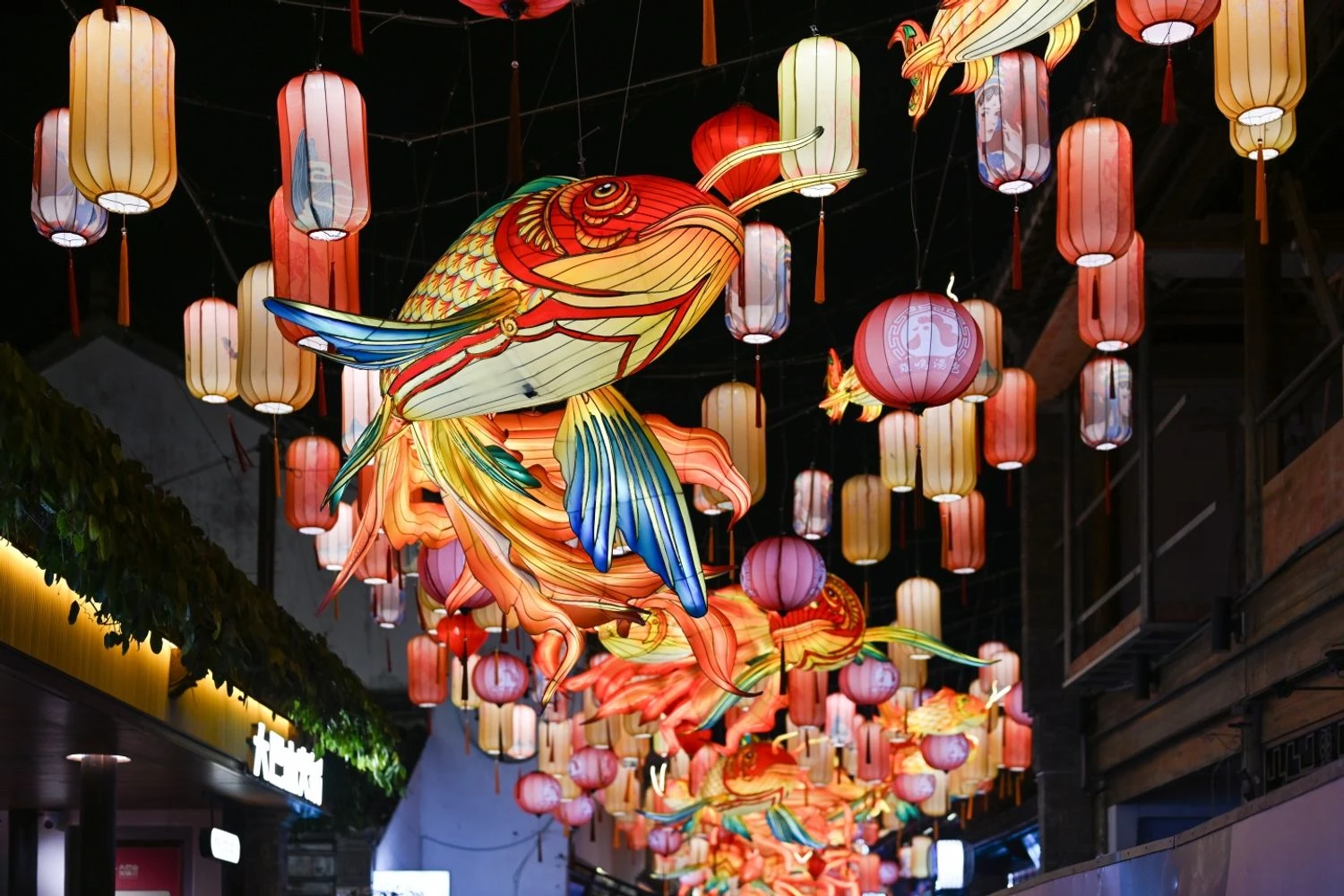
On Friday in Zigong (southwestern Sichuan) the annual International Lantern Festival opened. The opening showcased more than 200 handmade lanterns — from traditional figures to large-scale installations, some stretching for hundreds of meters. The event is being covered by Reuters and UNN, and it is more than a local celebration: it is a display of craftsmanship, tourism and economic momentum.
Details to note
This year’s Lunar New Year falls on February 17 — the start of the Year of the Horse in the Chinese zodiac — so horse imagery runs through the exhibits. Among the displays are a 210-meter installation called “Magical China,” inspired by the legend of the giant Kunpeng, and a 180-meter “Legend of Mulan” featuring a herd of horses that alludes to the symbolism of the year.
Organizers said making the lanterns took several weeks and about 1,200 workers. Materials were not limited to traditional straw: chili peppers and recycled medicine bottles were used, adding themes of sustainability and creative economy. Crowds gathered at the opening to see the fusion of folk art and large-scale installations (Reuters/UNN).
Culture as soft power and a local economic boost
Festivals of this scale operate on several fronts at once: they preserve craft, drive tourism and create jobs. Against reports of China’s economic growth (+5.3% in the first quarter), events that raise domestic demand and visitor inflows carry weight not only culturally but also macroeconomically (Reuters/UNN).
"When I was a child, my parents took me to the Zigong Lantern Festival almost every year. For us, natives of Zigong, the lantern festival is simply an integral part of celebrating the Lunar New Year. Now I bring my child to see the lanterns."
— Huang Ye, 32, a resident of Zigong
What this means for us
The festival is a reminder of how culture can be a tool for influence and economic recovery. For Ukraine this is a useful example: investments in crafts, creative industries and sustainable materials can become part of reconstruction and international outreach. While lanterns light up Chinese streets, the practical question remains: how to turn cultural heritage into a stable economic and diplomatic resource?
Sources: Reuters, UNN.