Gabry Ponte to close the 2026 Olympics in Verona — a musical finale that will unite the world
An Italian DJ and producer will perform at the closing ceremony on February 22 at the Arena di Verona; live on NBC and Peacock. Why this is more than a show and what it means for the international audience — short and to the point.

By Tetiana Suchkova-Ladik
February 16, 2026 · 2 min read
What is known
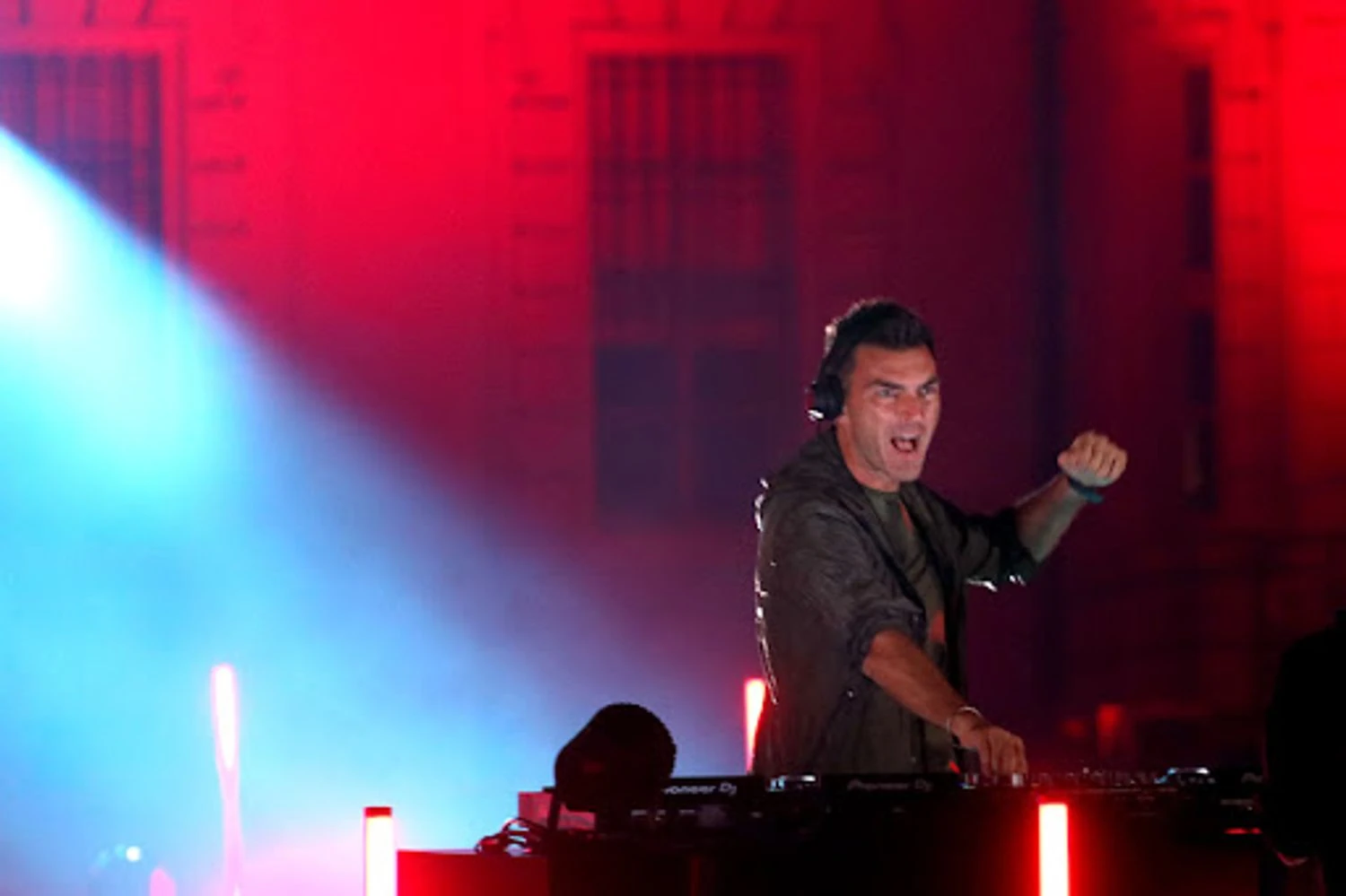
The Olympic Committee has announced the head performer for the closing ceremony of the 2026 Winter Olympic Games. According to Newsweek, cited by UNN, it will be Italian musician, DJ and producer Gabry Ponte.
The closing ceremony will take place on Sunday, February 22, at the Arena di Verona. The live broadcast will have international reach — it will be shown on NBC and on the Peacock platform, with a prime-time repeat at 9:00 p.m.
About the artist
Gabry Ponte has worked in electronic music for more than 25 years: he has multi-platinum records, Grammy nominations and over 15 million monthly listeners on Spotify, according to the artist's official website. These figures explain why organizers chose him for the global stage.
"It will be a spectacular moment that brings together athletes and spectators from around the world in a shared celebration. Among the main performers of the evening is Gabry Ponte, an international icon of dance and electronic music, who will transform the stage into a true hub of energy and interaction"
— organizers of the ceremony
Why it matters
Closing ceremonies are not just a show: they are large-scale cultural communication with a million-strong audience. Choosing an artist with a large international listener base follows the logic of attracting attention and shaping a positive image of the Games in the global media space.
For the Ukrainian public this is also a symbolic moment: against the backdrop of sporting results, the stage provides an opportunity to emphasize values that are important to us — solidarity, humanity, and respect for competition. The very fact of a large-scale musical format means that messages that can be organically included in the ceremony will be seen and heard by far more people than in a traditional television slot.
Brief conclusion
Gabry Ponte at the 2026 Olympics closing ceremony is a decision that combines artistic recognition with the need for the widest possible reach. It won't change the medal table, but it could affect how the world remembers these Games. The next step is up to the organizers: to ensure that the music is not just a backdrop, but becomes part of the event's story.