Imperial "Winter Egg" by Fabergé sold for £22.9m ($30.2m)
At Christie's in London the "Winter Egg," made for Nicholas II in 1913, fetched £22.9 million (about $30.2 million). The sale set a new world record for Fabergé works; the egg is one of the few imperial eggs in private collections.

By Tetiana Suchkova-Ladik
December 3, 2025 · 1 min read
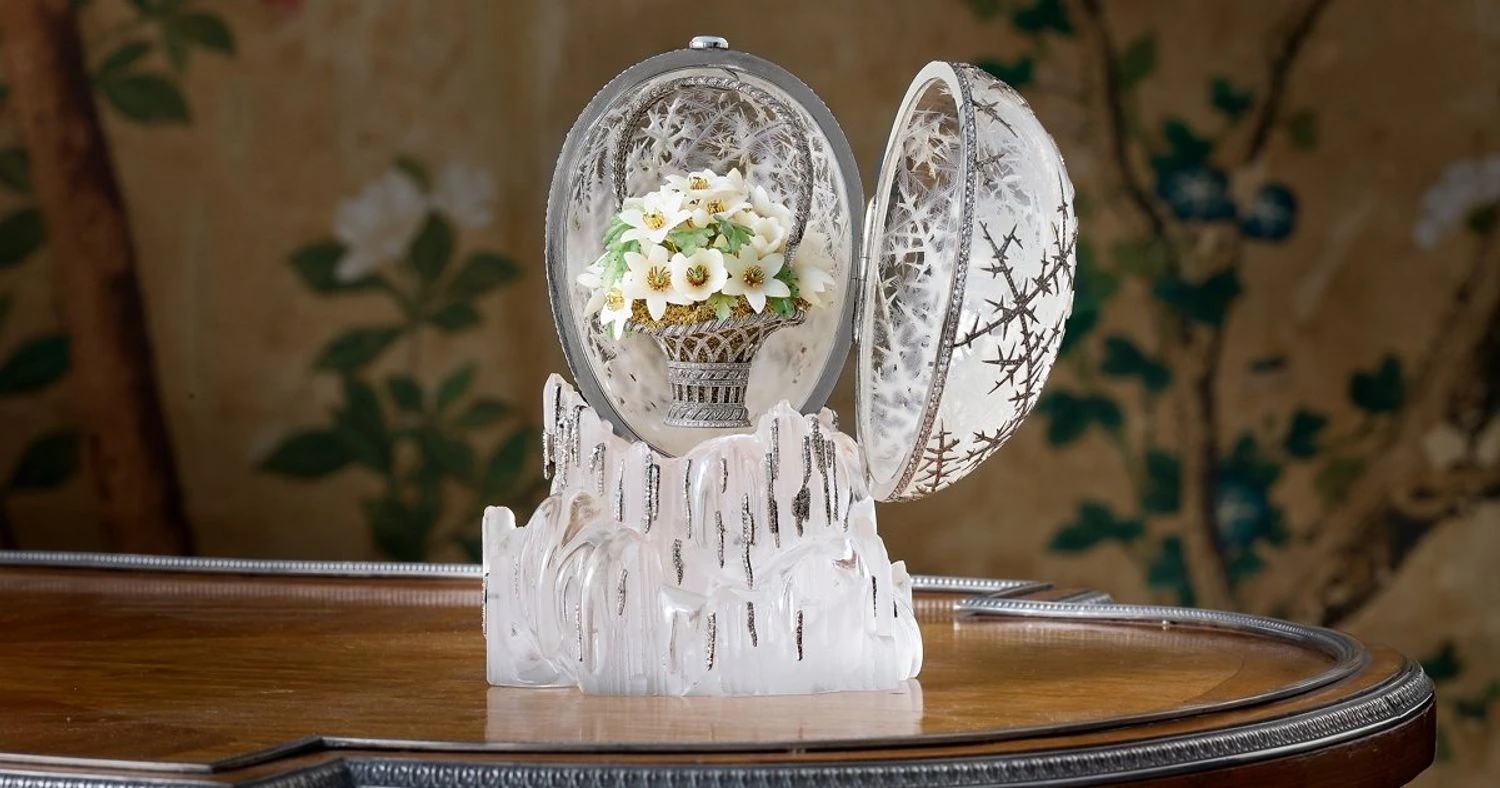
At a sale in London, Fabergé's 'Winter Egg' fetched £22,895,000 (approximately $30.2m), setting a new auction record for the jeweler's works. The piece is among the last imperial eggs remaining in private ownership.
Description of the work
The egg is made of rock crystal; on its inner surface a pattern resembling hoarfrost is visible, while the exterior is decorated with platinum snowflakes set with rose-cut diamonds. The work is regarded as one of the most exquisite examples of the craftsmanship of Peter Carl Fabergé.
Provenance
The commission for this piece was made by Emperor Nicholas II in 1913 as an Easter gift for his mother, Empress Maria Feodorovna. After the 1917 revolution the egg was taken from St Petersburg to the Kremlin Armoury in Moscow along with other imperial valuables.
In the 1920s the Soviet authorities began selling off art collections, and the egg was later bought by the London firm Wartski. In 1934 it was resold to a British collector for £1,500. During the period from 1975 to 1994 the piece was considered lost; it then reappeared at auction and was sold for £6.8m, and in 2002 it was resold for £7.1m.
Auction context
The current result surpassed the previous record for Fabergé's works, set in 2007 when the Rothschild Egg sold for £8.9m. In the November run-up to the sale this example had been valued at over $26m. Because only a few imperial Easter eggs remain in private collections, the appearance of this lot represented a rare opportunity for collectors.
Peter Carl Fabergé is considered the most outstanding Russian jeweller of the late 19th to early 20th century; his works were included in the royal collections of Russia, Denmark and the United Kingdom.