Kristen Stewart Wants to Direct the 'Twilight' Reboot. Why This Is More Important Than Nostalgia
Kristen Stewart told Entertainment Tonight (via Variety) that she "would like" to make a reboot of the franchise. It's not just a desire to return to Forks — it's a question of authorship, budget and the influence of the fan community on major studio projects.

By Tetiana Suchkova-Ladik
January 6, 2026 · 2 min read
What's at stake
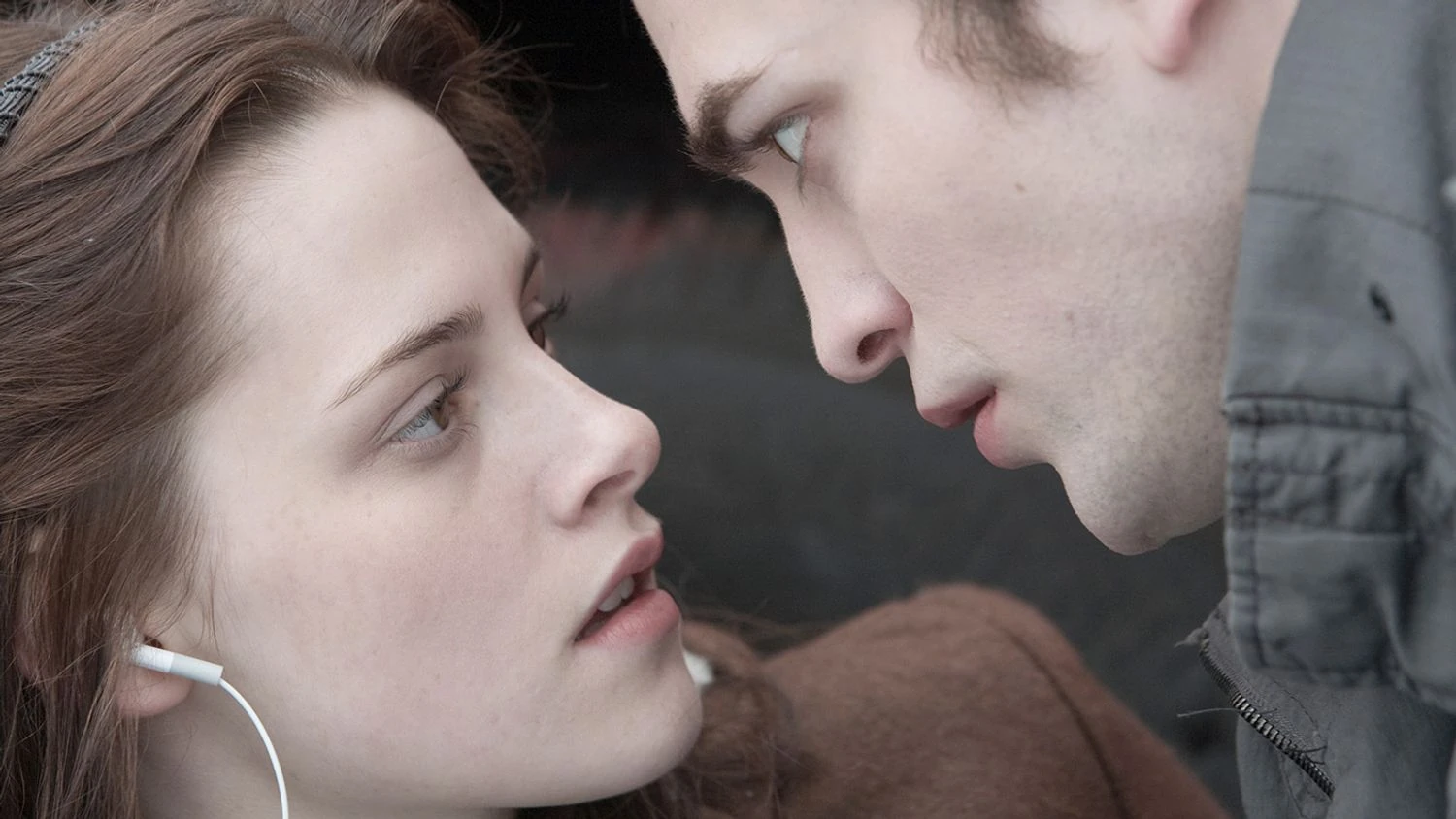
Kristen Stewart told Entertainment Tonight (reported by Variety) that she is willing to direct a reboot of the "Twilight" franchise — the series that between 2008 and 2012 brought in over $3 billion in worldwide box office and effectively launched Stewart's career. Her statement reads less like casual nostalgia and more like a pragmatic move: Stewart named conditions she considers critical for such a project — a big budget and broad fan support.
What Stewart actually said
“I would happily… look. I like what Katherine [Hardwicke] did, I like what Chris [Weitz] did, I like what all the directors did with these films… They were themselves, strange and a little quirky, and just so alive at a time when they didn’t yet quite know who they were, before they became famous.”
— Kristen Stewart, actress and director (Entertainment Tonight / Variety)
She also spoke explicitly about the need for a “big budget” and “a lot of love and support” from fans — an obvious point that rebooting major franchises requires both financing and a social license from the viewing community.
Context: legacy and risks
The "Twilight" franchise is a commercial phenomenon with a strong core fandom. But box office success doesn’t guarantee creative freedom: Robert Pattinson told GQ in 2022 that during filming he was often “furious,” because studio approaches didn’t align with his vision. This is a reminder that a reboot needs not only a director’s name but real backing from the studio and the actors.
Why this matters for the industry (and for Ukraine)
There are several reasons Stewart’s statement goes beyond mere curiosity about reboots:
- Authorship in large-scale franchises: when a performer becomes the director of a project with a huge fan base, it tests whether studios are ready to give space to an authorial perspective.
- Recognition of women directors: Stewart was included in Variety’s list of “10 Directors to Watch in 2026” — a signal that her directorial career has critical support and could change expectations about the role of women in blockbusters.
- Soft power and shaping narratives: major franchises shape the cultural images of generations. For Ukrainian audiences this is a useful case: how an authorial stance can reinterpret familiar stories and contribute to greater representation behind the camera.
Reactions and next steps
Three parties are key: the director, the original actor(s), and the studio. Stewart has authority and momentum as an iconic actress, but realizing the project will require decisions from producers and possibly the consent of key actors. Variety emphasizes that Stewart now has both critical attention and professional momentum following her directorial debut, The Chronology of Water.
Conclusion
Stewart’s statement is more than a starry postscript: it’s a challenge to the industry to test whether it’s ready to hand major brands to creators who see them differently. For viewers and fans the question is simple: will they support such a transformation with their attention and their voices on social media? And for studios — are they ready to invest in a project where an authorial approach might change a profitable formula?
“Yes, of course I’ll make the remake. I’ll do it! I’m determined!”
— Kristen Stewart, actress and director (Entertainment Tonight / Variety)