Tuesday, May 26, 2026
Today's Edition

EveryNews

Stories that matter, signal over noise

Culture

Leonardo DiCaprio: AI Will Help Cinema, but Art Must Remain Human

In an interview accompanying his recognition as TIME's Artist of the Year, DiCaprio acknowledged the usefulness of AI for filmmaking but said that true art must come from humans. He also voiced criticism of the popularity of AI-generated music and virtual performers.

Tetiana Suchkova-Ladik

By Tetiana Suchkova-Ladik

December 9, 2025 · 1 min read
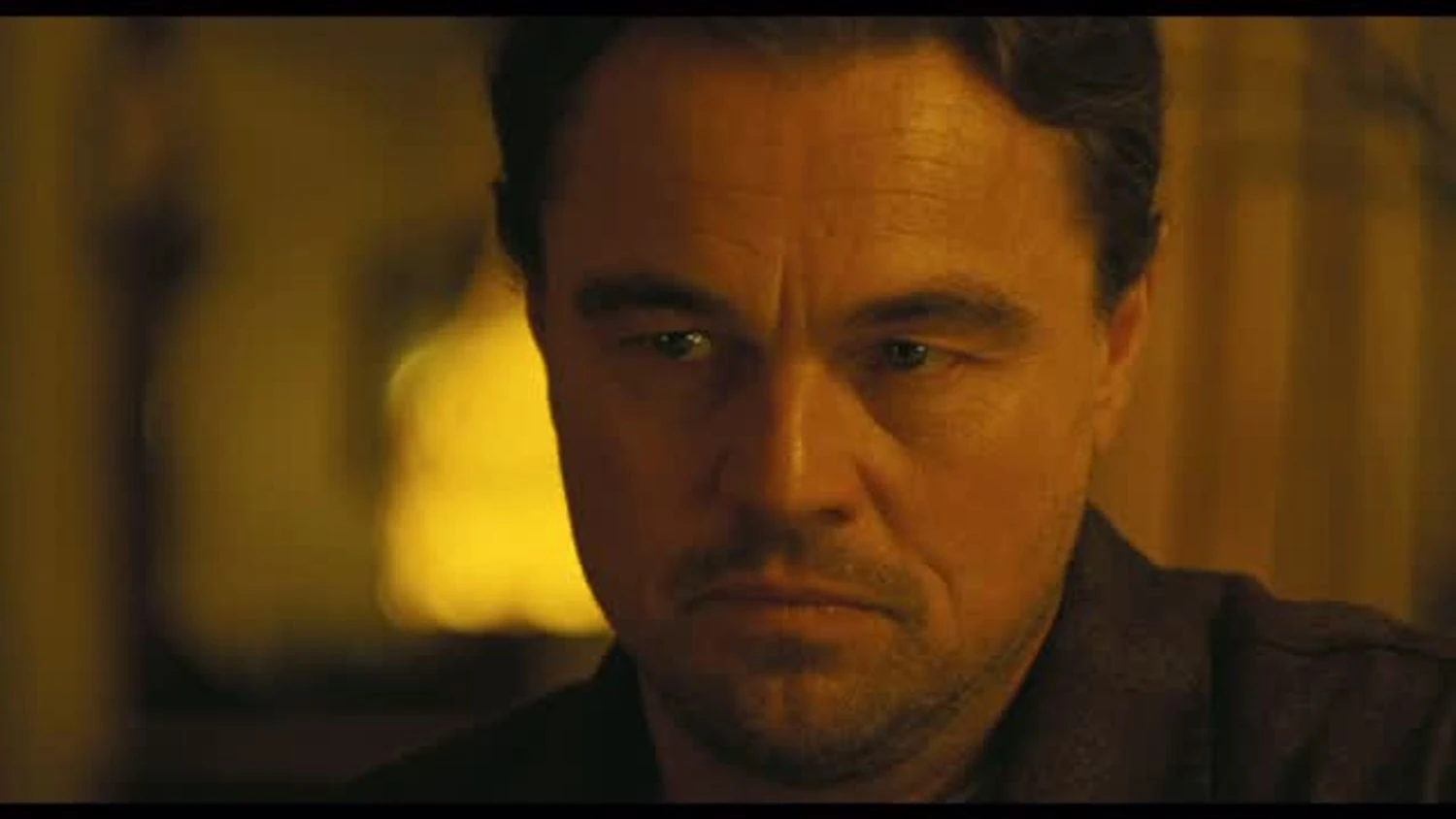
Leonardo DiCaprio: AI Will Help Cinema, but Art Must Remain Human

Leonardo DiCaprio, during an interview about being named TIME's Artist of the Year, voiced doubts about the role of artificial intelligence in creative processes.

A look at AI in cinema

The actor conceded that AI could become a useful tool for filmmakers, particularly young directors, but stressed that true art should originate from a human.

"It can be an enhancement tool for a young director who will do something we've never seen before. I think anything that will truly be regarded as art has to come from a human"

– Leonardo DiCaprio

AI in music and streaming

He also noted that technological "mashups" can be impressive, but often quickly lose significance and lack a human core.

"Otherwise... haven't you heard those songs that are mashups, just brilliant, and you think: 'Oh my God, that's Michael Jackson performing The Weeknd,' or 'It's the funk from A Tribe Called Quest's "Bonita Applebum," performed, you know, in Al Green's voice in a soul style, and it's brilliant.' And you say: 'Cool.' But then it gets its 15 minutes of fame and just dissipates into the ether of other internet junk"

– Leonardo DiCaprio

Against the backdrop of the rising popularity of artificial music projects like Velvet Sundown, as well as virtual characters such as "DJ Tori" and Xania Monet, live musicians are protesting and calling for restrictions on the use of AI in the music industry.

Related

Latest

Business

EU Against Google: Why the Latest Fine Could Change More Than Previous Ones

# European Regulators Target Google Again — This Time Over Digital Markets Act Violations. What's Behind the Accusations and Why It Matters Beyond the Corporation European regulators have renewed their scrutiny of Google, this time focusing on alleged violations of the Digital Markets Act. The charges underscore Brussels' increasingly aggressive stance on big tech monopolies and what officials say are anticompetitive practices. The accusations center on how Google leverages its dominance across multiple digital services — from search to advertising to mobile platforms — to disadvantage competitors. Regulators claim the company is using its market power in ways that stifle innovation and limit consumer choice. The case carries significance far beyond Google itself. It signals how the EU is attempting to enforce its landmark Digital Markets Act, legislation designed to curb the gatekeeping power of tech giants. A potential penalty could set precedent for how other large technology companies face similar scrutiny. For consumers and smaller tech firms, the outcome could reshape the digital landscape by creating more room for competition. For Google, fines and operational restrictions could fundamentally alter its business model in Europe, the world's most stringent regulatory market. The case also reflects a broader geopolitical divide, with the EU pursuing a regulatory approach that contrasts sharply with the lighter-touch oversight favored in the United States.

May 26, 2026