Louvre partially reopens despite strike — a warning sign of security and staffing problems at European museums
Despite staff protests, the Louvre's main masterpieces remain open. This is not just a local labor dispute — incidents in recent months call into question the mechanisms for safeguarding cultural heritage and managing large institutions.

By Tetiana Suchkova-Ladik
December 17, 2025 · 2 min read
What happened
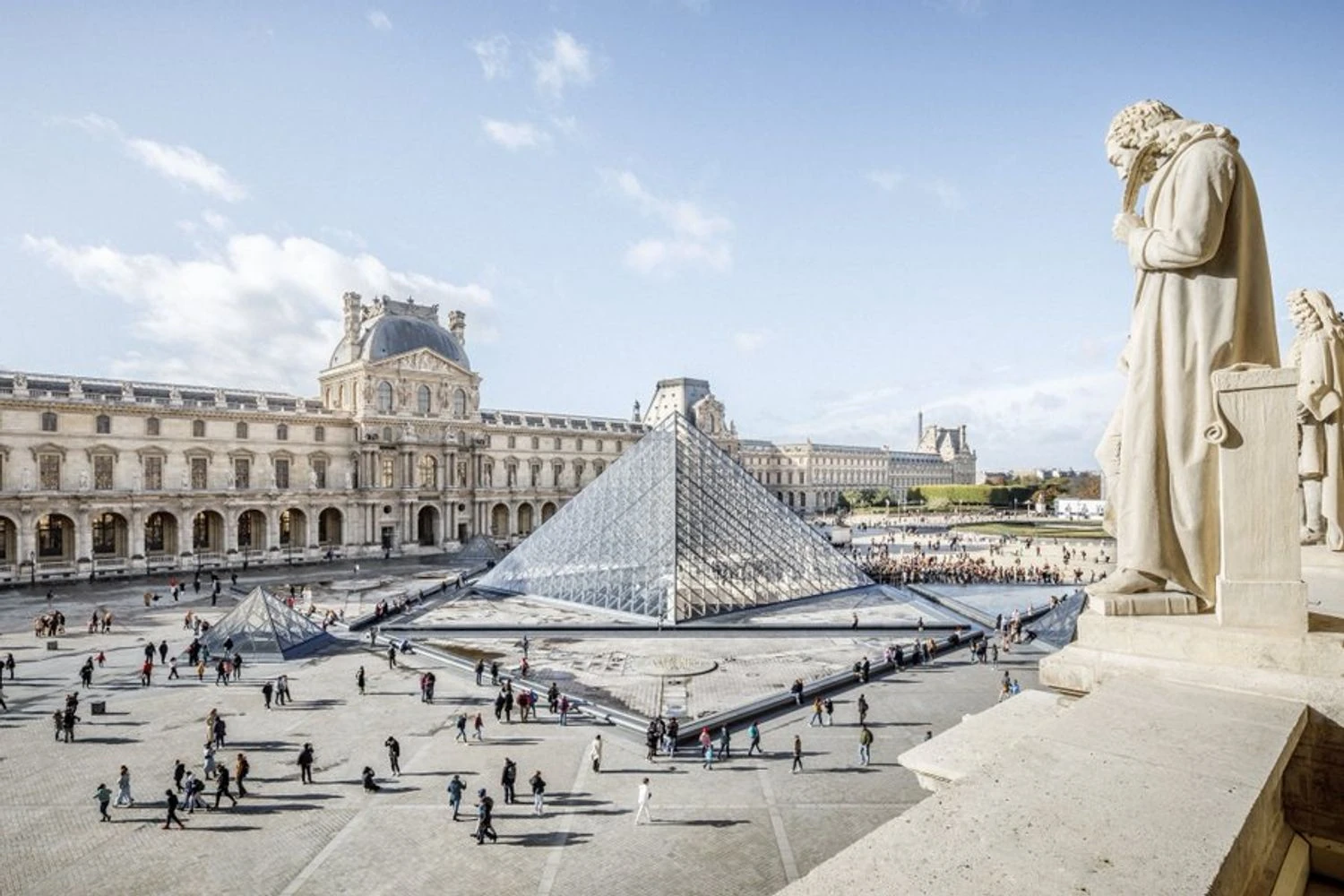
The French museum the Louvre in Paris opened only partially on Wednesday: because of a workers' strike some rooms remained closed, while visitors can access key exhibitions, including to see the Mona Lisa and the Winged Victory of Samothrace (Reuters, UNN).
"The Louvre museum opened this morning a little later. Due to the strike, some rooms will be closed this Wednesday, 17 December. We apologise for any inconvenience."
— the Louvre press office
Why the strike happened
Employees voted to continue the protest, demanding better working conditions, more hiring and higher pay. Unions cite staff overload and poor management — a message that resonates across many major cultural institutions in Europe (Reuters).
Security and reputational context
The strike comes against the backdrop of a series of incidents: in October the Louvre had jewels stolen worth approximately €88 million, and a recent water leak damaged ancient books. These events revealed gaps in the museum's security systems and infrastructure — and called into question the effectiveness of current management. Louvre director Laurence des Cars is due to give explanations to the French Senate on Wednesday, which adds to the political pressure (Reuters).
Why this matters for Ukraine
This story goes beyond the Paris museum. For Ukraine, which during the war has faced risks to its cultural heritage, the Louvre case is a reminder: preserving artefacts requires not only physical protection but also sufficient staffing, infrastructure modernization and transparent management. Museum security experts note that a protection system only works when it has enough people and funding.
Consequences and what comes next
In the short term — reputational damage and a possible further drop in visitor numbers; in the long term — demands for reforms in security and staffing policy. Paris authorities, the Senate and the Louvre leadership face a choice: meet workers' demands and invest in security, or risk repeat incidents and escalation of the protest. For the tourism sector this is also a signal — even the most famous institutions are not immune to staffing and technical problems.
Now the question for the museum leadership and politicians is: will the statements and hearings in the Senate turn into concrete changes that will ensure both the safety of valuables and decent working conditions for those who protect them?