Margot Robbie and Emerald Fennell: 'Wuthering Heights' Brings Back the Gothic Classic — Premiere February 13, 2026
A trailer with millions of views, an Oscar‑winning director, and an unexpectedly modern soundtrack. Why the new adaptation of Wuthering Heights deserves attention right now — brief and to the point.

By Tetiana Suchkova-Ladik
January 23, 2026 · 2 min read
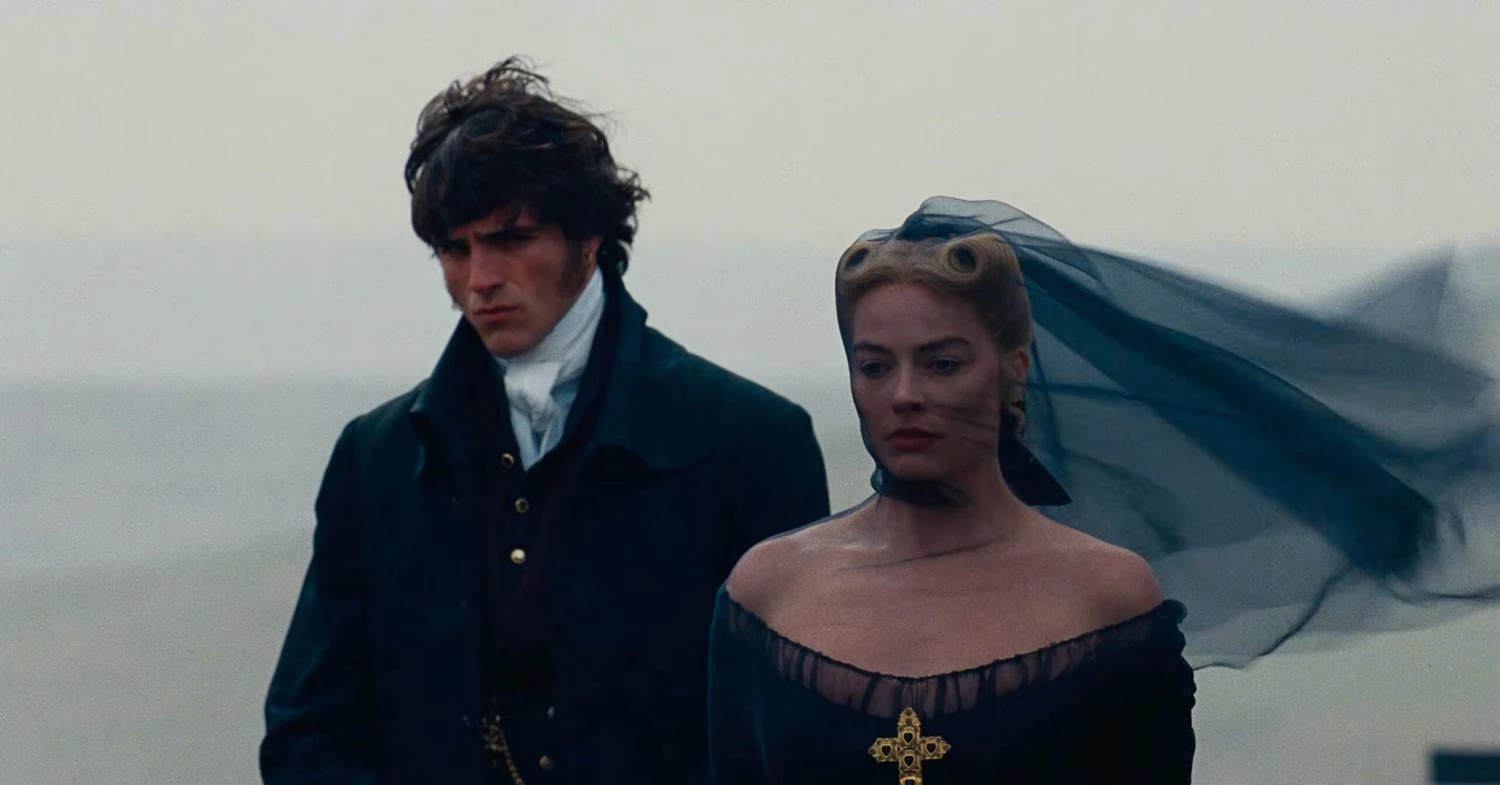
Classics return with intense force. Emerald Fennell, an Oscar winner for Promising Young Woman, has adapted Emily Brontë’s novel: the film is scheduled to premiere on 13 February 2026 — just ahead of Valentine’s Day. Starring Margot Robbie and Jacob Elordi, this is not just another adaptation: the release date and the creators’ approach signal a bet on emotional tension and broad commercial reach.
Trailer: first footage
The official trailer, released in the autumn of 2025, has already racked up millions of views, according to the distributor. The footage shows wide Yorkshire landscapes, dramatic scenes between Catherine Earnshaw and Heathcliff, and contemporary music that heightens the tension and makes the story feel closer to today’s audience. Visually, the film blends traditional gothic aesthetics with elements of modernized staging.
"We sought to preserve the soul of the novel, but to reinterpret it in the language of today — emotionally, visually and sonically."
— press release from the distributor
Context: why this matters
Emerald Fennell is known for work that is intense and intellectually charged. Her approach to the material is not a retro‑restoration but an interpretation that emphasizes inner conflicts and the contemporary resonances of a classic. For the film industry, this is another example of how familiar stories are sold not only on the strength of the brand but through an auteur’s vision and bold sound‑design choices.
History of adaptations
- 1939 — version starring Laurence Olivier;
- 1992 — adaptation with Ralph Fiennes and Juliette Binoche;
- 2011 — a British interpretation with Tom Hardy and Abbie Cornish;
- in addition, the novel has been adapted for television and in other countries numerous times — each version offered its own take on the characters’ fraught relationships.
What it means for viewers and the industry
The film is likely to spark debate among critics and audiences: from those seeking fidelity to the original to supporters of an auteur’s reconstruction. For Ukrainian viewers, it’s another opportunity to see how a global classic is reframed in a contemporary emotional register, and a chance to discuss universal themes of relationships, revenge and social context. Commercially, the release has the potential to be a noticeable title in early 2026, especially thanks to the cast and the musical score.
Summary: Wuthering Heights, directed by Fennell, is less a reissue of the canon than an attempt to reboot the theme for a new generation. Now — we wait for critics’ responses and audience reactions during the opening weekend after the premiere.