Monokate draws on folklore: how a Eurovision 2026 national selection performance boosts Ukraine's cultural presence
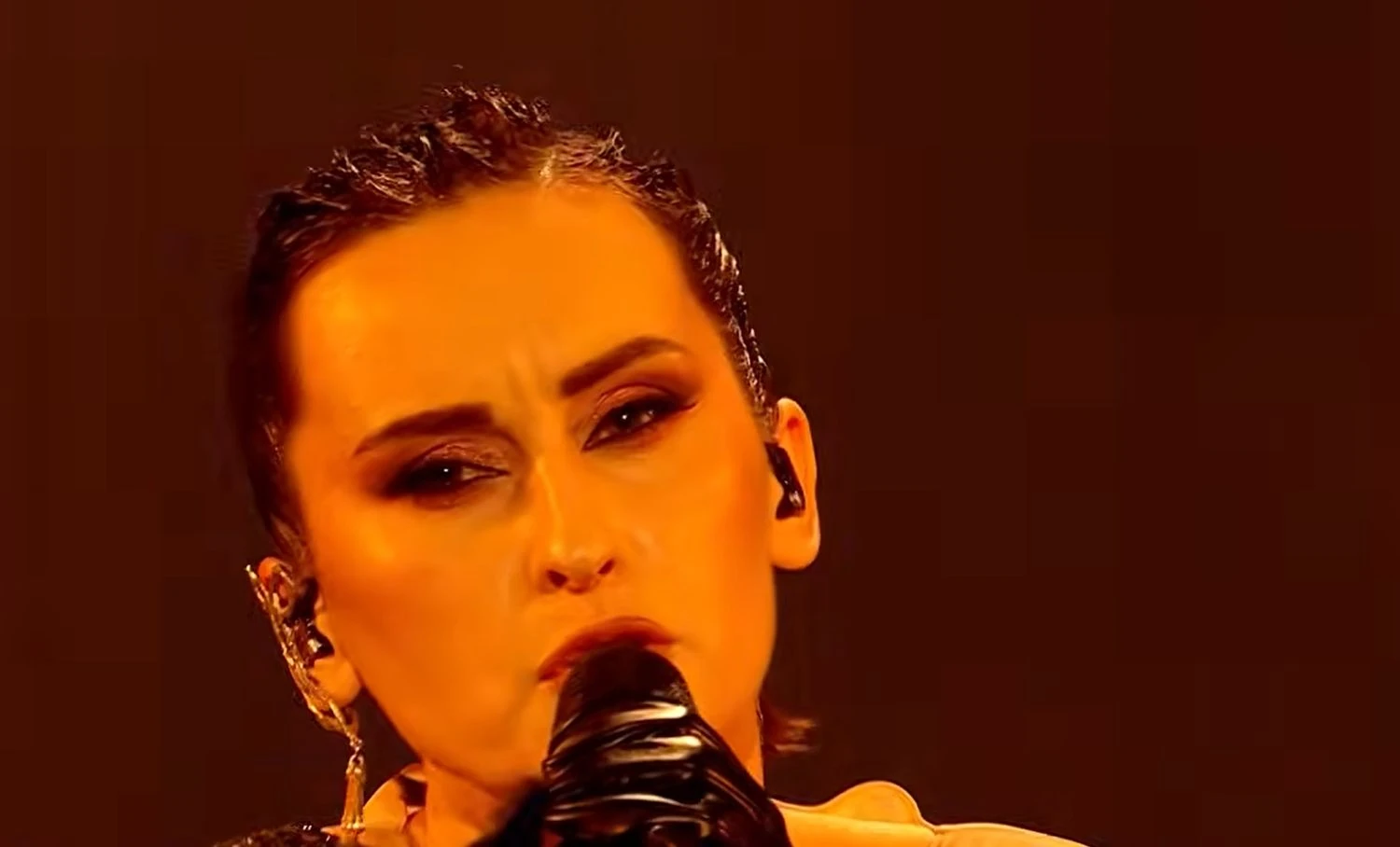
Kateryna Pavlenko (Monokate), the former lead singer of Go_A, in performance No. 3 combined electronic music and folk motifs — not just a performance, but a gesture of cultural resilience on the international stage. We explain why this is especially important right now.

By Tetiana Suchkova-Ladik
February 7, 2026 · 2 min read
What happened
At the national selection for Eurovision 2026, Kateryna Pavlenko, known as Monokate and the former lead singer of Go_A, performed third with an act that combined contemporary electronics and authentic folk motifs. The event was covered by national media; it was a striking example of how musicians rework folklore for the mass stage.
"Kateryna Pavlenko surprised the audience and jury members with a unique representation of Ukrainian culture."
— UNN
Why it matters
Eurovision long ago became more than just a song contest — it is a platform for cultural diplomacy. The blend of electronics and folklore works on several levels: it preserves national identity, makes it accessible to an international audience, and reinforces the message that Ukrainian culture is alive and evolving even in wartime. For viewers, this is a matter of the country's image security: a strong cultural presence bolsters international support.
Context is also on the performance's side: in 2021 Go_A with the track "Shum" placed 5th at Eurovision and finished second in the televote — proof that the format of folk motifs in a modern arrangement has international resonance.
Diversity on stage
The 2026 national selection shows genre breadth: alongside Monokate the program featured other bold entries — from pop experiments to rap manifestos (including a performance by Valeriya Force). This signals that the Ukrainian scene is experimenting and offering different ways to represent the country on the international stage.
What’s next
Now the key question is the reaction of viewers and the jury. If the national selection favors authenticity and a daring fusion of tradition with modernity, Ukraine will gain another strong cultural argument on the European stage. That does not guarantee victory, but it increases recognition and confirms that our culture can transform and exert influence.
Practical note for the reader: pay attention not only to the show as entertainment, but to how these images work to secure international support for Ukraine — in the long term this is as important as resilience on the front lines.