Alexander Rybak returns: with the song 'Rise' he vies for Norway's spot
The legendary winner of Eurovision 2009 is once again entering the national selection — a potential comeback with a familiar instrumental signature could influence the competition and viewers' attention across Europe.

By Tetiana Suchkova-Ladik
January 21, 2026 · 2 min read
Rybak in the national selection: what is known
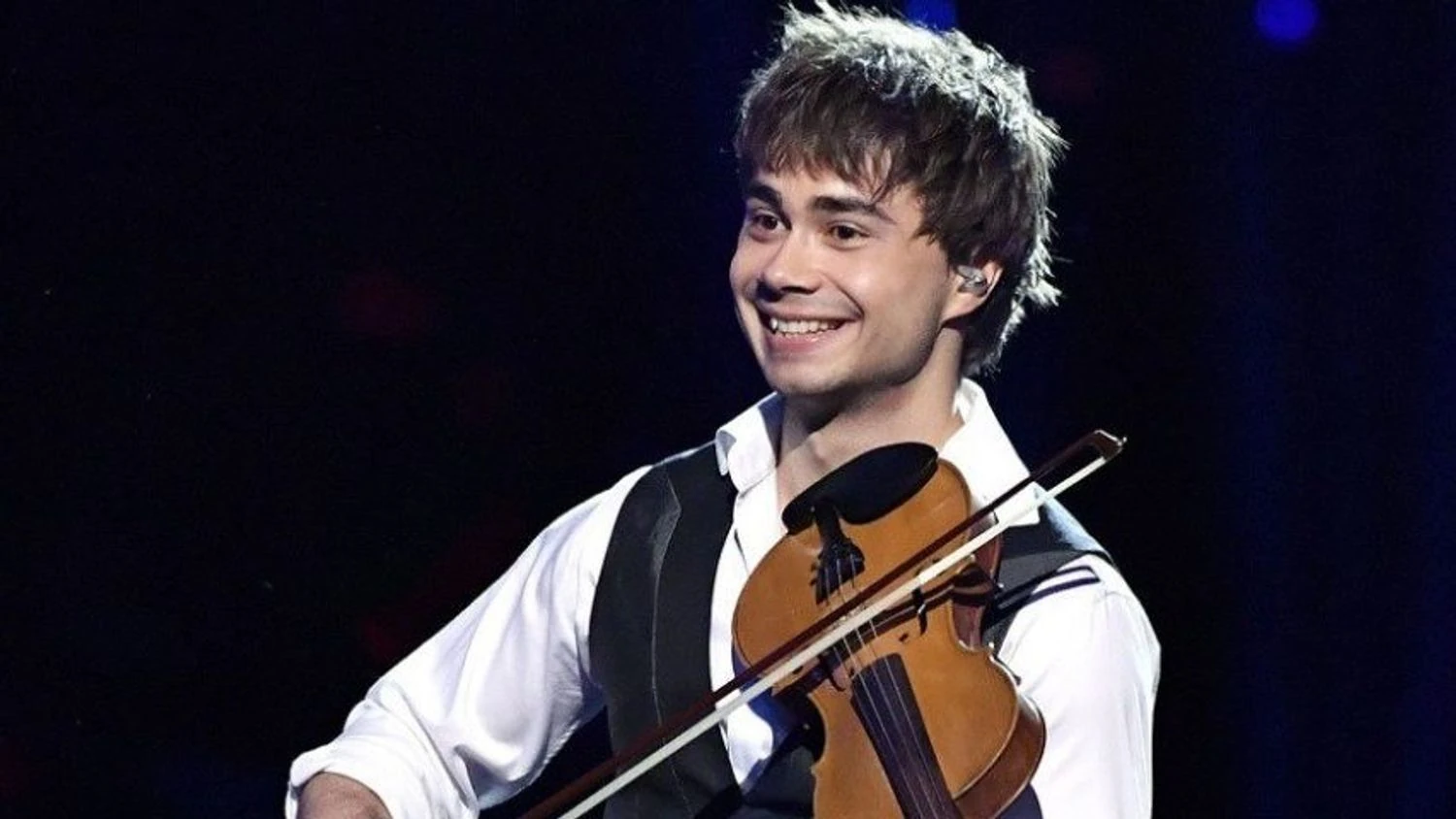
Alexander Rybak, the Norwegian singer and violinist, has officially become a participant in the national selection for Eurovision with the song «Rise», reports UNN. Rybak already won in 2009 with «Fairytale» and returned to the contest in 2018, then placing 15th.
What is notable about the new song
«Rise» is marked by violin motifs — a gesture that immediately links the track to the style that brought Rybak his popularity. It's a strategy that often works for artists returning to the contest: combining recognizability with a contemporary presentation.
"Rybak's return is not only nostalgia; it's a test of how relevant classical instruments and musical craftsmanship remain in a format where stage, visuals and voting decide."
— Music analyst, specialist in the contest industry
Context and significance
Rybak held the record for total points for a long time, but after the voting system changed in 2016, comparing results became less accurate. At the same time, his live performances have hundreds of millions of views — one of the recordings has gathered over 120 million views, which indicates sustained public interest.
Does «Rise» have a chance of success?
Formally it's simple: the first test is victory in the Norwegian selection. Next comes stage visualization, competitors and voting trends. A popular performer's return brings ratings and attention, but does not guarantee victory: the song, the staging, and the emotional resonance with the audience are all important.
What this means for the Ukrainian viewer
For Ukrainian Eurovision fans, such returns are a reminder of the contest's role as a platform for cultural competition and a diplomatic impulse. Contests like Eurovision shape perceptions of countries and artists beyond the national market — therefore any strong comeback automatically increases media attention and discussion.
The result will be known after the final of the Norwegian selection. If «Rise» wins — we'll see how a classical instrument and a name with history will work on Europe's contemporary airwaves.