Oscar 2026 in Ukraine: Suspilne Kultura to broadcast the ceremony in Ukrainian and in sign language — what it means
The night of March 15–16 is not just a broadcast of the awards: the broadcaster ensures accessibility, bolsters Ukrainian presence on the world stage, and retains exclusive rights through 2028. We break it down.
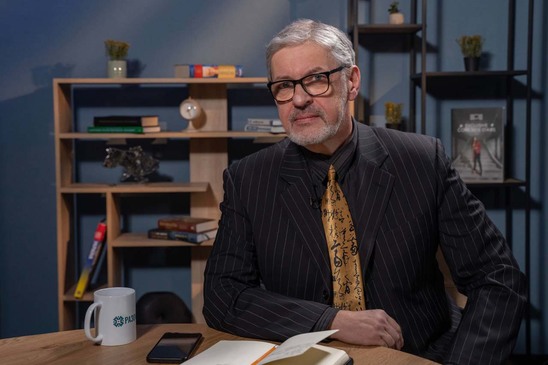
By Oleg Bazylewicz
March 6, 2026 · 2 min read
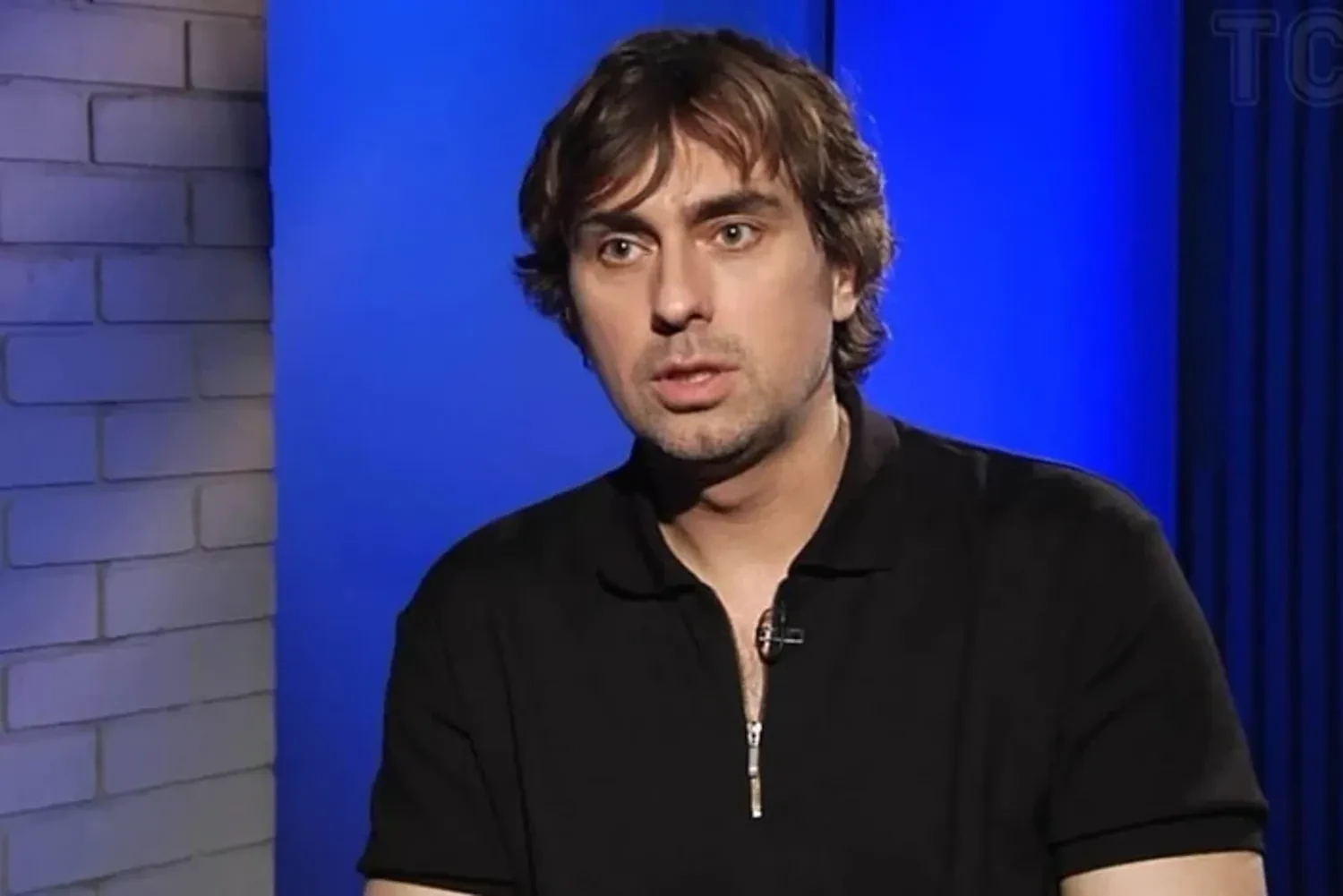
Brief and to the Point
On the night of March 15–16 the channel Suspilne Kultura will air a live broadcast of the Oscar awards ceremony. The event will be commented on by actor and director Oleksiy Hnatkovskyi, and simultaneous interpretation will be provided by Yurii Mazur and Liudmyla Dyachenko. The information is reported by UNN citing Suspilne Kultura.
"Suspilne Kultura will air the live broadcast of the 'Oscar' ceremony in Ukraine."
— Suspilne Kultura, statement/source
Schedule and Accessibility
The pre-show will begin at 23:00. At 00:30 — a live transmission from the red carpet; the ceremony itself starts at 01:00. For viewers with hearing impairments the broadcast will be available with simultaneous sign language interpretation, provided by Anfisa Khudashova and Lada Sokoliuk.
Exclusivity and Long-term Impact
The channel holds exclusive rights to broadcast the Oscars in Ukraine until 2028. This means not only annual broadcasts, but also the ability to develop its own pre- and post-show formats, strengthening local contexts and engaging the Ukrainian audience with international film culture.
What about the films and nominations
The film that received the most nominations this year is «Грішники» — 16 nominations, breaking long-standing records. Meanwhile, the documentary by Ukrainian director Mstyslav Chernov — «2000 метрів до Андріївки» (2000 Meters to Andriyivka) — did not make this year's list of nominees. In the documentary category one of the nominees is the film «Пан Ніхто проти путіна» (Mr. Nobody Against Putin), which addresses the issue of the authorities' influence on shaping public opinion.
Context for Ukraine
First, a live broadcast in Ukrainian and with sign language is a matter of access and audience dignity. Second, long-term rights give Suspilne an instrument to promote Ukrainian topics and professional commentary formats in years when the attention of the international audience is particularly important. Third, even when a Ukrainian film does not make the nominations, the presence of themes related to the war and its consequences in international competitions keeps our story in the spotlight.
"The channel holds exclusive rights to broadcast the 'Oscar' awards in Ukraine until 2028 — therefore this broadcaster will also air the anniversary, one-hundredth ceremony."
— Suspilne Kultura, statement/source
What’s Next
This is not just entertainment programming. For the viewer — convenient access to an international cultural product. For the industry — a chance to consolidate attention around Ukrainian cinema and stimulate support for directors, documentary filmmakers and distributors. The question now is for the audience and for state and private institutions: will interest be converted into financial and organizational support that will allow our creators to be represented not only in discussions, but also on lists of nominees and winners?
Details of the broadcast and the program are on the Suspilne website; pre-show host — Oleksiy Hnatkovskyi; ceremony host — Conan O'Brien (Emmy winner).