Ahn Sung-ki dies — "the nation's actor" who defined the face of South Korean cinema
Ahn Sung-ki died at 74 after a long battle with blood cancer. Over a 60-year career he set a record at the Grand Bell Awards and left a legacy that influences national culture — a reason to pause and reassess the artist’s role in the global cultural sphere.

By Tetiana Suchkova-Ladik
January 5, 2026 · 1 min read
Briefly
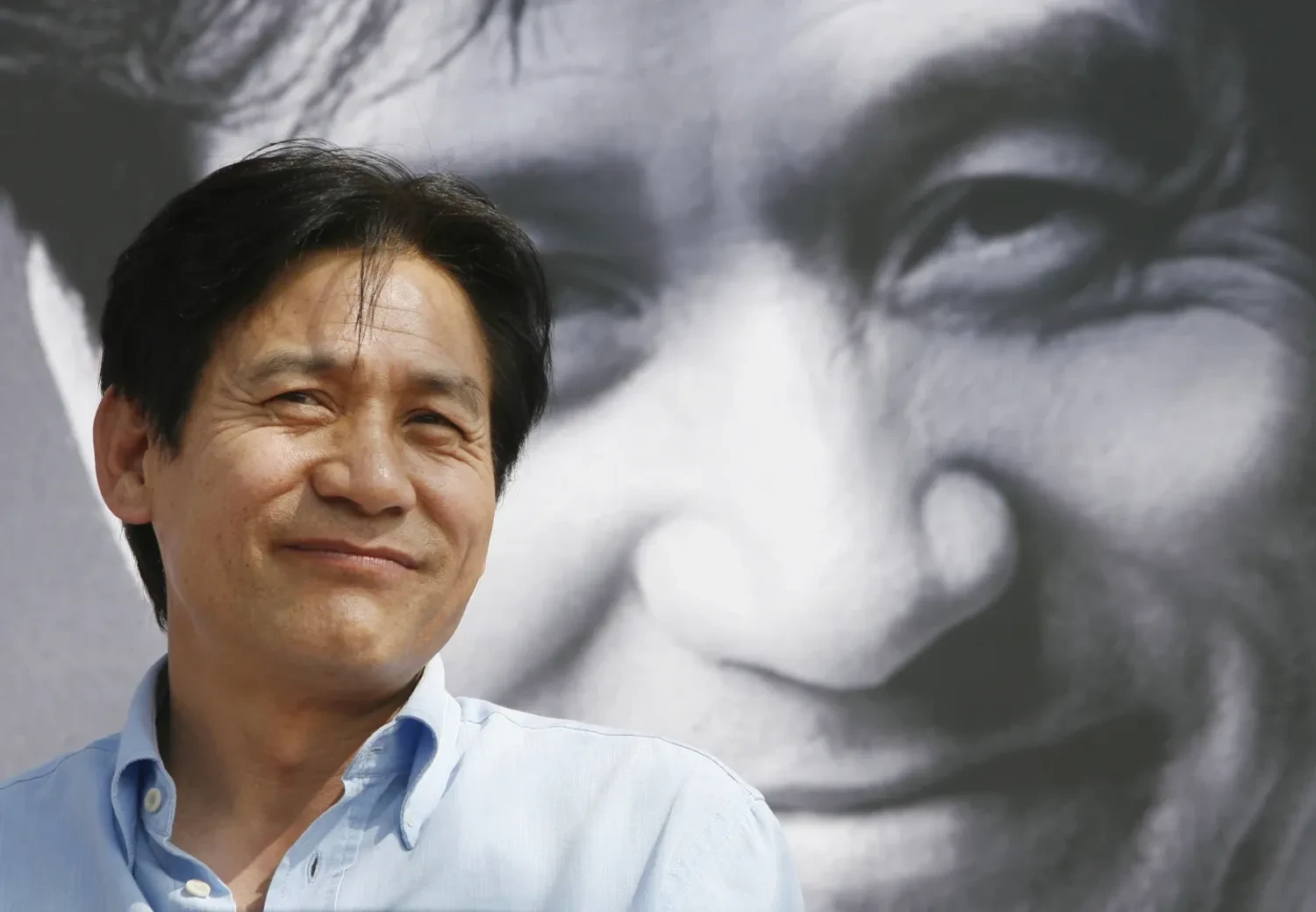
Ahn Sung-ki died on January 5 at a Seoul hospital at the age of 74 after a years-long battle with blood cancer, AP and UNN report. For South Korea he was more than an actor — a symbol of professionalism and steadiness in the film industry.
"Ahn Sung-ki died on January 5 at a Seoul hospital after a years-long battle with blood cancer."
— AP / UNN
Career and achievements
Over more than 60 years in the profession, Ahn Sung-ki won the Grand Bell award five times — a record for South Korean actors. He earned the status of "Actor of the Nation" thanks to a steady professional reputation, avoidance of scandal, and an image as a reliable public figure who regularly topped popularity rankings.
Why it matters
The death of Ahn Sung-ki is a reminder of the role cultural authorities play in shaping national identity. At a time when soft power is becoming an important state resource, the loss of such a symbol raises the question: how to preserve and pass on the cultural fabric to the next generations of artists and audiences.
Memory and legacy
For the film community his example is a lesson in discipline and long-term dedication to the craft. The film establishment in South Korea loses a key figure, but gains an opportunity to reassess its institutions: archiving films, promoting classics, and supporting new directors and actors who will shape the face of national cinema going forward.
In closing
The loss of artists is always multidimensional: it is both a personal tragedy and a cultural turning point. Now the question for professional communities and cultural institutions is how to turn the memory of Ahn Sung-ki into lasting benefit for cinema and society. For Ukraine, this is also an occasion to look at how countries build and preserve their cultural identity in the global media space.