Perry Bamonte (The Cure) dies: a missing link in the band's sound and a memory in the Hall of Fame
The guitarist and keyboardist for The Cure, a member of the band since 1990, died over Christmas — we examine the mark he left on music and what this loss means for the group's legacy.

By Tetiana Suchkova-Ladik
December 27, 2025 · 2 min read
What happened and why it matters
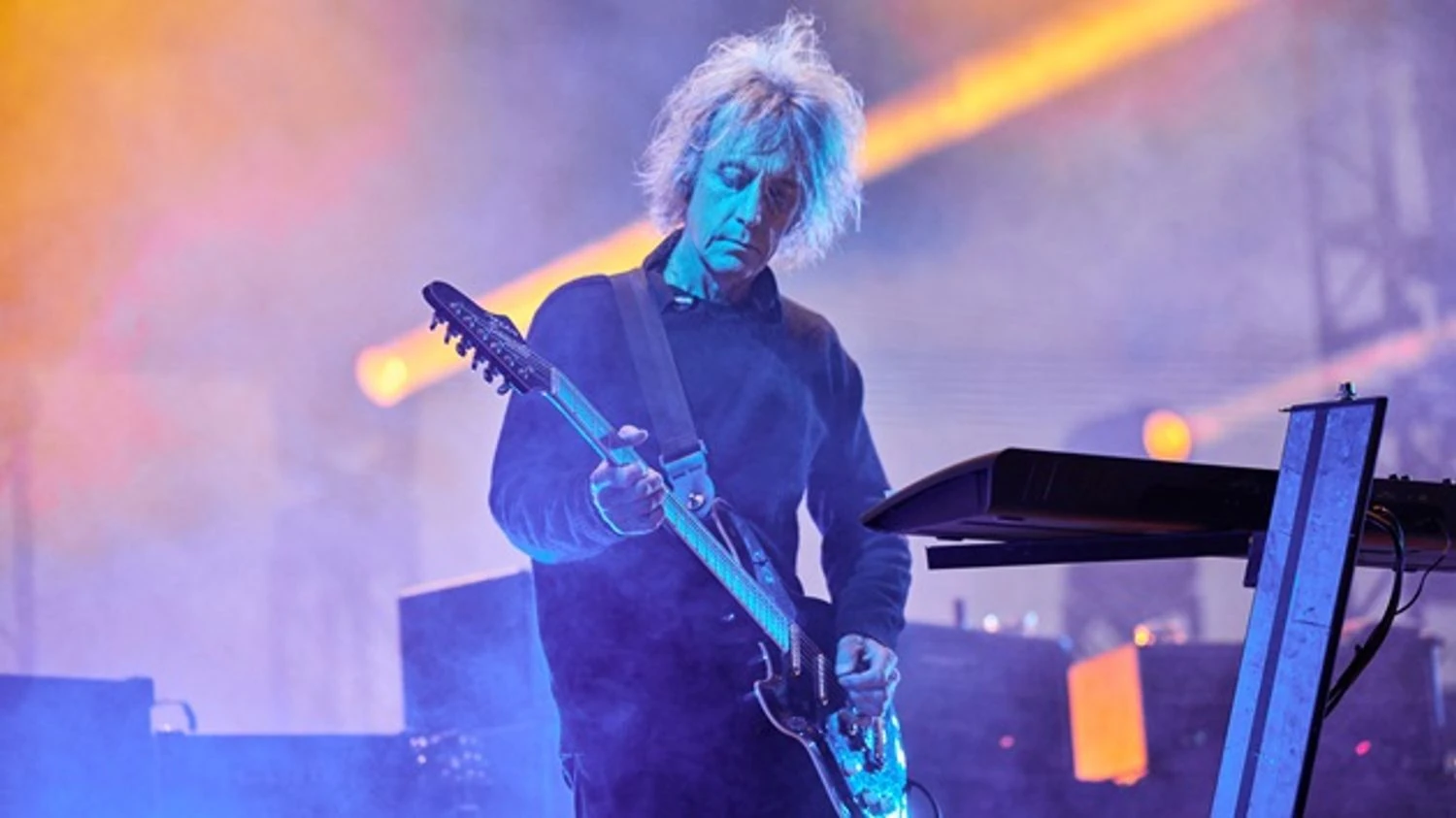
Perry Bamonte — guitarist and keyboardist of the British band The Cure — has died at the age of 65–66. The musician's death is confirmed by the band's official website and ABC News. The news resonates beyond fans; Bamonte was part of an era that helped shape the sound of the alternative scene at the end of the 20th and beginning of the 21st century.
The facts: career and role in the band
According to the band and ABC News, Bamonte joined The Cure in 1990 when Roger O'Donnell temporarily left the lineup. He played guitar, six‑string bass and keyboards, and over 14 years performed more than 400 concerts. In 2005 Robert Smith decided to let him go, but Bamonte returned to the group: in 2022 he played about 90 concerts, and his last performance took place on 1 November 2024 in London at an event dedicated to the release of the album "Songs of a Lost World".
"With deep sadness we confirm the death of our wonderful friend and bandmate Perry Bamonte, who died after a short illness at home over Christmas. Quiet, intense, intuitive, tireless and incredibly creative, 'Teddy' was kind‑hearted and a significant figure in The Cure's history."
— The Cure official website
Legacy: Hall of Fame, recordings, influence
In 2019 Bamonte, along with other band members, was inducted into the Rock and Roll Hall of Fame — a testament to The Cure's influence on global culture. His contribution was not only in specific riffs or keyboard parts, but in how the band transformed post‑punk and gothic tones into music that reached a wide audience.
Context for the reader
For Ukrainian listeners seeking support in the world of cultural resilience, this loss is a reminder of how important the memory of artists is: their recordings, concerts and the revival of archives form the cultural backbone that supports societies in difficult times. Music industry analysts expect that after this news interest will grow in reissues, tributes and documentary materials.
Summary
Perry Bamonte leaves a concrete mark: live shows, a recorded history and recognition in the Hall of Fame. It is a reminder that musical legacy lives on through archives, reinterpretation and new generations of listeners. Will the current surge of attention turn into lasting projects that preserve his contribution for future generations? The answer depends on the industry, colleagues and fans.