Robert Duvall dies at 95 — a legacy that speaks to cinema and conflict
A legendary actor, whose on-screen voice shaped perceptions of war, power and moral dilemmas, has died at 95. We examine why his legacy matters not only to cinema but also to those who fight for truth in the information space.

By Tetiana Suchkova-Ladik
February 16, 2026 · 2 min read
Briefly
Robert Duvall, an Oscar winner and one of the most recognizable figures in American cinema, has died at 95. According to CNN, which cites a statement from his PR agency, the actor died "peacefully" at his home in Middleburg, Virginia. The statement, sent on behalf of his wife Luciana, also said there will be no formal service and the family asks that his memory be honored by watching a film, telling a good story at the table, or taking a walk in the countryside.
Key roles and awards
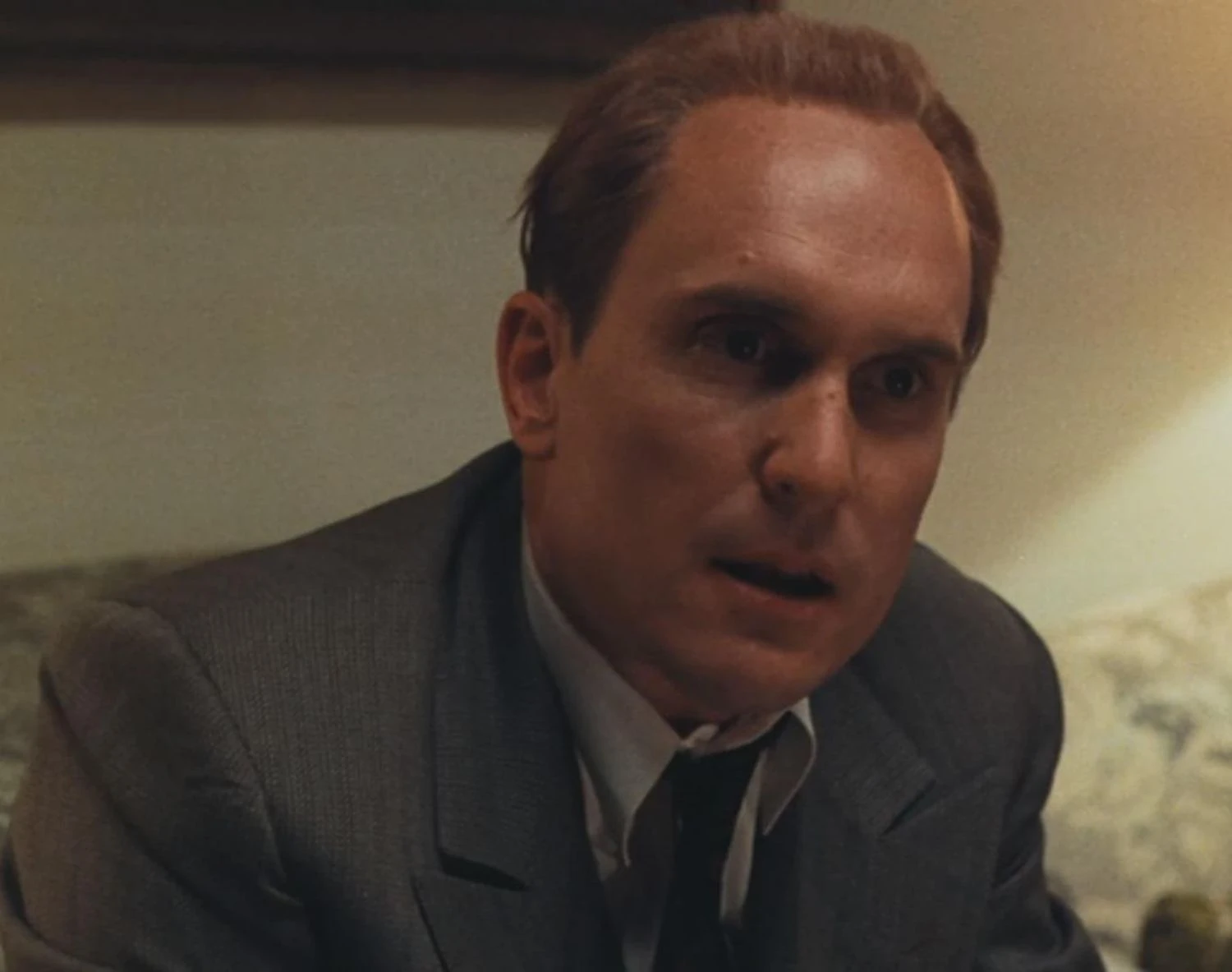
Duvall became famous as a master of character roles — from the Corleone family concierge in "The Godfather" to Lieutenant Colonel Kilgore in "Apocalypse Now." He won an Oscar for Best Actor for the film "Tender Mercies" (1983) and received several other Academy Award nominations — his name stands among the most prominent actors of his generation.
Beyond acting, Duvall tried his hand at directing and screenwriting: the film "The Apostle" (1997), which he wrote, directed and starred in, is a notable attempt at artistic control over themes of faith and morality. Even into the 2010s he remained active: in 2014 he received another Oscar nomination for his role in the film "The Judge".
"He died peacefully at his home, and the family asks that his memory be honored by watching a film, telling a story at the table, or going out into the countryside."
— PR agency, statement on behalf of his wife Luciana
"Everyone did it for the money."
— Robert Duvall, in an interview with Bob Costas (about refusing to take part in the third "The Godfather")
Why this matters
Duvall's roles often explored complex moral dilemmas and the consequences of violence. In films about war and its aftermath (such as "Apocalypse Now") he became one of the voices shaping public understanding of conflict — not through grandstanding, but through detail and plausibility. This matters for Ukraine as well: in times of informational and cultural struggle, high-quality artistic images influence perceptions of war, a society's ability to critically interpret conflict, and its capacity to preserve humanity.
Legacy and conclusion
Robert Duvall leaves behind a legacy of acting precision and artistic courage — from roles as "tough guys" to non-manipulative examinations of human nature. His example shows how art can be a tool for understanding complex realities. For those working on Ukraine's reconstruction and cultural sovereignty, it is a reminder: strong stories and truthful images are one element of a nation's resilience.
Sources: CNN (via UNN), archival interviews and Robert Duvall's filmography.