Brigitte Bardot Dies at 91: From Film Icon to Voice for Animal Protection
The Brigitte Bardot Foundation announced on December 28 the death of the actress who became a symbol of the 1950s–60s and later an activist for animal rights. Why her passing matters for European culture and animal protection movements — briefly and analytically.

By Tetiana Suchkova-Ladik
December 28, 2025 · 1 min read
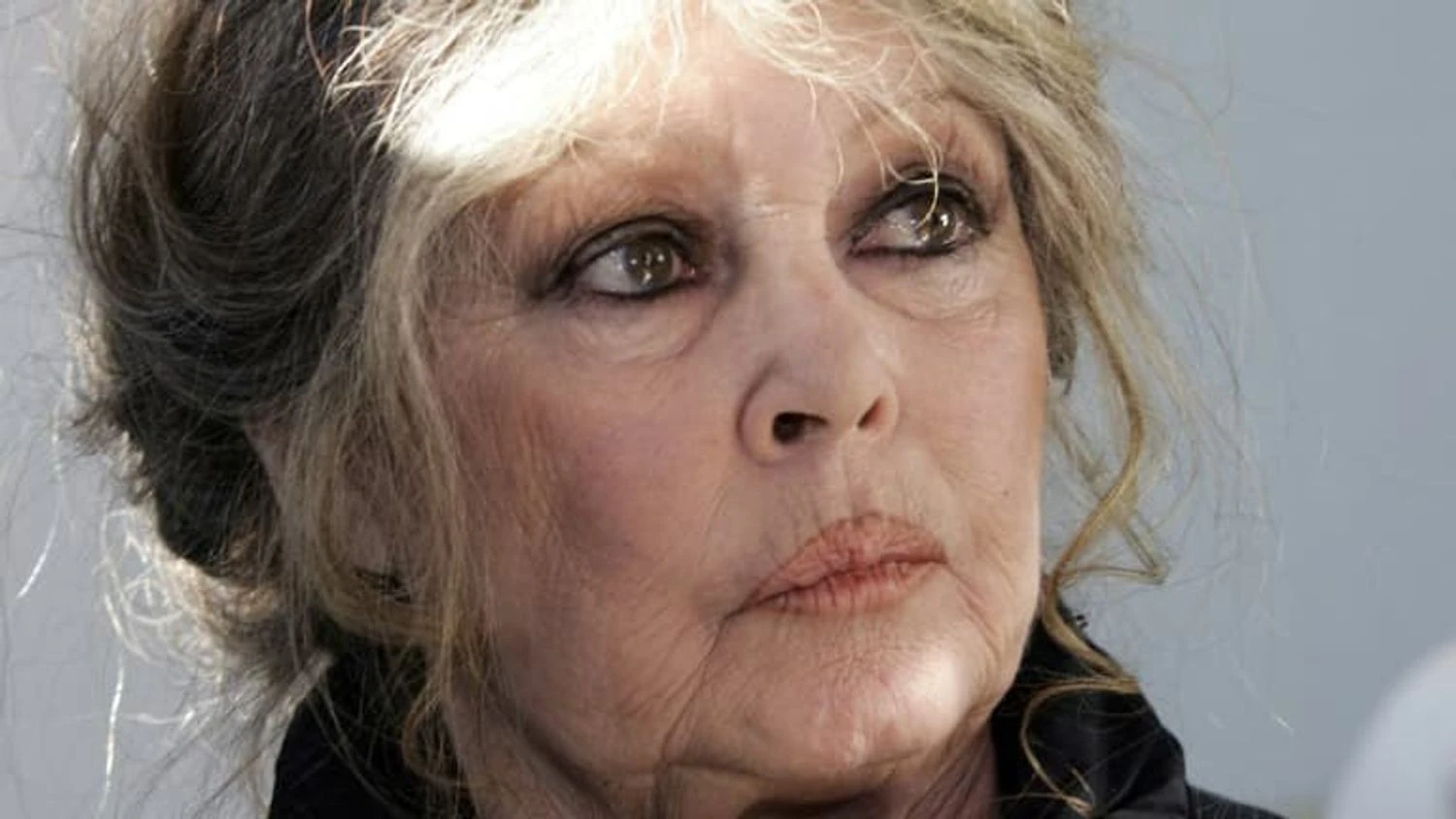
Brigitte Bardot died at 91: a legacy from film to foundation
The Brigitte Bardot Foundation published a statement on December 28 saying the film star died at the age of 91. The information was also reported by BFMTV and UNN.
Brigitte Anne-Marie Bardot was born in Paris on September 28, 1934. Over an approximately 21-year career she appeared in roughly fifty films, worked as a photomodel, was a performer and made musical recordings. Among her best-known works are "And God Created Woman," "The Truth" and "Contempt." She also received a British Academy (BAFTA) nomination for the film "Viva Maria!". In the 1970s Bardot sharply changed the direction of her public activity and founded the Fondation Brigitte Bardot, dedicated to the protection of animals.
"Film star Brigitte Bardot has died at the age of 91."
— Fondation Brigitte Bardot (Brigitte Bardot Foundation)
Bardot's transformation from film star to activist is an example of how public standing can be channeled into social influence. Film critics and cultural historians evaluate her role in shaping the aesthetics and gender images of postwar Europe, and view the work of her foundation as a significant contribution to the international animal rights movement.
For Ukraine, which is now defending not only its territory but also its cultural identity, the passing of such figures is a reminder of the importance of preserving memory and the institutions that support culture and civic engagement. Bardot's example also resonates with Ukrainian animal protection activists: her path demonstrates how media recognition can be converted into long-term public capital.
Summary: a figure who combined cinematic influence and a civic stance has died. Now the question is not only biographical — how societies will preserve and use this experience in their own cultural policies and in the protection of animal rights.