Prosecutor’s Office Returns More Than 7,000 Archaeological Artifacts to the State
The Office of the Prosecutor General has transferred to the National Museum of the History of Ukraine the largest collection since independence — more than 7,000 archaeological artifacts, numismatic pieces and weapons valued at millions of dollars; some of the exhibits are already on display.
By Oleg Bazylewicz
December 2, 2025 · 2 min read
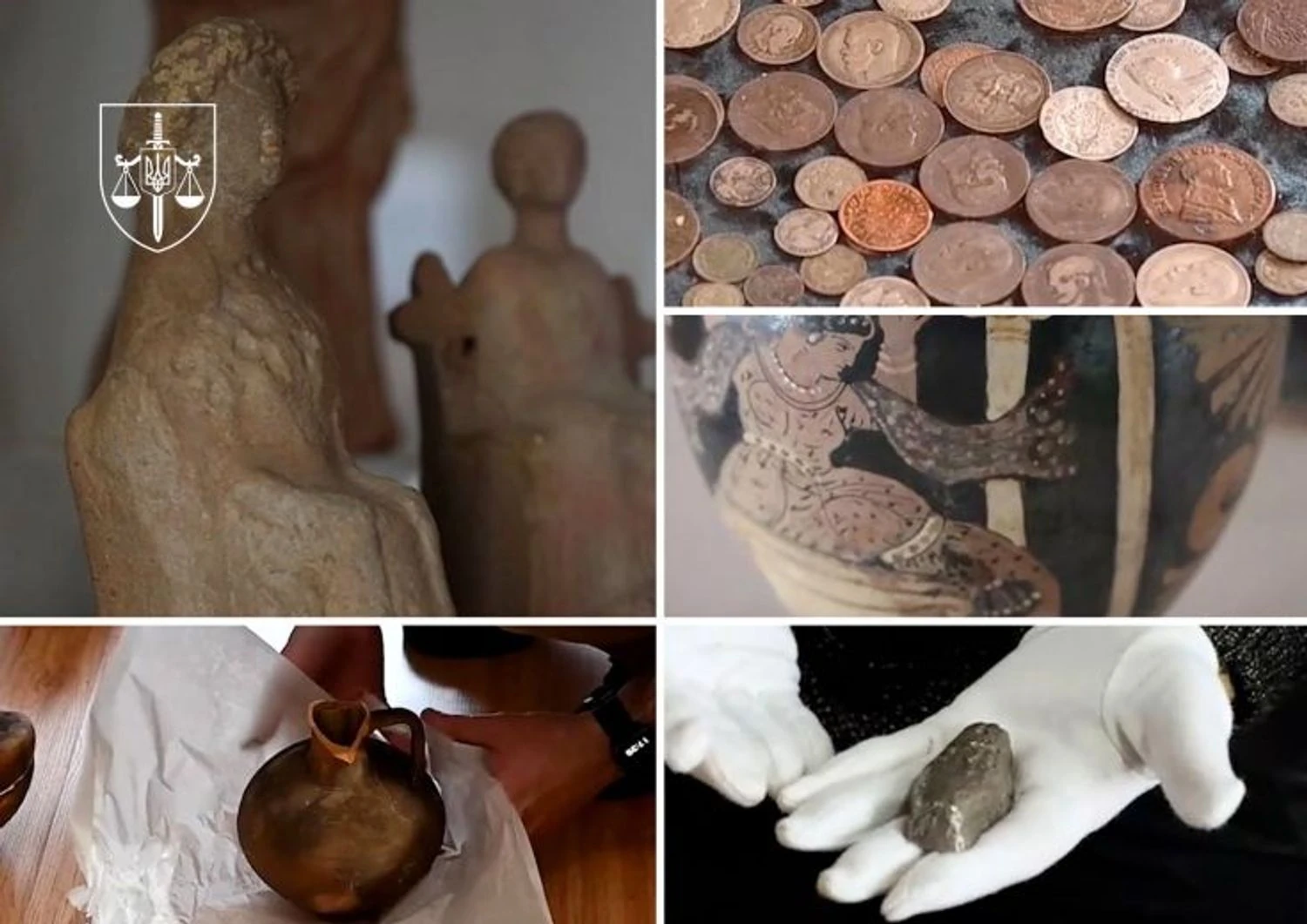
The Office of the Prosecutor General handed over to the state more than seven thousand artifacts seized during investigative actions in a case concerning the illegal storage of cultural valuables. The collection is valued at millions of dollars and has been transferred to the National Museum of the History of Ukraine.
Under the procedural supervision of prosecutors, one of the largest proceedings related to the illegal accumulation of cultural heritage items has been completed
– Office of the Prosecutor General
Transfer of the archaeological collection to the state
The handed-over exhibits include archaeological finds, numismatic series and various types of weapons. The museum received its largest addition to its holdings since the country's independence.
Some of the items are already on display in the National Museum of the History of Ukraine — visitors can view them.
Description of artifacts and the investigation
- more than 5,000 ancient coins: coinage of Crimean city-states, Byzantium, the Kievan Rus' period and the Golden Horde;
- ancient Greek pottery and glass vessels several millennia old;
- weapons of Scythian, Byzantine, Scandinavian and Near Eastern origin, among which is the only Byzantine sword in Ukraine;
- ancient helmets, chain mail, jewelry and household items;
- a rare collection of firearms.
During searches, some of the finds were discovered in an attic and in an electrical switchboard room. The actions were investigated in proceedings against the former head of the Council of Ministers of the Autonomous Republic of Crimea (ARC); the investigation believes that he illegally stored items purchased from so-called "black archaeologists."
Certain artifacts were hidden in premises not intended for storage and were discovered during investigative actions in the proceedings concerning the former head of the Council of Ministers of the ARC, who, according to the investigation, accumulated items from illegal excavations
– Office of the Prosecutor General
The suspect entered into a plea agreement and handed over to the state the entire archaeological collection, including items that were not initially seized during investigative actions.
Some of the transferred items are unique for Ukrainian museum collections and have no direct equivalents in national holdings, so their return strengthens the protection of cultural heritage.