Opulence, Piratecore and Cloud Dancer: 5 Fashion Trends for 2026 and What They Mean for Ukraine
Five key trends — from voluminous skirts to chunky eyewear — will shape demand and open opportunities for Ukrainian brands, manufacturers and artisans. We explore why this matters right now.

By Tetiana Suchkova-Ladik
December 31, 2025 · 2 min read
Fashion 2026: why these trends are worth knowing
The trends of 2026 are not just about aesthetics. They shape supply chains, demand for materials and brand positioning for export. Given the restructuring of global markets and changes in logistics, the Ukrainian industry has a real chance to turn trends into economic gain.
1. Opulence and voluminous silhouettes
The main visual focus of the season is voluminous skirts and silhouettes that concentrate mass at the bottom paired with a minimalist top. This distribution allows a combination of expression and practicality: large forms are easy to pair with basics, which makes the trend accessible to the mass market and craft producers.
2. Historical references — piratecore
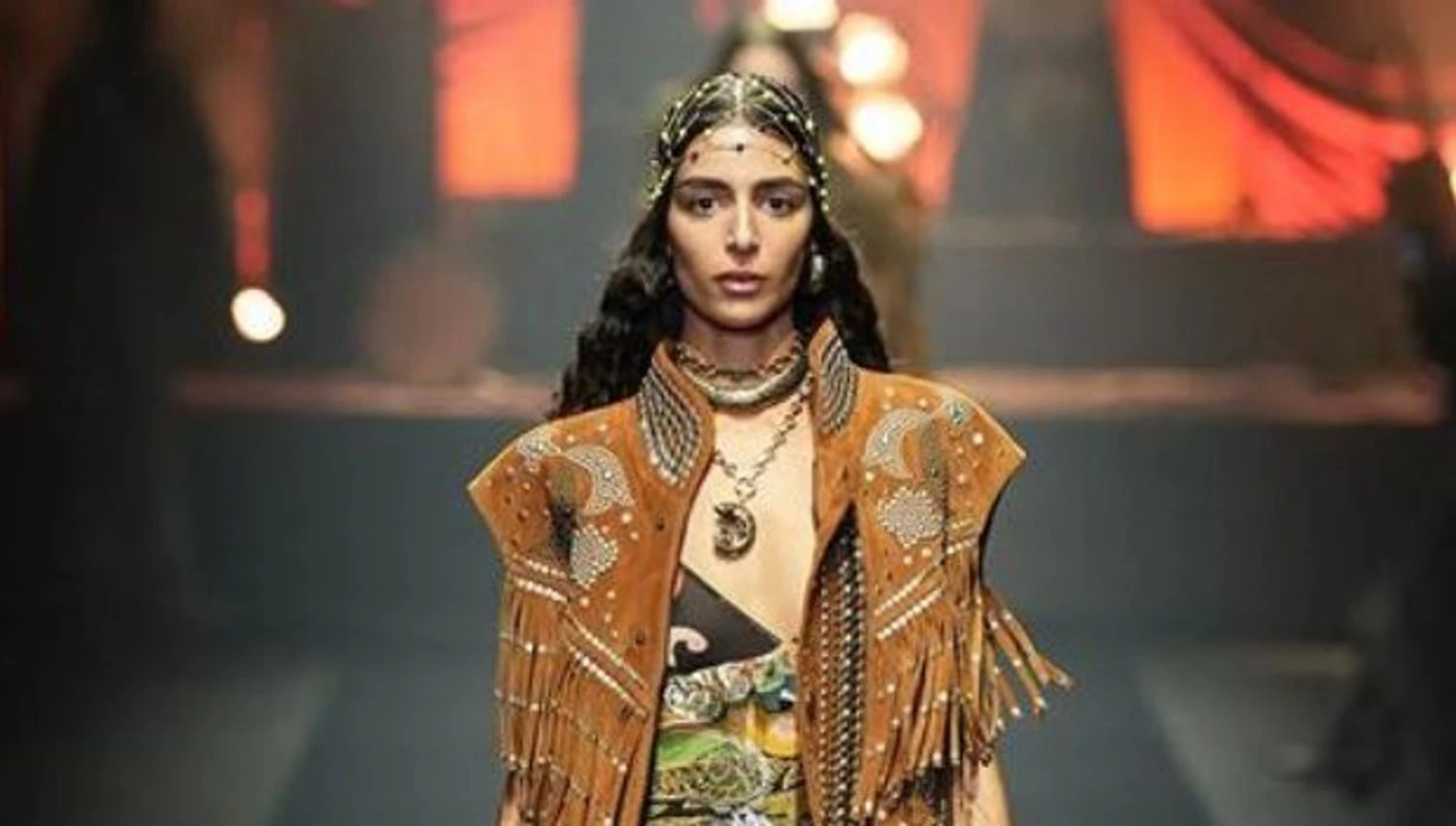
A rethinking of historical motifs, notably the piratecore, gives designers material for dramatic forms and textures. It’s an opportunity for Ukrainian tailors and re-enactors to use traditional techniques and interpret them in a contemporary way — from hardware to embellishment.
3. Massive jewelry as the focal point
In 2026, chunky, irregular and asymmetrical jewelry becomes not an accessory but the centerpiece of a look. Materials range from organic to metallic, opening a niche for Ukrainian jewelers and costume-jewelry makers. Pairing these pieces with basic garments makes accessories accessible to a wide audience.
4. Transparency and lightness — a summer contrast
In the warm season, transparent fabrics and combinations of semi-transparent layers will be trendy. This stimulates the development of lightweight texture technologies and interesting work with color — from soft pastels to bright transparent contrasts.
5. Sunglasses and denim
Sunglasses return to large, bold shapes — chunky lenses and unusual frames. At the same time, denim remains a staple: classic, dark blue, white and black variants will continue to dominate, complementing other trends with texture.
"Cloud Dancer — the color of 2026, emphasizing the desire for space and purity of form"
— Pantone Color Institute
Colors of the season
Pantone named white “Cloud Dancer” the key color of the year, but designers are simultaneously experimenting with the full palette: orange/tangerine, sky blue, candy pink, lime and light gray. For winter — chocolate, deep violet and red.
What this means for Ukraine
The 2026 trends create practical opportunities: retooling sewing workshops for voluminous silhouettes, developing local production of jewelry and sunglasses, and promoting denim as an export commodity. Ukrainian brands can offer the world a unique combination of craftsmanship and contemporary design, especially if they focus on quality and sustainability.
Brief conclusion
These trends are an opportunity for both the industry and the consumer: bold shapes and large accessories allow the expression of individuality, while also creating space for the development of Ukrainian manufacturers. The next step is to transform interest on the shelves into stable demand and export contracts.