Satoshi in the National Selection: Moldovan artist sang in Kyiv and publicly supported Ukraine — a sign of regional solidarity
In high diplomacy, it's not loud statements but simple gestures that matter. The appearance of Moldova's representative at the national selection final is not only a musical headliner but also a message of solidarity ahead of Eurovision in Vienna.
By Oleg Bazylewicz
February 8, 2026 · 1 min read
Guest appearance and key message
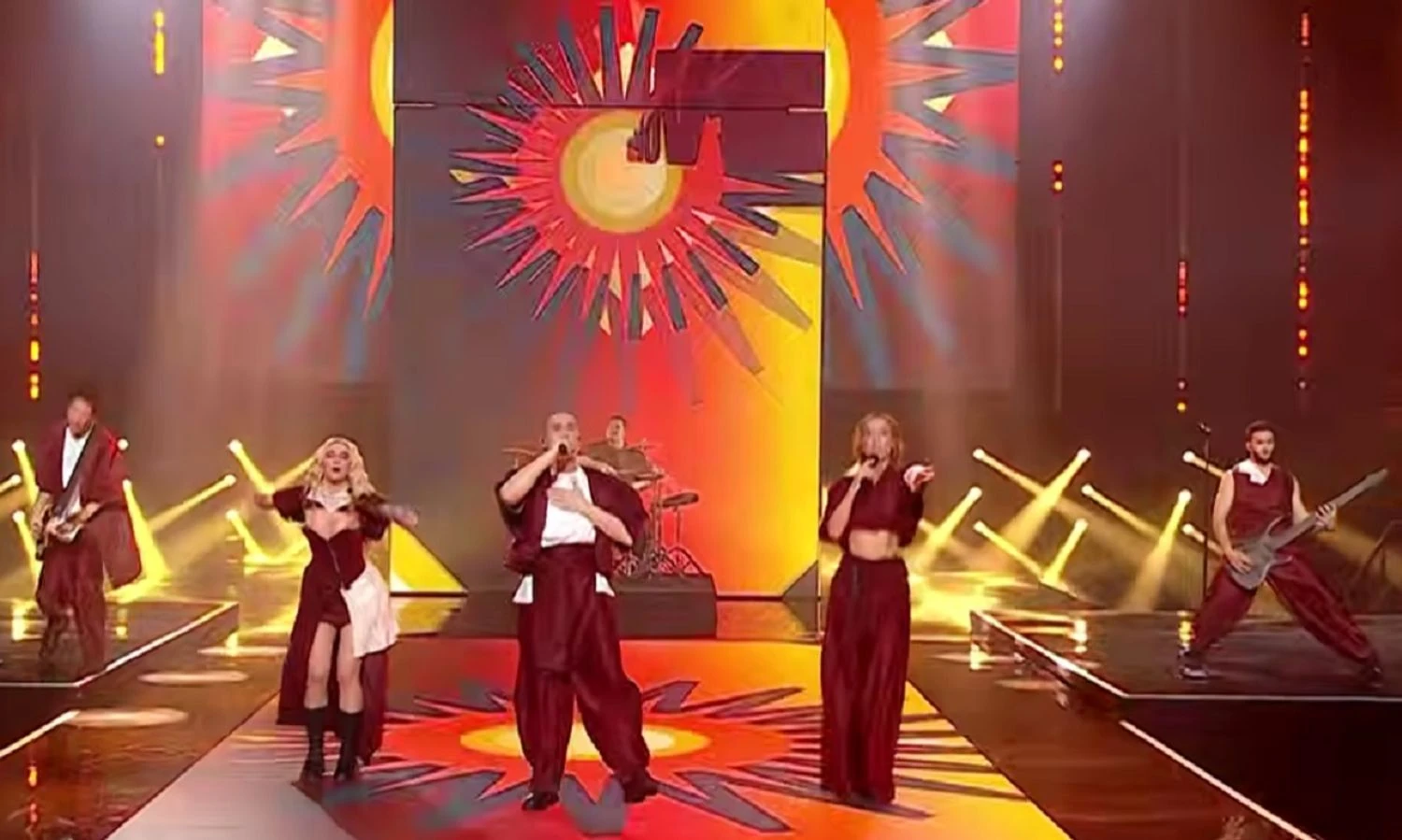
The final of the national selection for Eurovision 2026 in Kyiv drew attention not only because of the victory of Leleka, but also thanks to an international guest — Moldova's representative at the contest, singer Satoshi. The artist performed the song Viva, Moldova!, with which he will represent Moldova on the international stage in Vienna, UNN reports.
At the end of his performance Satoshi shouted words of support for Ukraine and assured that Moldova has always been and will be a good friend and neighbor to Ukrainians. For the Ukrainian national selection this is a notable moment — participants from other countries have not appeared on stage during the final for the past six years.
"Moldova has always been and will be a good friend and neighbor to Ukrainians."
— Satoshi, Moldova's representative at Eurovision
Why this matters
At first glance — an episode of cultural exchange. On the other — an element of soft power and neighborly support that operates outside traditional diplomacy: public gestures by artists shape the emotional backdrop and reinforce a sense of solidarity in the region. According to UNN, this is the first time in six years that such public support has appeared at the national selection, which gives it symbolic weight.
Context and what's next
The selection winner, Leleka, received maximum points from judges and viewers — this means that the attention of the international audience, including guests of the contest, is now focused on Ukraine. Similar gestures from neighbors strengthen Ukraine's cultural presence on the European stage and create additional channels for reaffirming friendly relations between the countries.
Whether such episodes will become a lasting practice of cultural interaction and how much they will influence the broader political dialogue is a question to watch. For now, it's a reminder: culture can be a quiet but effective form of solidarity.