Sony Reboots "Charlie's Angels" with Pete K'iarelli — a Test of Nostalgia and Studio Strategy
Sony is launching a new adaptation of a cult franchise with the author of "Crazy Rich Asians." Why this matters not only for Hollywood, but also as a signal for creative markets, including Ukraine's.

By Tetiana Suchkova-Ladik
February 15, 2026 · 2 min read
Sony Pictures has officially begun development on a new film in the "Charlie's Angels" franchise and has brought Pete Chiarelli onto the screenplay team. This is not just another remake — it’s a studio decision that signals a bet on proven brands while simultaneously seeking a new balance between humor, dynamism, and contemporary audiences.
"The studio Sony Pictures has begun work on a new film adaptation of the cult franchise 'Charlie's Angels'..."
— The Hollywood Reporter (via UNN)
Legacy and lessons from the past
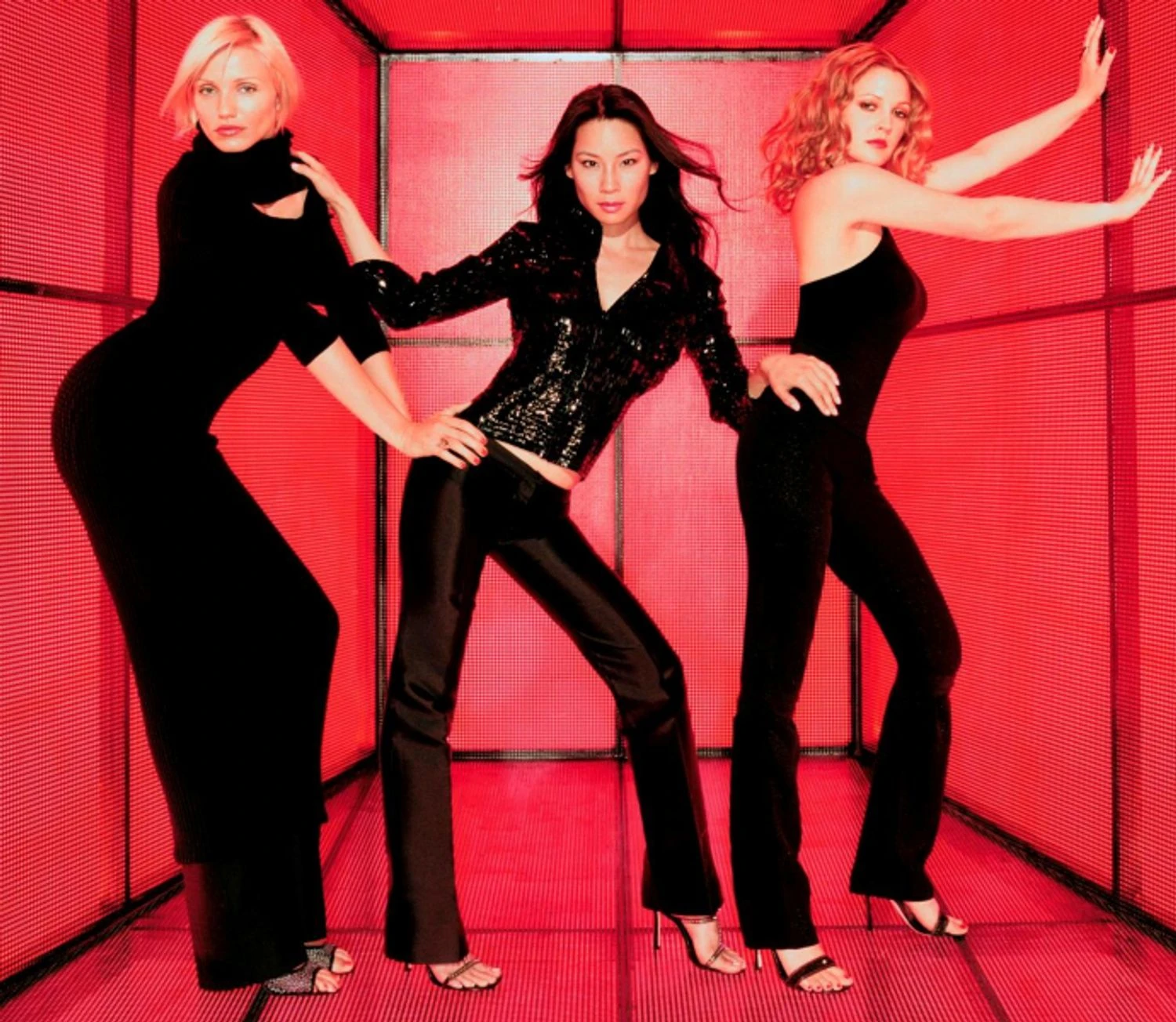
The original ABC series (1976–1981) embedded the image of strong, independent women into popular culture, and the early-2000s duo of films starring Drew Barrymore, Cameron Diaz, and Lucy Liu brought the franchise roughly half a billion dollars at the global box office. However, attempts to relaunch the franchise in the 2010s and 2019 showed that modern viewers have become more demanding about form, and each new iteration must justify not only nostalgia but also expectations regarding plot depth and tone.
Why Chiarelli's selection is significant
Pete Chiarelli has experience working on major studio projects and crafting charismatic characters ("The Proposal," "Crazy Rich Asians"). His involvement signals a desire to find a balance between commercial potential and screenplay quality, avoiding the mistakes of the 2019 version, which failed to engage a broad audience.
Possible return of Barrymore and the producer logic
Insiders mention the likely return of Drew Barrymore and her company Flower Films to lead the project. For the studio, this is an obvious move: bringing back a creative figure associated with the franchise’s success is a way to restore audience trust and manage the brand more carefully.
What this means for the Ukrainian industry
Even if there is no direct Ukrainian involvement at the moment, the trend matters: major studios are once again making premium bets on aligning brand identity with contemporary taste. This is a useful indicator for Ukrainian producers and creative teams — attention to screenwriting craft, the ability to combine local color with the global language of cinema, and readiness for international collaboration can become advantages in the coming years, as market demand shifts toward content with a recognizable but updated narrative.
In short: Sony is trying to revive the franchise by combining Pete Chiarelli’s experience with nostalgic associations. For viewers, this is a chance to get a more balanced version of a classic; for the industry, it’s another signal that a strong script and thoughtful producing strategy remain key assets.
Now the ball is in the studio’s court: will this formula be enough to turn expectations into a successful release, and what opportunities will this wave open for international partnerships — questions we will wait to see answered during development and casting.