"A Symbol of Our Future Victory": How Ukraine's Embassy in Qatar Became a Powerful Magnet for Cultural Diplomacy
Distant Qatar has become an outpost of Ukrainian identity and cultural diplomacy in the Arab world. The Embassy of Ukraine has been transformed into a genuine "Ukrainian House," bringing together more than 300 active citizens. In wartime, the embassy not only defends the country's interests but also conducts an active information war, conveying the truth about Ukraine to hundreds of millions of Al Jazeera viewers.

By Tetiana Suchkova-Ladik
December 16, 2025 · 2 min read
Center of Resilience: from Motor Sich to the "Ukrainian Svitlytsia"
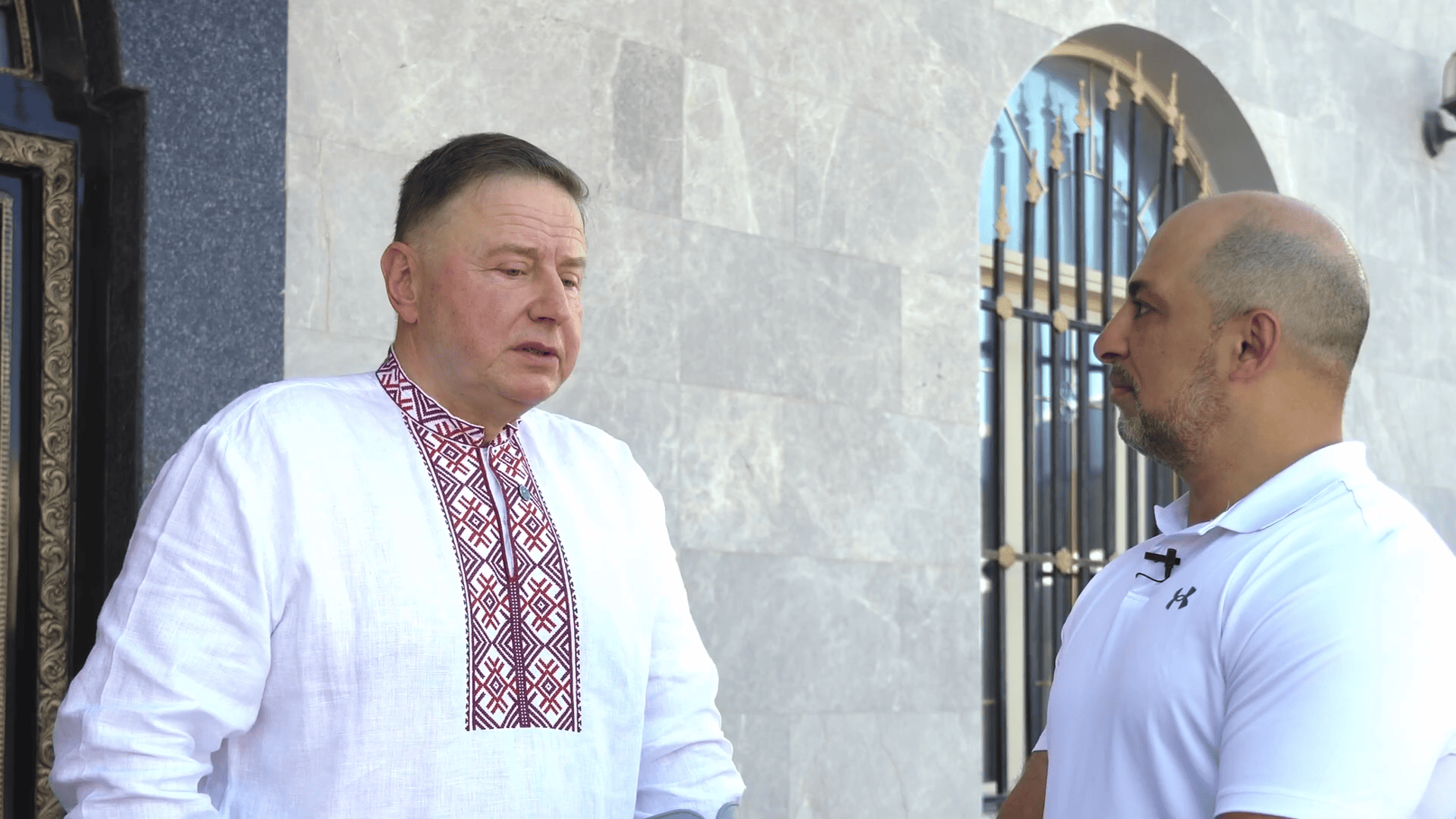
The Ukrainian embassy in Qatar is not just a diplomatic mission but a living focal point for the entire Ukrainian community, which numbers 1,453 people. Ambassador Andriy Kuzymenko emphasizes that the core of politically and socially active Ukrainians comprises more than 300 people who regularly attend events and support the embassy's Ukrainian children's learning club.
The symbolic space of the embassy speaks for itself. Visitors are greeted by the Coat of Arms of Ukraine, made from metal taken from the blades of jet engines manufactured by the Motor Sich plant — a powerful artifact that links Ukrainian history with the present military-industrial reality.
A large map of Ukraine is displayed in the embassy's lobby. When our compatriots come here, they always stop at it, find their hometown. It is both a symbol of our indivisibility and a symbol of our territorial integrity, and, if you will, a symbol of our future victory, because that is how Ukraine will be after victory.
The Power of Culture: Petrykivka alongside "Ornek"
The heart of the embassy — the Ukrainian Svitlytsia. Created on rented blank walls, it has become a "Ukrainian home" where visitors feel the energy of the Motherland. This is achieved through folk art objects:
- Petrykivka-painted items (UNESCO intangible cultural heritage).
- Ceramics from Opishnia.
- Crimean Tatar traditional pieces with the Ornek ornament, which clearly demonstrate: Crimea is Ukraine.
Particular attention is drawn to drawings by Ukrainian children depicting self-portraits and themselves as Cossacks. This is the direct, uncensored voice of our nation, speaking about the future these children will create.
Information Outpost: appearing on "Al Jazeera"
Diplomatic work in the Arab world carries particular significance, since, as Ambassador Kuzymenko notes, Ukraine still remains for many a "great mystery." That is why the role of embassies today is to reveal Ukrainian culture and history as fully as possible. Before the war, Ukrainian cities had already begun rapidly winning the hearts of Arab tourists and investors, but the full-scale invasion changed everything.
Ukrainian diplomacy has shifted to an active information presence. Ambassador Andriy Kuzymenko has personally given online interviews in prime time on "Al Jazeera" several times. This channel reaches 200–300 million viewers, making it a key platform for shaping opinions in the Arabic-speaking world.
Context: It is not just appearances. The embassy actively cooperates with "Al Jazeera," providing technical and visa assistance to their crews who come to Ukraine. This active work on the international media stage is critically important because it helps ensure that the truth about Ukraine dominates the information space of the Arab and Islamic world.