Soviet symbols removed from Borys Paton monument in Kyiv — the rector demands an investigation
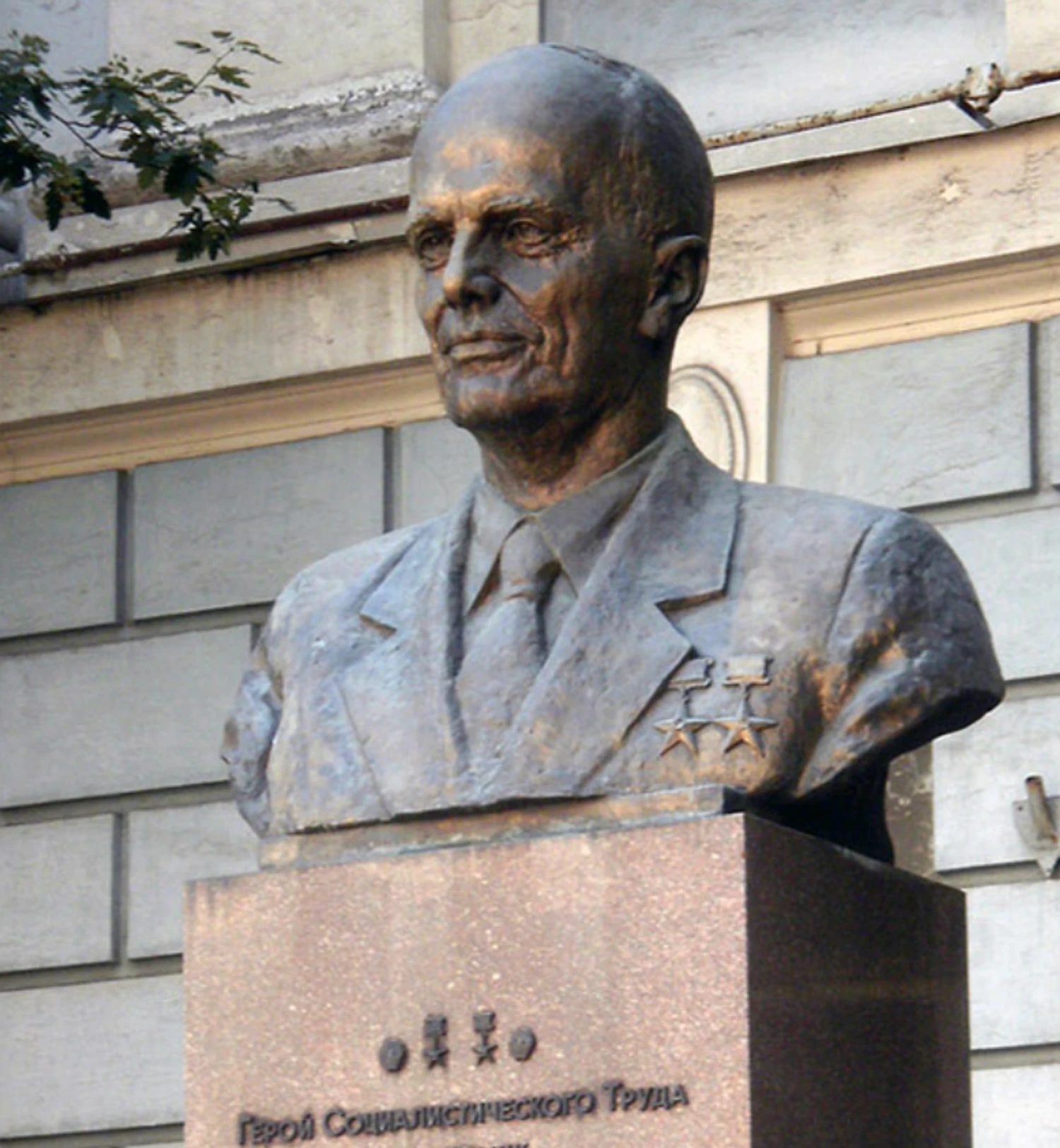
Unknown individuals knocked Soviet emblems and Russian-language inscriptions off the pedestal of Paton in central Kyiv. This is not only an act of vandalism — it is a challenge to the institutions responsible for the city's memory and security.

By Tetiana Suchkova-Ladik
March 3, 2026 · 2 min read
What happened
In the center of Kyiv, unknown individuals removed Soviet symbols and Russian-language inscriptions from the pedestal of the monument to the prominent scientist Borys Paton. The information was released by the rector of the National Music Academy, Maksym Tymoshenko; UNN reports.
As an honorary citizen of the city of Kyiv, I demand decisive action from the Kyiv City Council, Mayor Vitali Klitschko, Head of the Military Administration Tymur Tkachenko, and the National Police regarding the vandalism of the monument to the prominent Ukrainian scientist, member of the Club of Rome, Hero of Ukraine, honorary citizen of Kyiv Borys Paton.
— Maksym Tymoshenko, rector of the National Music Academy
Details
According to available information, the inscription "Герой социалистического труда" and two medals "Героя соціалістичної праці" were removed from the stele. The monument is located on Bohdan Khmelnytsky Street. It is currently unknown who is behind this act and what the motives are — law enforcement must establish the circumstances.
Why this matters
This incident concerns more than just fencing or aesthetics: it is about public memory and about how society decides to relate to difficult pages of history. In wartime, such symbolic actions take on additional meaning — they can heighten tensions or become a prompt for dialogue about restoration and labeling of historical objects.
Reaction and steps by authorities
The rector demands an urgent investigation and that those responsible be held accountable, addressing the city and military administrations and the National Police. The institutions' response will determine whether the incident remains an isolated act of vandalism or whether it will have further consequences.
International context
At the same time, in Novi Sad, Serbia, graffiti insulting the Ukrainian ambassador Oleksandr Lytvynenko appeared — this happened the day after the Taras Shevchenko monument was damaged. Such incidents show that the issue of security for Ukrainian symbols and representatives goes beyond borders and requires a measured diplomatic and law enforcement response.
Conclusion
The act against the Paton monument is a test of institutions' readiness to protect cultural heritage and manage public discourse in a difficult time. Whether the capital's services will be able to quickly identify the perpetrators, restore the damage, and establish protection for other monuments is a question that not only scholars and the intelligentsia, but also the broader public, await answers to.