UNESCO places 19 Ukrainian heritage sites under enhanced protection
On December 4, the UNESCO Committee supported Ukraine's proposal and added 19 sites to the International List of Cultural Property under Enhanced Protection. The total number of Ukrainian monuments on the list has increased to 46, the minister of culture reported.

By Tetiana Suchkova-Ladik
December 5, 2025 · 2 min read
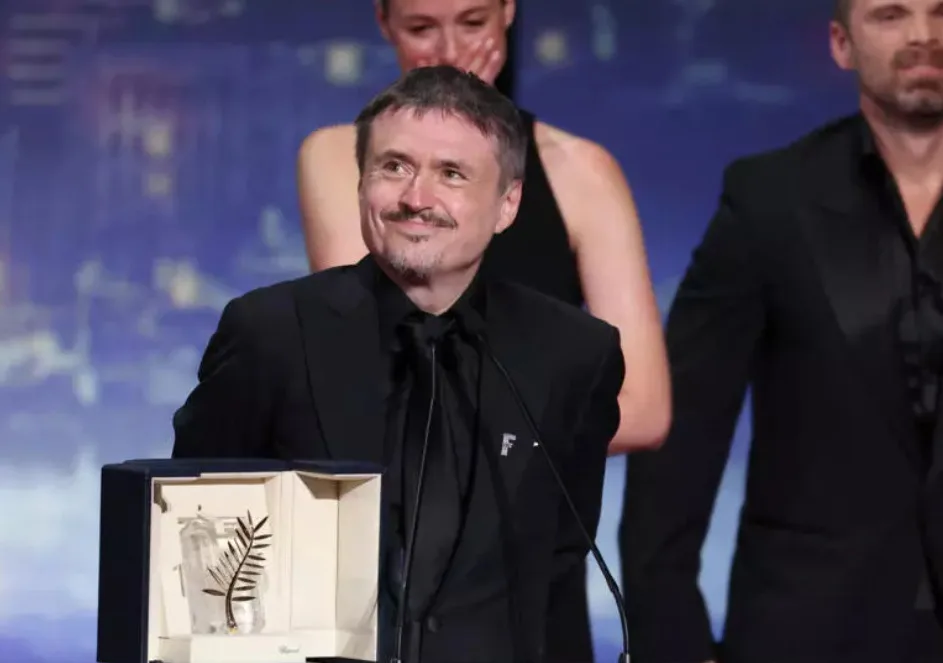
On December 4 the UNESCO Committee for the Protection of Cultural Property in the Event of Armed Conflict supported Ukraine’s application and decided to include a further 19 Ukrainian cultural heritage sites in the International List under Enhanced Protection. The information was announced by the Vice Prime Minister for Humanitarian Policy, Minister of Culture Tetiana Berezhna.
Decision of the UNESCO Committee
This places Ukraine among the countries with the largest number of monuments that have received the highest international protection; we will continue to expand the list and strengthen the legal mechanisms for their safeguarding
– Tetiana Berezhna, Vice Prime Minister for Humanitarian Policy, Minister of Culture of Ukraine
According to the ministry’s announcement, following this decision the total number of Ukrainian sites on the list under Enhanced Protection has reached 46.
List of added sites
- Akkerman Fortress, Bilhorod-Dnistrovskyi, Odesa region
- Assumption Cathedral, Kharkiv
- Borys and Hlib Cathedral, Chernihiv
- Kharkiv Academic Ukrainian Drama Theatre named after Taras Shevchenko, Kharkiv
- Kirche building (St. Paul’s Church), Odesa
- L.Ye. Kenig Estate: Palace (Main House), Trostianets, Sumy region
- Movchansky Monastery, Putyvl, Sumy region
- Pokrovska Church, Kharkiv
- Primorsky Stairs, Odesa
- Church of the Resurrection, Sumy
- Kyrylivska Church (St. Cyril’s Church), Kyiv
- Transfiguration Cathedral, Sumy
- Trinity Cathedral, Sumy
- Hillfort of the chronicle city of Iskorosten, Korosten, Zhytomyr region
- Archaeological complex "Bayda Island", Zaporizhzhia
- Odesa Museum of Western and Eastern Art, Odesa
- Odesa National Art Museum, Odesa
- Odesa National Scientific Library, Odesa
- Prykarpattia Art Museum, Ivano-Frankivsk
Criteria and legal status
Enhanced protection is provided for by the Second Protocol to the 1954 Hague Convention. To receive this status a site must meet three main requirements: have exceptional value for humanity; be protected at the national level through appropriate legal and administrative measures; not be used for military purposes and have an official statement from the party controlling the site that it will not be used for military purposes.
Sites under Enhanced Protection enjoy the highest level of protection under the Second Protocol. Violations of their “immunity” are classified as grave breaches of the protocol, which may entail international responsibility for both states and individuals.
It is also noted that Russia was not elected to the composition of several intergovernmental councils and coordinating bodies of UNESCO, in particular programmes related to information, communication development and the "Man and the Biosphere" network.