Valeriya Force teams up with a Grammy winner to create "Open Our Hearts" — what it means for Ukraine at Eurovision 2026
An international team and a Ukrainian idea: why collaboration with a two-time Grammy winner and Jamala's participation could strengthen Ukraine's chances in the national selection and on the international stage.

By Tetiana Suchkova-Ladik
January 27, 2026 · 2 min read
How the song came about and who worked on it
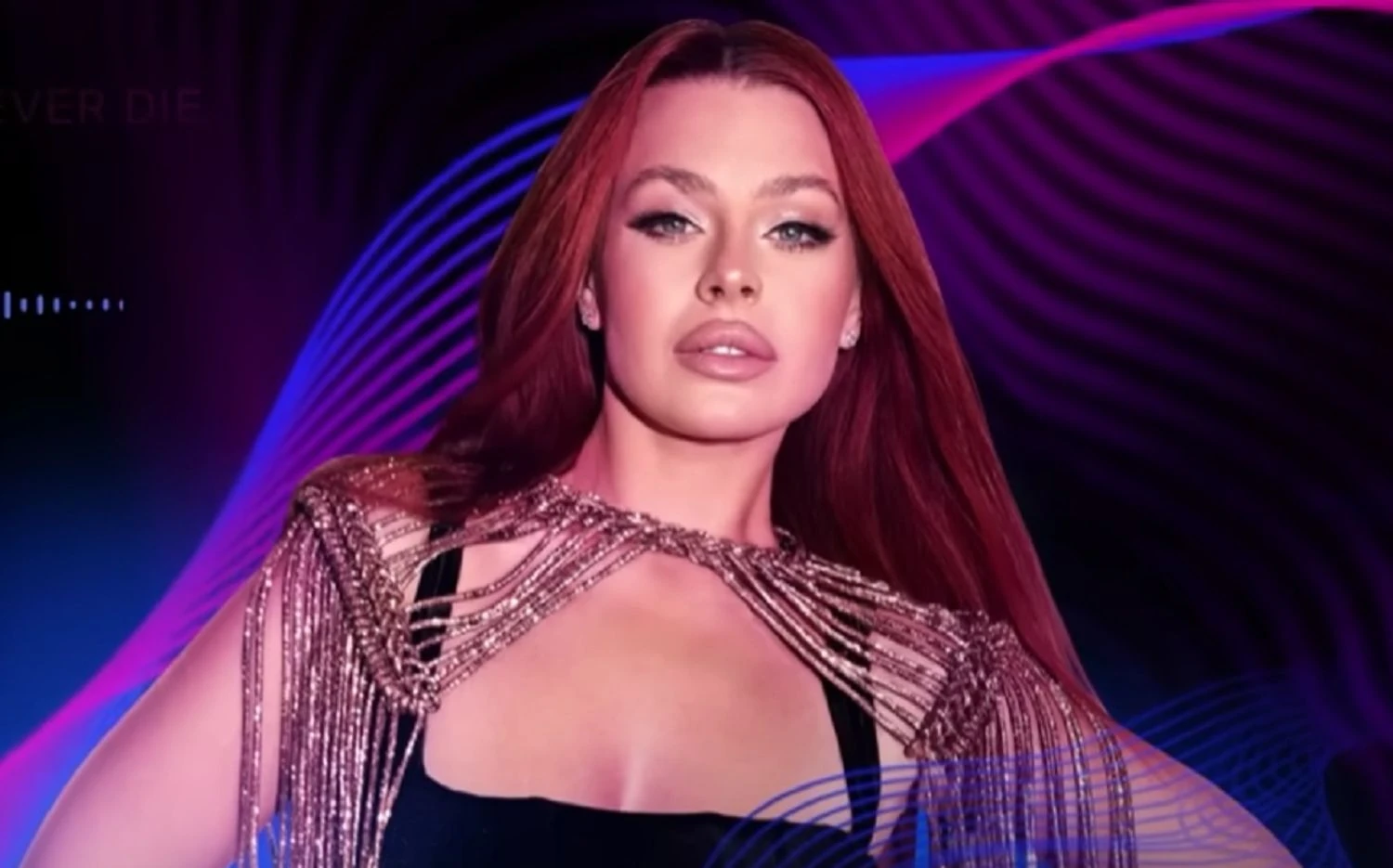
According to UNN and an interview for Radio Promin, Valeriya Force — one of ten participants in the national selection for Eurovision 2026 — spoke about the creation of the composition "Open Our Hearts". The artist recalled that the idea came suddenly while driving: the melody was born as a hummed tune and later was turned into a studio track with the participation of an international team.
Famous sound producer Vinni Venditto, a two-time Grammy Award winner, joined the work on the arrangement; according to the singer, he has collaborated with global stars such as Rihanna and Eminem. The Ukrainian lyrics were partly polished by the singer together with Jamala.
"I was driving when inspiration came to me, and I hummed the track. My mother got into the car and asked, 'Is this a Eurovision song?'. And I realized that yes, it was it. Then I went to the studio and began working with the very famous sound producer Vinni Venditto."
— Valeriya Force, singer
What Jamala changed and what the song is about
Valeriya Force says the leitmotif of the song became the theme of female strength. The phrase "I'm in every woman" came to her immediately and set the concept of the composition. According to her, the melody was not reworked, but the Ukrainian part was made, together with Jamala, "more of a hit" — meaning it was adapted for an international sound while conveying a national message at the same time.
"The phrase 'I'm in every woman' came to me right away. I knew what I would sing about. I knew I wanted to tell about female strength. We didn't rework the melody, but we changed the Ukrainian part together with Jamala. We made it even more of a hit."
— Valeriya Force, singer
Why it matters: cultural diplomacy and competition in the national selection
Collaboration with a producer of this scale gives the track a different level of production — it's not just about the sound, but also a signal to the jury and international audience: Ukraine is working on a global level. Scene experts note that combining a strong narrative (national idea, female strength) with high-quality sound increases the chances of a competitive contest presentation.
The national selection will be hosted by Lesia Nikitiuk and Timur Miroshnychenko, and the preshow will be led by Anna Tulieva — part of a promo framework that helps present the song to viewers and the media.
Conclusion: what's next
An international team plus a Ukrainian message is a strategy that can turn into a real advantage in the competition. The next steps for the artist: a strong stage presentation, promotion in Europe, and consolidation of Ukrainian support on the voting day. For Ukraine, such projects are not just music but soft power that works on the country’s image during the war.
Sources: interview with Valeriya Force for Radio Promin, UNN materials.