From Neon to Understated Strength: How the Styles of Dorofeeva, MONATIK and Tina Karol Became a Language of Civic Expression
Exclusive analysis by stylist Halyna Denysiuk for UNN: why stage wardrobe is no longer just aesthetics and how changes in artists' images reflect the national mood and send signals to partners.

By Tetiana Suchkova-Ladik
March 5, 2026 · 3 min read
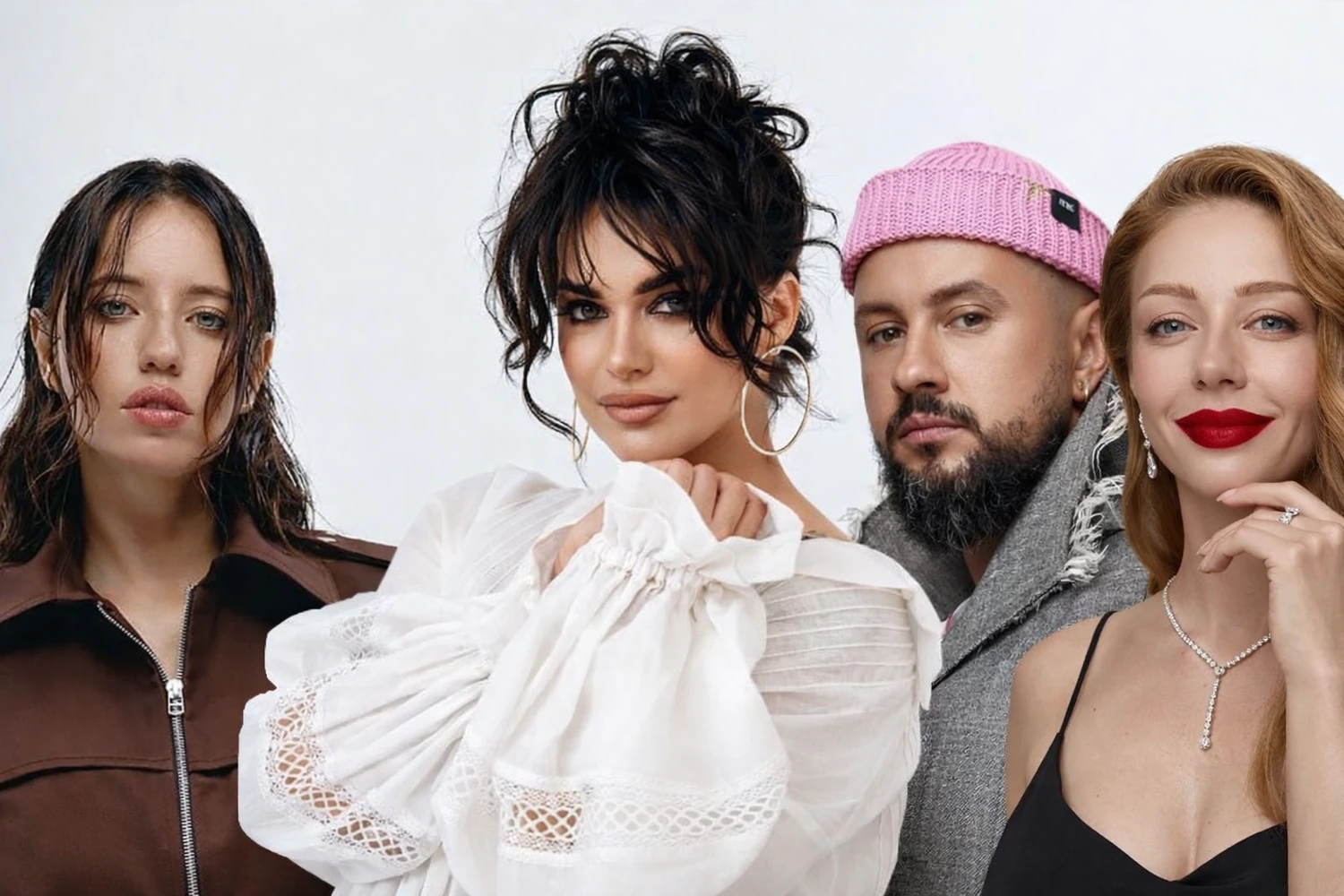
After February 24, 2022 the appearance of Ukrainian stars stopped being just part of the show. In its trends — not fashion for fashion’s sake, but a conscious message: through color, texture and silhouette artists communicate resilience, responsibility and identity. This is the conclusion of stylist Halyna Denysiuk, who in an exclusive comment for UNN analyzed the transformation of the looks of Nadia Dorofeeva, MONATIK and Tina Karol.
Why it matters
The appearance of public figures is not only a cultural marker. It is a tool of soft power: an image builds trust within the country and sends a signal to external audiences. Experts note that during a crisis such changes function as a social indicator — they signal maturity, solidarity and a focus on substance.
Nadia Dorofeeva: maturing through minimalism
Previously — neon shades, open tops and street style. Now — monochrome, strict lines and closed silhouettes. Public appearances now feature elongated sleeves, oversized jackets and natural makeup with emphasis on the eyes instead of bright lips.
Key signs of the transformation:
- monochrome looks (black, cream, gray);
- clear lines and structured silhouettes;
- dense matte textures instead of gloss;
- minimalism in accessories — one accent piece instead of a mass of details.
"There is less teenage playfulness in her style and more internal composure. She seems to have moved from 'cover girl' to a woman who speaks through silence"
— Halyna Denysiuk, stylist
MONATIK: stage sparkle yields to earthiness
Instead of bright suits and elaborate prints — dark, deep shades, concise cuts and layering. Now the artist’s wardrobe is dominated by cashmere, wool and other tactile fabrics that convey a sense of warmth and support.
What this approach changes:
- focus on shapes and textures, not on effect;
- restrained accessories — attention to silhouette, not shine;
- a sense of "a person beside you," rather than a showman out of context.
"Less stage sparkle — more of the person. This is the image of an artist who endures with the country, not hiding behind a costume"
— Halyna Denysiuk, stylist
Tina Karol: the archetype of strength in simplicity
Tina has preserved classic femininity, but her glamour now works as a sign of control and dignity. White and black prevail, minimalist dresses, clear lines and precise makeup. Red lipstick remains, but it has transformed from an element of show into a symbol.
Main markers:
- dominance of basic colors;
- absence of unnecessary decoration — clear silhouettes;
- heightened emphasis on pose and body language as a message.
"Tina today is the image of control and dignity. She hasn't abandoned glamour, but she removed everything superfluous. Her style is the language of restrained strength"
— Halyna Denysiuk, stylist
What this means for culture and business
The transformation of images is a signal for the fashion industry, brands and cultural institutions: demand is growing for local production of quality basics, ethical materials and a restrained aesthetic. For international partners, such images act as a marker of seriousness and stability — this is important for the country's image during the war.
"Fashion during war is not about trends. It's about a state of being. And Dorofeeva, MONATIK and Tina Karol have sensed this moment very precisely"
— Halyna Denysiuk, stylist
Analytical summary: changes in images are not an aesthetic whim, but an element of national communication. They help shape internal solidarity and the external image of Ukraine as a society that preserves dignity and readiness for long-term work. Whether these trends will take hold in post-war life depends on how far the fashion industry and cultural institutions turn symbols into sustainable practices and production.