Behind the Scenes at Al Jazeera: How the Ukrainian Language Resounded Across the Arab World
We continue our series of special reports from Doha. This time we went to where the Middle East’s information policy is shaped — to the Al Jazeera headquarters. It is here, in the simultaneous interpretation booths, that Ukrainian Tarik Sarhan holds the line on the information front.

By Tetiana Suchkova-Ladik
December 20, 2025 · 1 min read
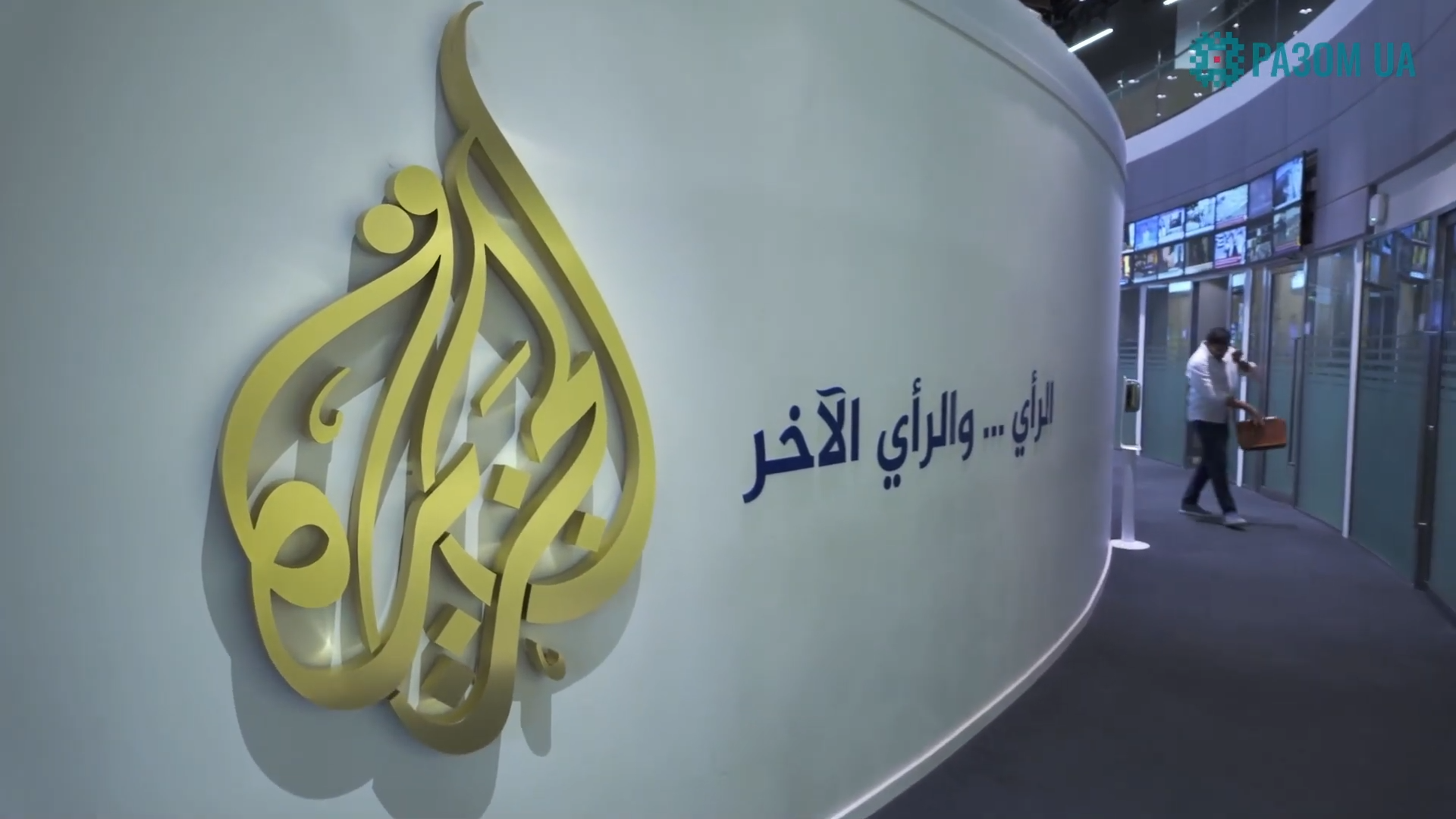
For the Arab world, the war in Ukraine is not just a distant conflict. It is a matter of energy prices, the stability of grain supplies and global security. Al Jazeera has become perhaps the only global media giant that provided direct translation of Ukrainian leaders and experts for a multi-million-strong Arab audience.
Emergency translation of Zelensky and the battle over toponyms
Working live is always an adrenaline rush. Tarik recalls how Volodymyr Zelensky’s first interview for the channel had to be translated and broadcast in just one hour. "This is the place from which the Ukrainian language is heard across the Arab world, albeit in Arabic words," he says, showing his control desk.
However, Tarik’s mission at the channel goes far beyond translation. As an expert and advisor, he has carried out a genuine "decolonization" of the broadcast:
- Correct naming of territories: it was thanks to the persistence of the Ukrainian on air that Al Jazeera began using the correct names of Ukrainian cities — Kharkiv instead of the Russian "Kharkov", Lviv instead of "Lvov".
- Verification of speakers: Tarik helps the editorial team select relevant Ukrainian experts and verifies the authenticity of breaking news.
Parallels of pain: Ukraine and Palestine
In this edition we also touched on the difficult topic of how Ukraine is perceived in the Arab world. Tarik notes that many in the region draw parallels between Russia’s actions and the long-standing occupation of Palestinian territories.
"Russia repeated the pattern of aggressors who felt unpunished for decades. An occupier always acts the same: denies the identity of a people and tries to destroy their state," Tarik says. He stresses the importance of consistent standards in the struggle for justice: the right to defend one’s homeland is universal for all peoples.
"Interest in Ukraine in the East is enormous right now. And our task is not just to translate words, but to explain our meanings, our history and our truth."
— Tarik Sarhan, special for RazomUA