Underground school in Kyiv educating children in the spirit of the "Russian world": Lubinets demands a response from the Ministry of Education, the Prosecutor General’s Office and the SBU
Putting emotions aside — this is not an isolated incident, but a risk of ideological subversion of education and of children's safety. The ombudsman has issued inquiries following an investigative journalism probe and social media posts.

By Tetiana Suchkova-Ladik
January 7, 2026 · 2 min read
What happened
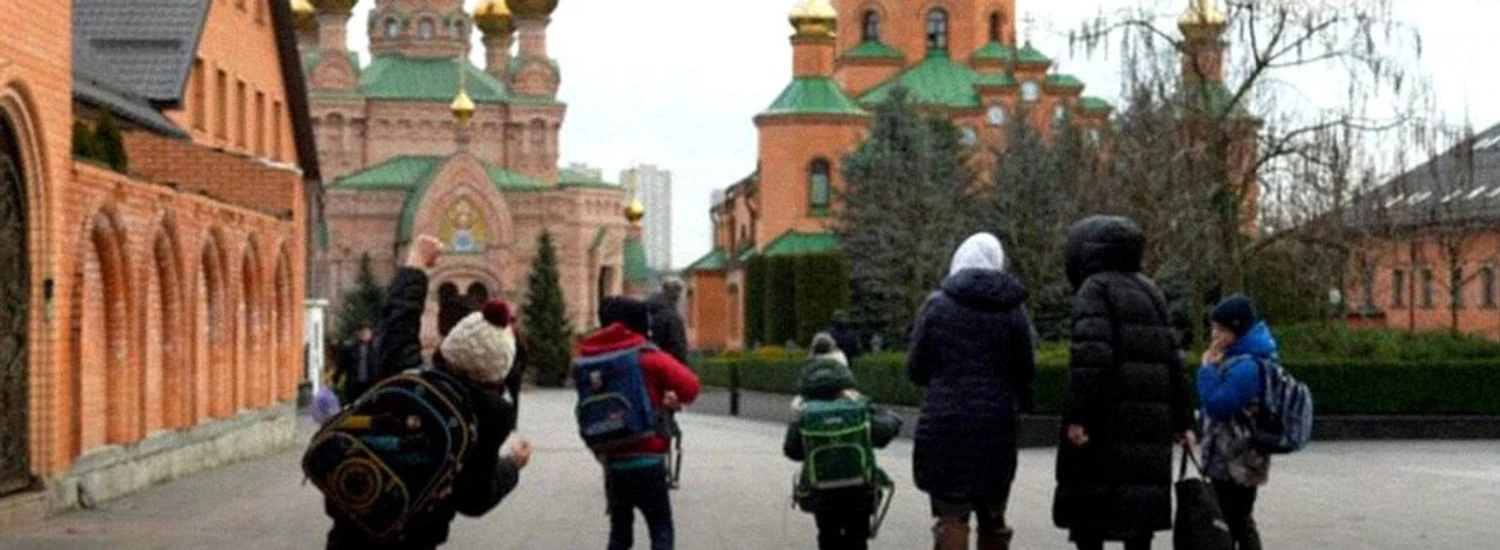
The Verkhovna Rada Commissioner for Human Rights, Dmytro Lubinets, reported the existence of an underground school in Kyiv where children are being taught in the spirit of the "Russian world." The information was published by UNN, citing the ombudsperson's Telegram channel and a journalistic investigation.
After the discovery, Lubinets immediately sent official requests to the Ministry of Education and Science, the Office of the Prosecutor General, and the Security Service of Ukraine, demanding that they verify the facts and take appropriate measures.
"It is unacceptable that this is happening in the capital of the state, where aggression has been ongoing for 12 years, where we clearly understand the enemy's methods and insidious plans. At the same time, the protection of children is an unconditional priority of our state."
— Dmytro Lubinets, Verkhovna Rada Commissioner for Human Rights
Why it matters
Ideological preparation of children is not only a moral issue. Manipulation of children's minds has long-term consequences for social cohesion, civic security, and the strategic resilience of society. In the twelfth year of full-scale aggression, even isolated propaganda cells can become a focal point for the restoration of hostile influence.
Human rights organizations and specialists in child psychology have repeatedly stressed: early ideological indoctrination harms the development of critical thinking and undermines a child's ability to independently choose a worldview.
What authorities are already doing
According to information also confirmed by Education Minister Oksen Lisovyi, inspections have begun at institutions where children were nominally registered as students but were in fact taught in underground structures. The ombudsperson's requests have been addressed to security and law enforcement agencies, which gives reason to expect a criminal investigation if elements of a crime are found.
There are two parallel tasks: the rapid cessation of practices that harm children, and a systemic audit of student registration and curricula to prevent recurrence.
What’s next and what citizens should expect
In the coming days, one should expect the results of the Ministry of Education's inspections, the Office of the Prosecutor General's conclusions regarding grounds for initiating criminal proceedings, and possible operational actions by the Security Service of Ukraine (SBU). If the facts are confirmed — closures of underground cells, holding organizers accountable, and increased control over the student registration system are likely.
The ombudsperson's request is not only a reaction to an incident, but a test for the system: are state institutions capable of promptly and transparently protecting children and the ideological space during the war?
Question for society: will there be enough institutional resolve to turn individual investigations into systemic safeguards against ideological threats?