Poland Catches Russia in Contradiction: If "Special Military Operation," Then Diplomatic Missions Are Inviolable
Poland's Foreign Ministry responded to Russian threats of strikes on Kyiv using Moscow's own logic: if this is not a war, but a "special operation" exclusively against military facilities—then any strike on the embassy is a deliberate attack on Poland.

By Tetiana Suchkova-Ladik
May 26, 2026 · 2 min read
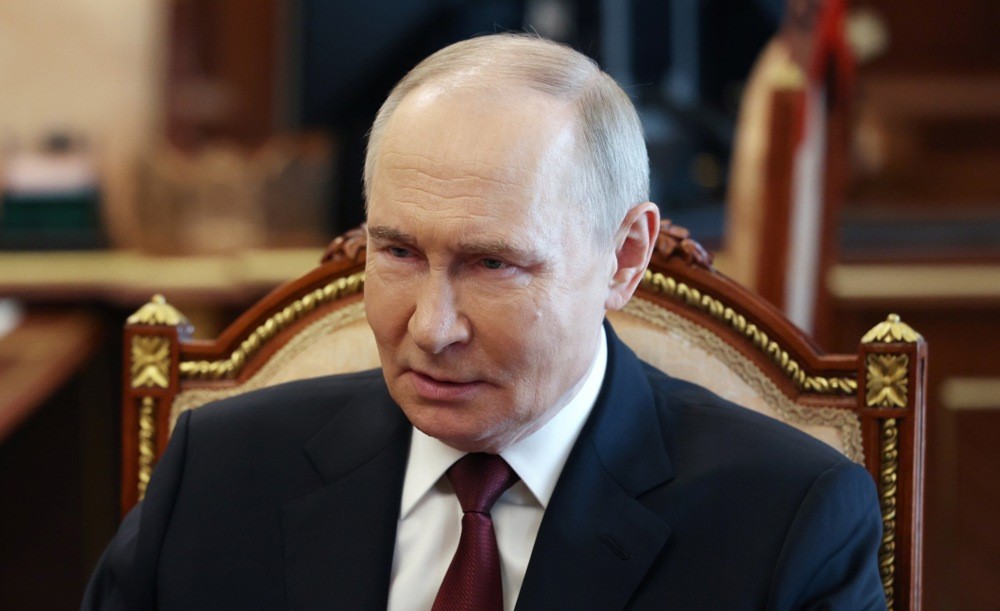
On May 25, Russia's Foreign Ministry issued a warning: the army would begin "consistent systematic strikes" on Ukrainian defense industry enterprises in Kyiv and "decision-making centers." Foreigners — diplomats and employees of international organizations — were advised to "leave the city as soon as possible." Moscow cited an attack on a college building in the temporarily occupied Starobilsk in Luhansk region as the reason.
The warning came a day after one of the largest missile and drone strikes on Kyiv since the beginning of 2025: on the night of May 24, Russia deployed approximately 600 drones and 90 missiles of various types, including ballistic missiles. According to the Ukrainian Air Force, air defense systems neutralized 604 targets. The strike killed people, wounded 44 others, and destroyed residential buildings in several districts of the capital.
Poland's Foreign Ministry responded the same day — choosing an unconventional argument. Warsaw did not appeal to international law or NATO, but instead pointed to an internal contradiction within Russia itself:
"Since Russia, as it claims itself, is not waging a war but only a so-called 'special military operation,' which should be limited to military objectives — any attacks on other infrastructure, including diplomatic missions, should be considered unfriendly actions."
Polish Foreign Ministry, May 25, 2025
Warsaw directly stated: any strike on Polish diplomatic missions in Kyiv would be considered conscious and deliberate.
EU Ambassador to Ukraine Katarina Mathernova called Russia's Foreign Ministry statement "a masterpiece of hypocrisy" — since Russia has been attacking civilian infrastructure for years. None of the major diplomatic missions left Kyiv.
Ukraine's Foreign Minister Andrii Sybiha explained the Kremlin's logic differently at a press conference: according to him, the threats are a tool of pressure on the West, an attempt to influence "Western mentality" and force partners into concessions. The same day, he invited heads of more than 70 diplomatic missions to personally visit the strike sites.
"The world's reaction must be proportional: additional aid packages, additional sanctions. Putin must understand that he will achieve nothing by military means."
Andrii Sybiha, Minister of Foreign Affairs of Ukraine
The Polish argument — a legal trap from Moscow's own words — is effective as rhetoric. But the question is practical: if Russia does strike diplomatic infrastructure in Kyiv, will Warsaw's response be limited to a protest note — or will it cross some specific threshold of action within NATO?



