Slovakia sells millions of ammunition rounds to Ukraine — and Prime Minister Fico has nothing to do with it
Slovak President Pellegrini confirmed at the Bucharest Nine summit that the country is one of NATO's key ammunition producers and is increasing commercial supplies to Kyiv. This occurs alongside Prime Minister Fico's anti-Ukrainian rhetoric — and both consider this to be consistent.

By Tetiana Suchkova-Ladik
May 14, 2026 · 2 min read
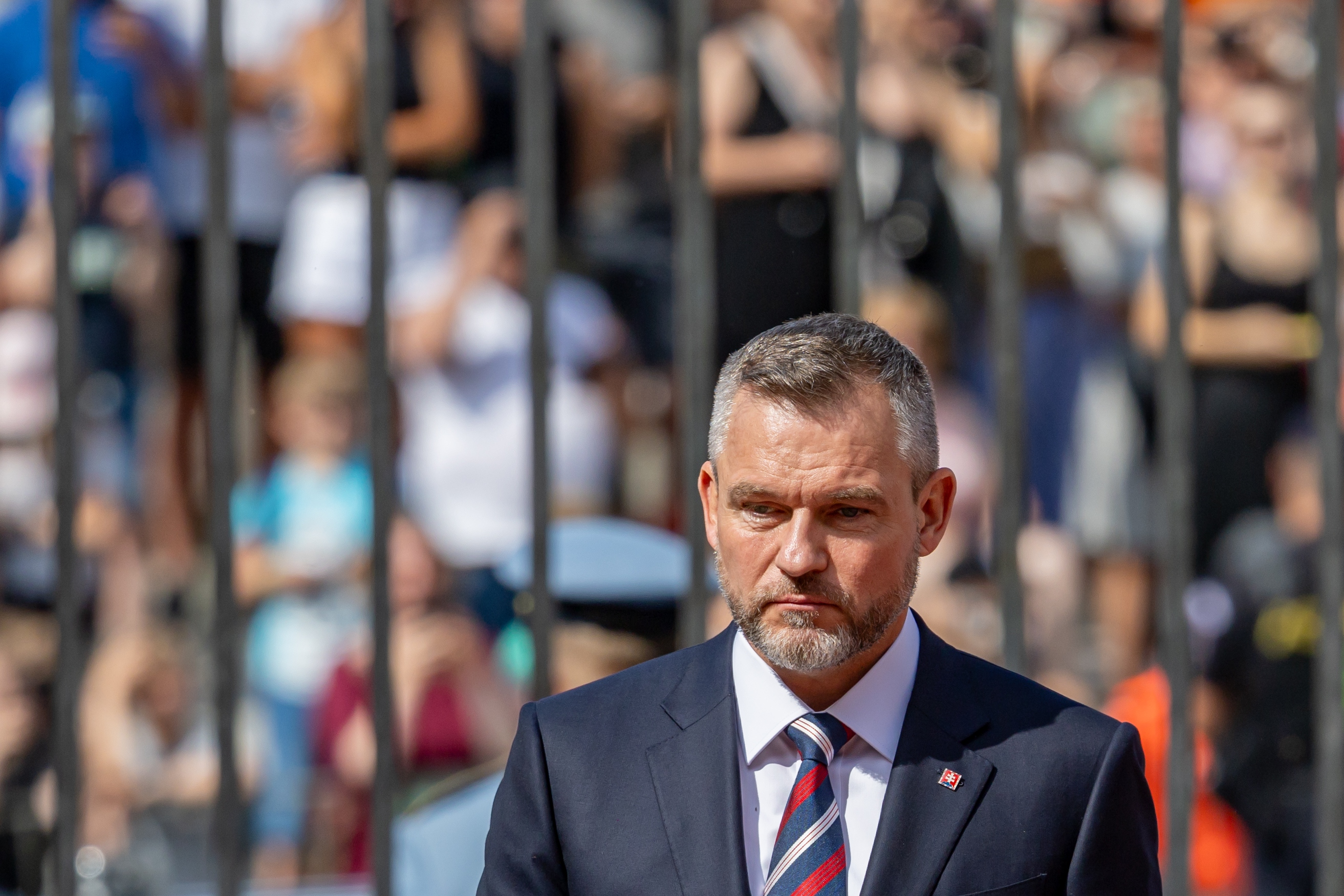
Slovakia supplies Ukraine with ammunition "in the millions of units, and this number will grow" — that's how the country's president Peter Pellegrini described the situation to journalists after the Bucharest Nine summit on May 13. The key word in his formulation: commercial basis.
Weapons as business, not aid
Slovakia has long distinguished between two concepts: state military assistance — and the export of defense industry products. Prime Minister Robert Fico blocked the former back in 2023, solemnly promising voters "not a single bullet from state warehouses." But the latter — he not only permitted, but encouraged.
According to Kyiv Post, citing Oxford Economics analytics, Slovakia's defense exports reached €1.15 billion in 2024 — approximately 1% of the country's GDP. This is twice as much as in 2023, and ten times more than before Russia's full-scale invasion in 2022. In terms of growth rates in weapons' share of total exports, Slovakia outpaced the USA, Poland, and Czechia.
"This is not support for war, but support for trade"
— Slovakia's Defense Minister Robert Kalinák at the opening of an artillery factory
The SME portal estimates that in 2025, defense exports could account for 1.7 to 2% of GDP — a record figure in the country's history. According to Pellegrini, the defense sector already makes up about 3% of GDP, and Slovakia plans to systematically increase defense spending over the next ten years in accordance with NATO requirements.
What Pellegrini said about Ukraine — and why it matters more than the numbers
Slovakia's president called Ukraine an "inspiration for how to arm the Slovak Armed Forces" — and this is not diplomatic courtesy. According to him, Ukrainian military personnel have accumulated unique experience in modern warfare, which could be useful to neighboring countries. At the same time, Slovakia has already launched production of interceptor drones and is strengthening air defense capabilities.
On the sidelines of the same summit, Ukraine's president Volodymyr Zelensky confirmed new agreements in the Drone Deals format — including with the Finnish side, with which a separate agreement is being prepared. Slovakia is not an outsider in this process.
A paradox that both sides consider normal
Slovakia's Deputy Defense Minister Igor Melicher explained the government's logic to Politico directly: "The government promised citizens that it would not send a single bullet from state warehouses to Ukraine — and it keeps this promise." But private business that produces and sells weapons — this, according to him, is a different category.
For an average Slovak, the difference seems technical. For a Ukrainian soldier receiving Slovak shells — it is immaterial. For Slovakia's economy — very profitable: a tenfold increase in three years is not a market fluctuation, it is a structural change in the industry.
The question is not whether Fico will stop commercial supplies — he cannot do so without destroying his own position "for business and employment." The question is different: if Slovakia is increasing production and setting export records, and Pellegrini openly speaks of growth — when will commercial logic force a reconsideration of the ban on state supplies itself?



