Yermak responded to suspicion: "the investigation is independent" — but can it be independent from the person who shaped it?
The former head of the Presidential Office claimed the suspicion against him was unfounded and criticized pressure on law enforcement. The real question is: how independent were those same law enforcement agencies while he was leading the Presidential Office.

By Tetiana Suchkova-Ladik
May 12, 2026 · 2 min read
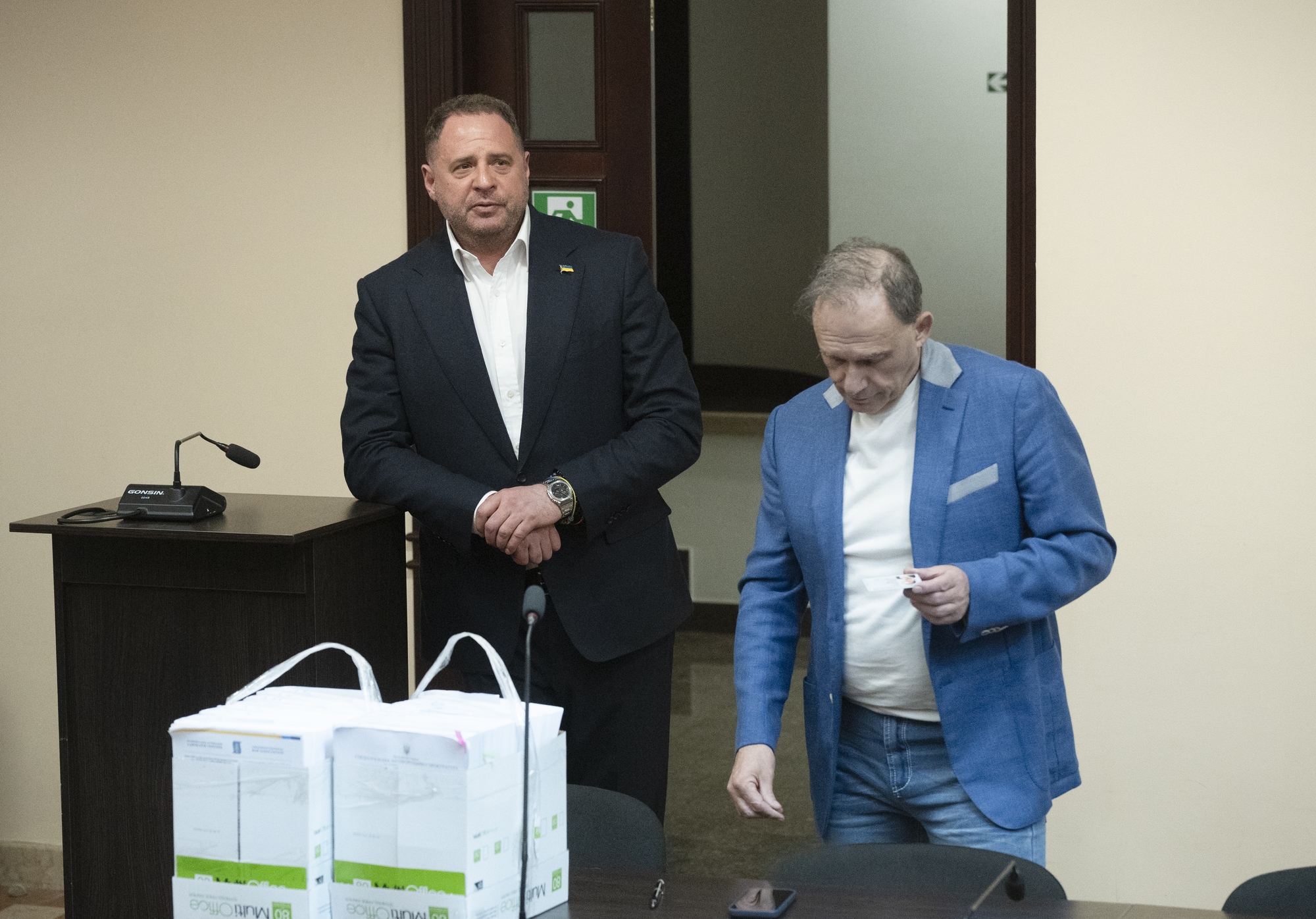
Andriy Yermak, who headed the Office of the President for nearly five years, responded to reports of a suspicion with a public statement. According to him, the suspicion is unfounded, and any public pressure on investigators is inadmissible. "The investigation must be independent of political statements," he wrote.
This thesis is correct in essence. The problem lies in the context in which it is voiced.
Yermak managed the OP during a period when personnel appointments in law enforcement structures, including the SBU and the prosecutor's office, went through approval with Bankova. This is not conspiracy theory — it is a documented practice that current and former officials spoke about openly. In other words, a person who today calls for investigative independence was long part of a system that structurally limited that independence.
The suspicion itself does not yet contain publicly verified details — it is unclear which agency issued it, what evidence it is based on, or whether it is part of a broader investigation into the OP's activities. Without this, any assessment — both Yermak's claim of "unfoundedness" and mirror accusations from his critics — remains mere rhetoric.
There is also a broader dimension. After the full-scale phase of the war concludes, Ukraine will inevitably face the need for an institutional audit — who made decisions, how, and why under extraordinary powers. The Yermak case, whatever its true nature proves to be, will become a test: is the Ukrainian legal system capable of working with people who were at the center of power without turning into either a tool for settling scores or a machine for justifications.
For now, there is no public evidence to assess the suspicion. If the investigation makes it public — it will become clear whether this is a genuine investigation. If the case dissolves without explanation — that will also be an answer, but about the system as a whole.
Are Ukrainian institutions ready to bring the case to its logical legal conclusion — regardless of what that conclusion proves to be?



