65% of residents of occupied Enerhodar have left the city
Sixty-five percent of the population of occupied Enerhodar have left the city during the occupation. Mayor Dmytro Orlov said people fled in waves after the seizure of the Zaporizhzhia Nuclear Power Plant, sham elections and the Kakhovka blast; humanitarian hubs are operating in Zaporizhzhia, Dnipro and Kyiv.

By Oleg Bazylewicz
December 9, 2025 · 1 min read
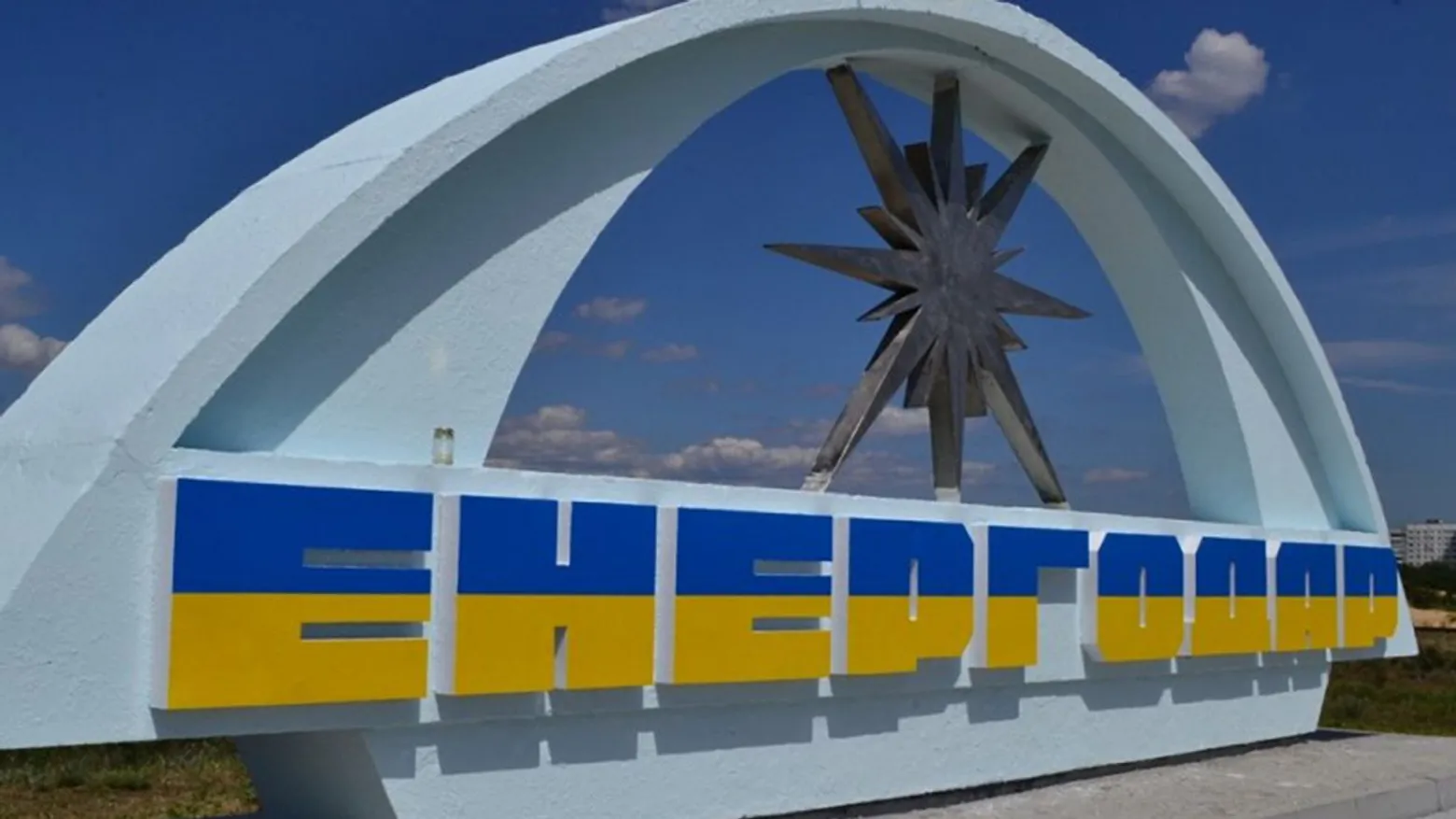
About 65% of the population of temporarily occupied Enerhodar in Zaporizhzhia region have left the city. This was said in an interview by the mayor, Dmytro Orlov.
Scale of departures
If before the occupation there were about 53,000, then about 65% have left and are in territory controlled by Ukraine
– Dmytro Orlov, mayor of Enerhodar
Orlov clarified that where the largest numbers of Enerhodar residents settled, it was possible to organize humanitarian hubs. They operate in Zaporizhzhia, Dnipro and Kyiv.
Waves of evacuation
The mayor said that people left the city in waves from the first day of the Russian occupation.
The first wave – the occupation of the Zaporizhzhia Nuclear Power Plant itself, when convoys of more than a hundred cars and buses left.
The next wave – when the fake elections and referendum began. Then, when the plant disconnected all power units from generation in September 2022. There was also a wave after the Kakhovka dam breach
– Dmytro Orlov
Situation in the city
Enerhodar is a city in Zaporizhzhia region under temporary Russian occupation. The occupiers use it as a military-logistical base, in particular employing local enterprises to repair equipment and store weapons.
As a result of administrative chaos, negligence and constant shelling, the city experiences regular power outages, problems with water supply and environmental pollution. Part of the population has left, others face pressure or coercion, and workers at the Zaporizhzhia NPP face persecution and safety risks.
Context
In May it was reported that Russia had unlawfully detained at least 13 employees of the occupied NPP. Most of them received "sentences" in court, and three disappeared without a trace.
Before the war, Enerhodar was a city of nuclear workers with developed infrastructure and over 53,000 residents. The Russian occupation has turned it into a military base with a humanitarian crisis and mass emigration of the population.