Feb. 8 bodycam footage: police release video of death during an arrest — investigation continues, trust at issue
The Kyiv Patrol Police released body‑camera footage of the February 8 incident in which a man died during an arrest. A criminal case has already been opened — and the outcome of the investigation will affect not only the legal assessment but also public trust in law enforcement procedures.

By Tetiana Suchkova-Ladik
February 14, 2026 · 2 min read
What was released
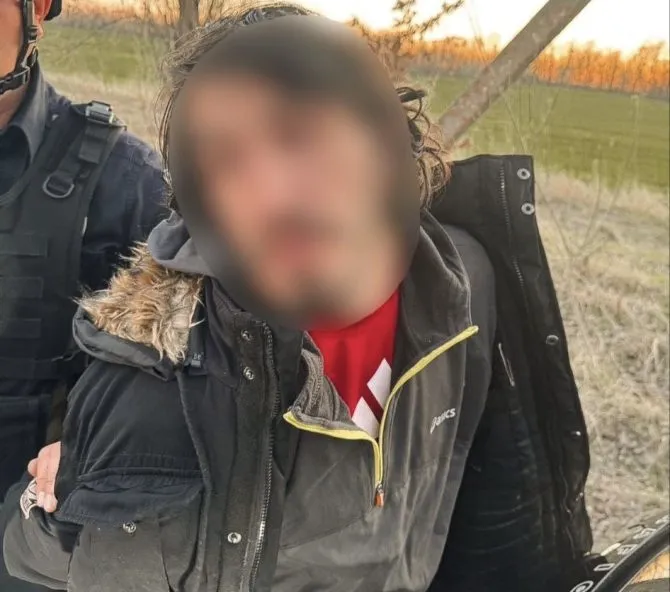
The Kyiv Patrol Police released video from body-worn cameras recorded on the night of February 8. The footage is accompanied by an official comment describing the officers' response to a report to the 112 emergency line and the subsequent detention of a man who allegedly behaved aggressively and threatened law enforcement officers.
"Video from the patrol officers' body-worn cameras"
— Kyiv Patrol Police, press service
Timeline and official conclusions
According to the police, the officers used physical force and handcuffs in accordance with Articles 44 and 45 of the Law of Ukraine "On the National Police." After the man became unwell, the patrol officers removed the handcuffs, placed the injured person in the recovery position, called an ambulance and provided first aid until it arrived. Medical personnel performed resuscitation measures, but the man died at the scene.
"In order to stop the offense, the patrol officers applied physical force and handcuffs in accordance with Articles 44 and 45 of the Law of Ukraine 'On the National Police'"
— Kyiv Patrol Police, press service
Information has been entered into the Unified Register of Pre-Trial Investigations under Part 3 of Article 365 of the Criminal Code of Ukraine (exceeding authority or official powers). Separately, the police report that, according to the forensic medical examination, the cause of death was heart disease.
"According to the forensic medical examination, the man died due to heart disease"
— Kyiv Patrol Police, press service
Ombudsman's reaction and questions of accountability
Ombudsman Dmytro Lubinets has already reacted and sent a letter to the leadership of the National Police demanding a legal assessment of the officers' actions. This response underscores that even when there is a medical conclusion, law enforcement actions are subject to a separate review — both legally and procedurally.
"I have sent a letter to the leadership of the National Police demanding a legal assessment of the actions of the law enforcement officers"
— Dmytro Lubinets, Commissioner of the Verkhovna Rada of Ukraine for Human Rights
Why this matters for citizens
The publication of body-camera footage is not merely an isolated event. For society, it is a test of transparency and accountability of the bodies responsible for public safety. A forensic medical examination establishes the cause of death, but it does not always resolve the question of the causal link between police actions and the tragic outcome. That is why a full, openly documented review is necessary.
What comes next
The key is comprehensive procedural work: interviewing witnesses, expert examinations, analysis of timestamped video, and legal qualification of the actions. The result of the investigation will affect trust in the police and how effectively the system will respond to similar incidents in the future.
While the footage is available to the public, it is important to keep a cool head: wait for the findings of the investigation and experts, but demand full transparency from law enforcement and personnel accountability if a violation is established.
Question for society: will the release of body-camera footage become an effective mechanism of accountability, or remain merely an alarm signal? The answer depends on the quality of the investigation and the systemic decisions taken afterward.