From parcel lockers to pre-trial detention: 21-year-old detained in Bila Tserkva with 40 packets of methadone
The scheme of selling drugs online and through parcel lockers is no longer hypothetical. Kyiv region police exposed a young man from whom they seized 40 packets of methadone — we examine how the network operated and what this means for community safety.

By Tetiana Suchkova-Ladik
March 24, 2026 · 2 min read
Exposed in Bila Tserkva
In Bila Tserkva, law enforcement officers detained a 21‑year‑old man from whom they seized 40 packets of methadone. The scheme — ordering online with subsequent delivery via postal shipments (parcel lockers) — proved to be a reality directly affecting the safety of the local community.
How the scheme worked
According to the police, the suspect was offered online to distribute drugs via postal shipments. By arrangement, he picked up bundles at a designated location on the outskirts of the city, transported them home and repackaged them for further sale. This approach gives criminals a measure of anonymity and makes it harder to directly trace supply channels until law enforcement’s operational network intervenes.
Detention and legal qualification
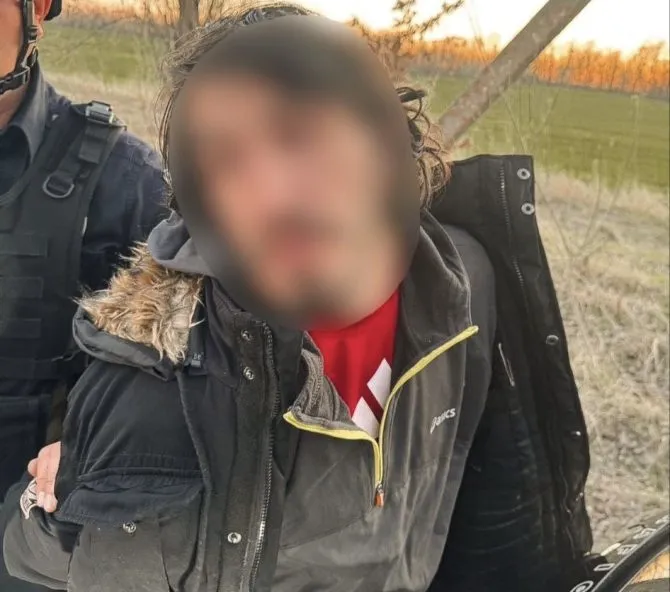
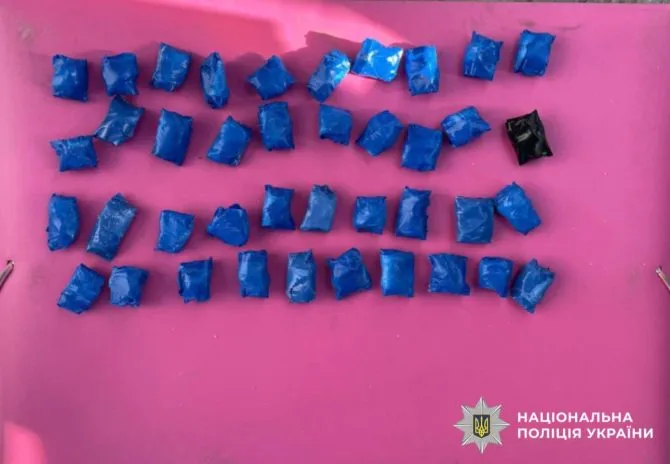
The next day, officers from the drug crime unit of the criminal police stopped the man on one of the city streets. During a search, they discovered and seized 40 individually packaged packets. The seized items were sent for expert examination. The suspect was detained and informed of suspicion under Part 3 of Article 307 of the Criminal Code of Ukraine — illegal acquisition, possession and transportation of narcotic substances for the purpose of sale in particularly large amounts, committed by prior conspiracy. The court ordered pretrial detention as a preventive measure; he faces up to 12 years in prison with confiscation of property.
"The offender has been detained, evidence seized. An investigation into the origin of the narcotic substances and the identification of possible accomplices is ongoing"
— Kyiv Region Police
Context and risks
Online ads and postal services create operational channels for the distribution of prohibited substances. At the same time, they leave digital traces — and it is precisely the combination of analytics and operational work that offers a chance to expose networks. Law enforcement emphasizes the need to coordinate with postal service operators and ad platforms to minimize opportunities for such schemes.
What next
The investigation continues: authorities are establishing the source of the narcotics and identifying possible accomplices. It is important for the community to remain vigilant and report suspicious shipments or contacts — this is one of the most effective ways to stop new distribution channels before they expand.