Climate is changing Brazil's coffee plantations: robusta displaces arabica
As the climate warms, Brazilian farmers are increasingly switching to robusta — a variety more resistant to heat and disease. Its production is growing at a faster rate, prices are rising, and younger consumers' taste preferences are reinforcing the trend.

By Oleg Bazylewicz
November 29, 2025 · 1 min read
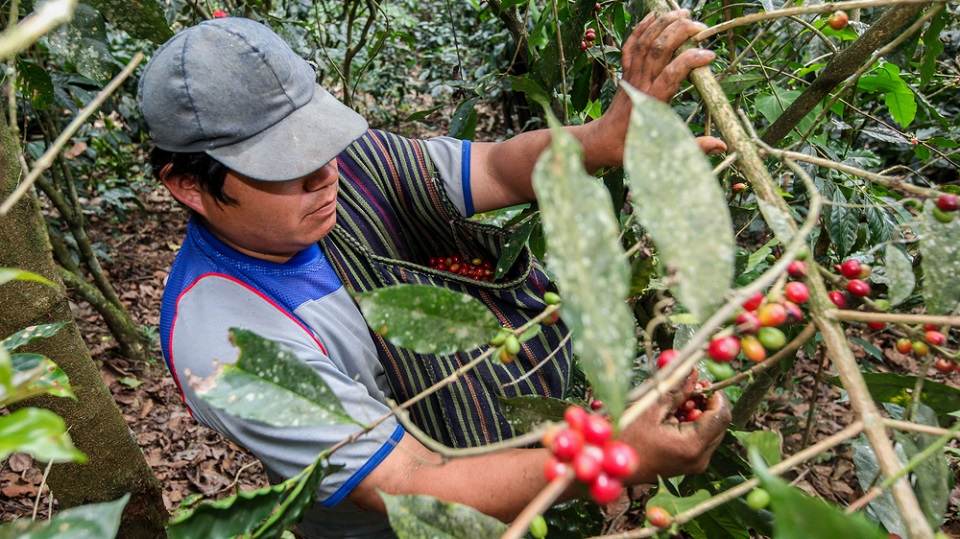
Brazil, which traditionally dominates arabica production, is gradually increasing areas planted with robusta. This variety yields beans with a more pronounced bitterness but better tolerates higher temperatures and disease outbreaks.
Transition to Robusta
Arabica remains the country's main export commodity, but the conversion of land to robusta is happening at a faster pace: over the past ten years robusta cultivation volumes have increased by more than 81%.
"It wasn't necessarily demand that drove the growth in robusta production. In fact, the main factors that stimulated the increase in robusta were climate problems and arabica crop losses."
– Fernando Maximiliano, coffee market analytics manager at StoneX
Over the past three years arabica production has grown by roughly 2–2.5% per year, while robusta added about 4.8% annually. StoneX explains this by robusta's greater resilience to adverse weather conditions and the higher profitability of cultivating it.
Market and Prices
Analysts at Rabobank believe that, at current rates, Brazil could overtake Vietnam and become the world's leading producer of robusta.
The tastes of the younger generation also affect demand: many consumers mix coffee with milk, cream, or syrups, which makes robusta's bitterness less noticeable and does not deter buyers.
Although robusta typically costs less than arabica, its prices have risen to record levels. Higher yields combined with rising prices are prompting Brazilian farmers to invest in this variety.
According to Alessandro Teixeira of Embrapa, producers are also working on improving the quality of robusta beans, which makes it more attractive to consumers and further supports price increases.
Last week global coffee prices surged sharply after U.S. President Donald Trump removed a 40% tariff on imports of Brazilian agricultural products.