Clooney and his family become French citizens: privacy, rights and a European signal
George Clooney, his wife Amal and their two children have officially acquired French citizenship — not merely a personal choice but also a reflection of why European privacy protections attract high-profile public figures worldwide. We examine what this means for culture, the law and for those seeking European standards.

By Tetiana Suchkova-Ladik
December 29, 2025 · 2 min read
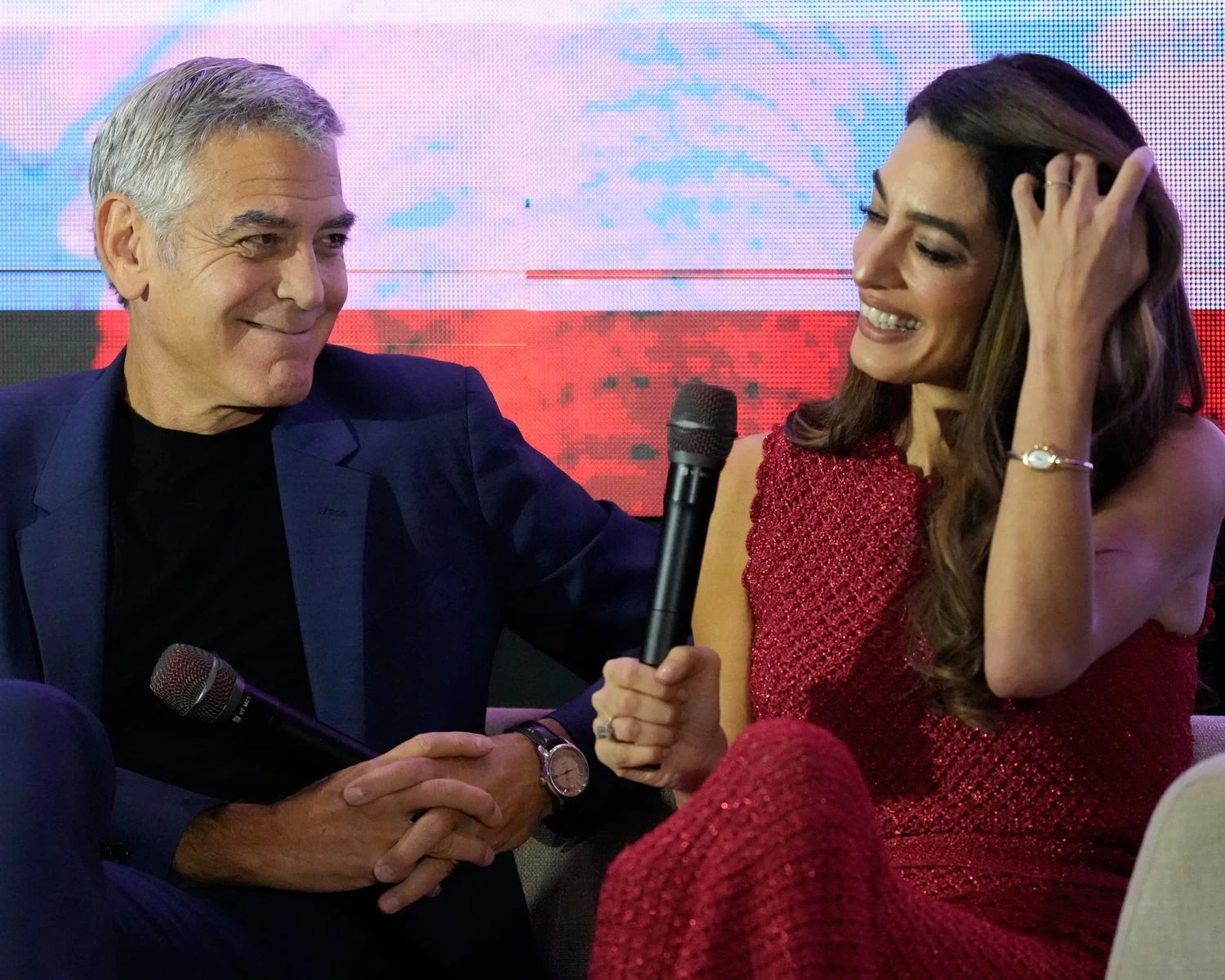
Brief: what happened and why it matters
An official decree in the French government gazette (Journal officiel) confirmed that George Clooney, his wife Amal and their two children have been granted French citizenship. The news is corroborated by The Guardian and by Clooney’s quotes on RTL. For readers this is interesting not only as a society item: it raises questions of privacy protection, children’s rights and international symbolism — topics relevant to Ukraine in its process of European transformation.
What is known
According to the publication in the French government gazette (link to Journal officiel) and reporting by The Guardian, citizenship has been officially granted to George Clooney, Amal Clooney and their eight-year-old twins. Earlier the actor praised French privacy laws in a comment to RTL and explained why the family settled in France.
"I love French culture, your language, even if I still speak it poorly after 400 days of classes."
— George Clooney, interview with RTL
"They don't photograph children here. There are no paparazzi hiding by the school gates. That is the most important thing for us."
— George Clooney, interview with RTL
Facts about property and lifestyle: the family owns an estate on Lake Como (Italy), bought the Domaine du Canadel winery in southern France in 2021, has owned or owns property in England, New York and Kentucky; over the past decade there were reports of sales of homes in Los Angeles and Mexico.
Why it matters: law, culture, a signal to Europe
This step is not a passive "change of registration." It underscores the role of legal mechanisms in protecting families from excessive media attention and aggressive paparazzi. French privacy law has practical consequences: faster legal tools against intrusions into family life — exactly what public figures working across countries are seeking.
For Ukraine, this incident is a reminder of why European standards of law and protection matter: public trust, child protection and professional media ethics are components that improve quality of life and make a country attractive to those who evaluate not only the economy but legal security as well.
Trend and social proof
Clooney is not an isolated example. The Guardian and other outlets note that other artists, such as director Jim Jarmusch (interview with France Inter), are also considering French citizenship. Such a flow demonstrates not just geographic advantages but actual "soft power" — when legal and cultural infrastructure becomes a magnet for international figures.
"I would like to find a place that would allow me to flee the United States"
— Jim Jarmusch, France Inter
Conclusion
George Clooney and his family's decision to acquire French citizenship combines personal priorities (children's safety, quality of life) with a signal in favor of European standards of law and privacy. For Ukraine it is another reason to reflect: how well do our laws and institutions meet the expectations of those seeking legal protection and stability? The question is simple but important — and the answer shapes trust for the future.
Sources: Journal officiel (France), The Guardian, RTL, France Inter.