Kyiv: Mother suspected of leaving 14-year-old son without assistance — what this says about the child protection system
A woman from Kyiv left for two weeks, abandoning a teenager with a leg injury without food, water or any means of communication. This is not just a criminal case — it's a wake-up call for services and communities that must protect children at their most vulnerable moment.

By Tetiana Suchkova-Ladik
February 11, 2026 · 2 min read
What happened
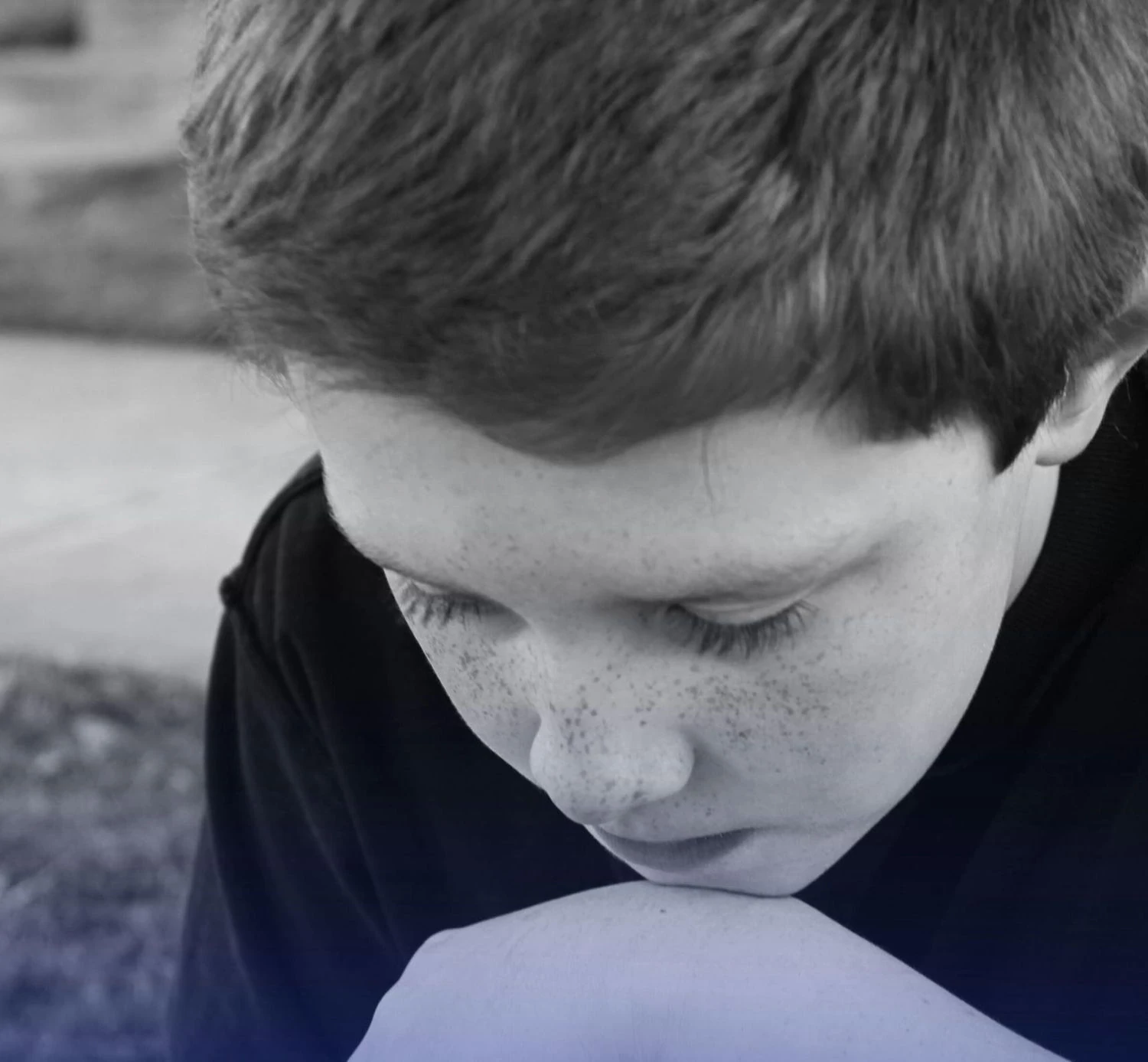
According to the Office of the Prosecutor General (reported by UNN), a 35‑year‑old Kyiv resident left in an unknown direction, leaving her 14‑year‑old son in the apartment with his elderly grandmother. After a serious leg injury the teenager could not move independently and was entirely dependent on care. For two weeks he was without food, water, and means of communication — neighbors fed him and his grandmother until law enforcement and services intervened. The boy was removed and placed in a family‑type children's home.
"Juvenile prosecutors of the Obolonskyi District Prosecutor's Office have notified a 35‑year‑old Kyiv resident of suspicion after leaving her 14‑year‑old son unattended despite his serious health condition. After a serious leg injury the teenager could not move independently and was completely dependent on the care of adults. The mother left in an unknown direction, leaving him in the apartment with his elderly grandmother, who was also unable to provide adequate care. For two weeks the boy was without food, water, and means of communication"
— Juvenile prosecutors of the Obolonskyi District Prosecutor's Office
Medical and legal context
Doctors preliminarily diagnosed the teenager with anorexia and "serious dysfunction of internal organs." The mother's actions have been classified under Part 1 of Article 135 of the Criminal Code of Ukraine — knowingly leaving without assistance a person who was in a life‑threatening condition. Such a classification may lead to criminal prosecution and social‑rehabilitation measures for the child.
"At the direction of the Prosecutor General, prosecutorial authorities have strengthened the protection of children's rights: 45 interagency groups have been created, 281 children's institutions inspected, 722 family‑based care arrangements and the conditions of more than 26,000 children checked"
— Office of the Prosecutor General
Why this matters
This case highlights several key points: first, even in large cities there are gaps in the care system; second, the role of social solidarity (the neighbors who helped) often saves lives where systems temporarily fail; third, the response of authorities (the mother's suspicion, the child's removal, interagency checks) shows that the state has begun large‑scale steps toward inspection and prevention.
Child protection experts note that criminal liability must go hand in hand with systemic preventive measures: access to medical care, regular monitoring of vulnerable families, and prompt coordination between services.
Conclusion
An individual tragedy becomes a test for the system: will there be enough resources and political will not only to punish the guilty, but also to prevent similar cases? Now the matter goes to court, but it also calls for long‑term changes in care and prevention practices.