Kyiv paralyzed by icy conditions: traffic jams, halted transport and truck ban
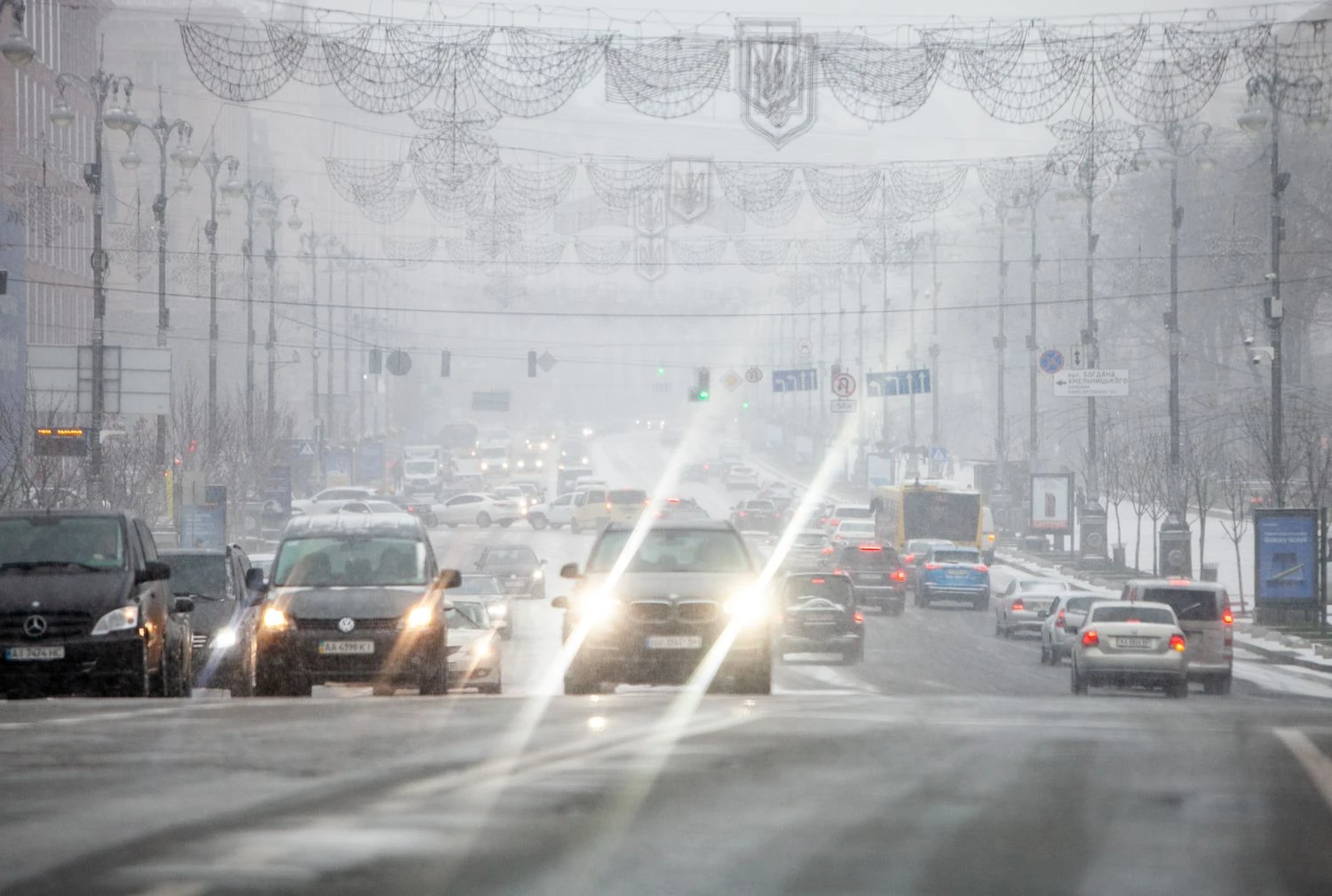
After a sudden change in the weather, the capital's streets turned into an icy trap — snow dusted a layer of ice, traffic was suddenly blocked, and the city hall introduced restrictions on oversized vehicles. We explain where the greatest risk is and what to do today.

By Tetiana Suchkova-Ladik
February 16, 2026 · 2 min read
What happened
Overnight and in the morning the weather in Kyiv changed abruptly: fresh snow dusted an already frozen road, creating dangerous black ice. Because of poor traction, cars are skidding or stopping right on the carriageway; videos on social media show Kyiv residents pushing cars and helping to restore traffic flow, reports UNN.
Where the problems are worst
The situation is especially difficult on the approaches to the Exhibition Center and on the route to Boryspil Airport: there the number of accidents and delays is increasing. On one of the main roads a trolleybus stopped in the middle of the road — passengers and passersby had to help it continue moving.
"From 22:00 on February 15, entry of heavy vehicles into Kyiv is prohibited."
— Vitali Klitschko, Mayor of Kyiv
City response and consequences
The city hall acknowledged the deterioration of the situation and introduced a temporary ban on heavy trucks to relieve the approaches to the city and allow municipal services to work more effectively. Because of the buildup of vehicles, deliveries have been disrupted, public transport is standing still, and traffic jams stretch for kilometers — businesses and Kyiv residents’ daily routes will experience delays.
Road services have already gone out to treat the main roads, but the technical logistics (spreading reagents, operation of specialized equipment) take time. Road maintenance experts note that when snow falls onto a layer of ice, standard salting/gritting is less effective — repeated treatments and prioritization of key routes are required.
What drivers and Kyiv residents should do
If you can — postpone trips or work remotely. If travel is unavoidable, plan for extra time, keep distance, carry snow chains/winter tires and avoid heavy-traffic routes. Follow official updates from the Kyiv City State Administration and navigation service alerts.
Social aspect. Footage from the scene shows Kyiv residents responding quickly to help one another — pushing cars, organizing assistance for public transport. This does not solve the problem systemically, but it shows that in critical moments the city mobilizes.
Forecast
If municipal services intensify treatments of the main roads and temperatures rise above zero, clearing may take a few hours. If the frost persists — the consequences could last a day or more. The next step for the city authorities is to concentrate resources on approaches to logistics hubs and key transport arteries, which will restore movement faster.
The situation is under control but will require coordination and patience. Follow updates from the Kyiv City State Administration and plan trips taking the new conditions into account.