Kyiv endured the coldest winter in 15 years — how it will affect heating, infrastructure and spring floods
According to the Central Geophysical Observatory, the average winter temperature was −4°C — 1.5°C below the climatic norm. We look at why these figures are important for Kyiv residents now: tariffs, networks and the risk of spring flooding.

By Tetiana Suchkova-Ladik
March 3, 2026 · 2 min read
Briefly
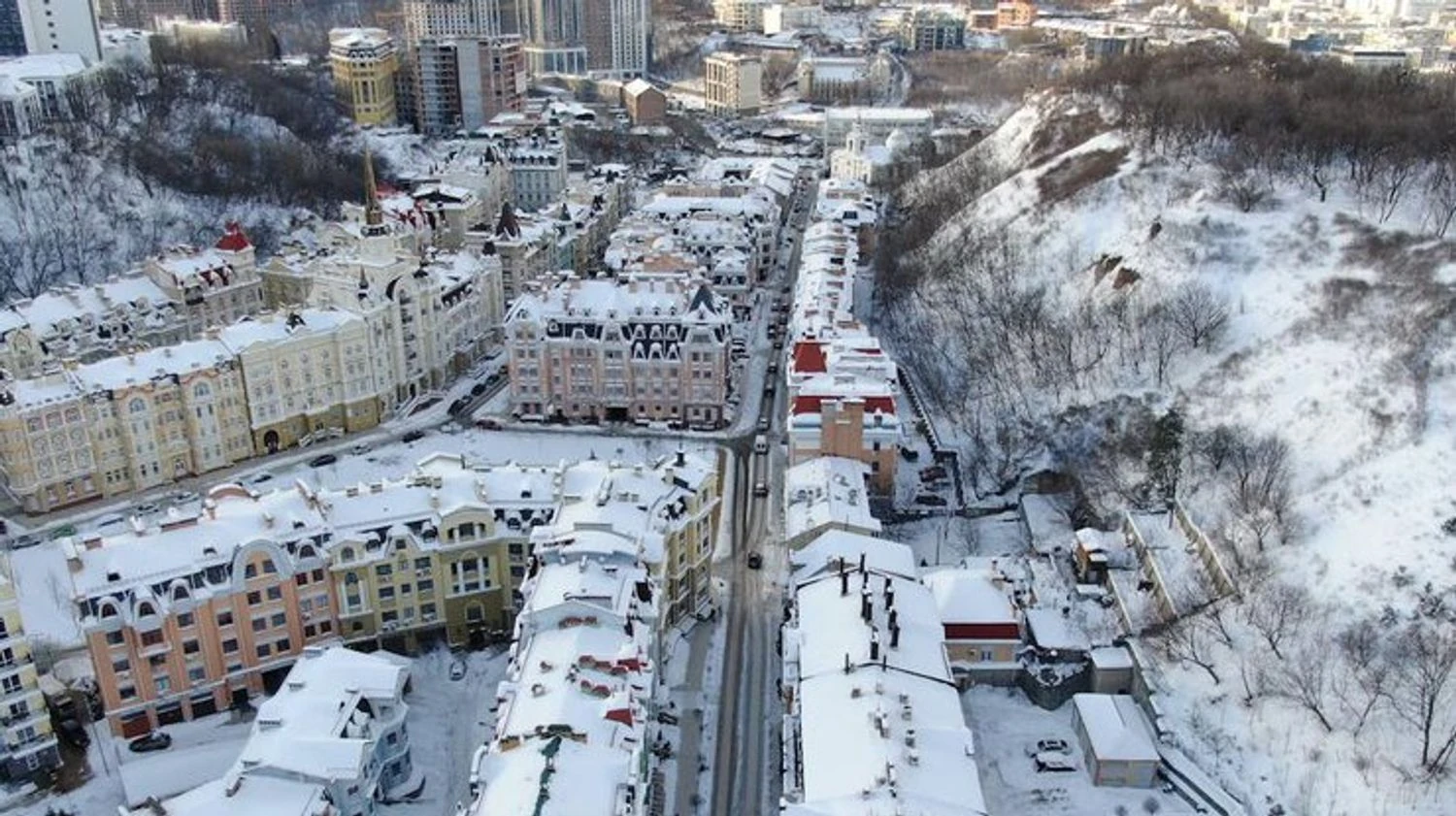
This winter in Kyiv was the coldest in the last 15 years: the average temperature at the "Kyiv" station was −4°C, which is 1.5° below the climatic norm. The last similar winter period was recorded in 2010–2011.
“The last time the capital experienced a similarly cold winter was in 2010–2011, with a temperature of −4.2°C”
— Central Geophysical Observatory named after Borys Sreznevsky
What meteorologists recorded
According to observations of the combined hydrometeorological station "Kyiv", the winter of 2025–2026 had the following key indicators: mean monthly temperature — −4°C, January showed the greatest negative deviation (≈ −4.4°C), the coldest day — February 10 (≈ −20.2°C), the warmest — December 10 (+9.3°C). Precipitation totaled 112 mm, which is ≈ 91% of the climatic norm.
Why this matters: a few reasons
Safety and infrastructure. Lower temperatures increase the load on heating, water supply and heat networks — especially during wartime, when resources and logistics are limited.
Household economy. A colder winter means higher energy consumption — this can affect bills and the budgets of municipal services.
Risk of spring flooding. Although precipitation was slightly below normal, the snowpack and prolonged cold increase the likelihood of intense melting in spring. State agencies are also warning about this.
“Active spring flooding is forecast in Ukraine; river water levels have already risen by 2.5 m”
— Ministry of Economy of Ukraine
Why this happened (briefly and to the point)
Meteorologists link the cold regime to synoptic changes — intensified Arctic intrusions and certain features of atmospheric circulation this season. At the same time, one cold season does not contradict the overall picture of climate change: a short-term anomaly can coexist with the long-term warming trend.
What the city and residents should do
The approaches are clear: monitor networks, carry out preventive cleaning of drains and collectors, ensure emergency crews are ready, and provide social support for vulnerable groups. For households — check insulation, individual metering devices, and energy-saving plans.
Conclusion
The facts are clear: the coldest winter in 15 years put infrastructure to the test and at the same time raised attention to the risks of spring thaw. The coming weeks are for hydrologists and utilities: will systems prove ready for higher water levels, and can we minimize the impacts on the city and its people?