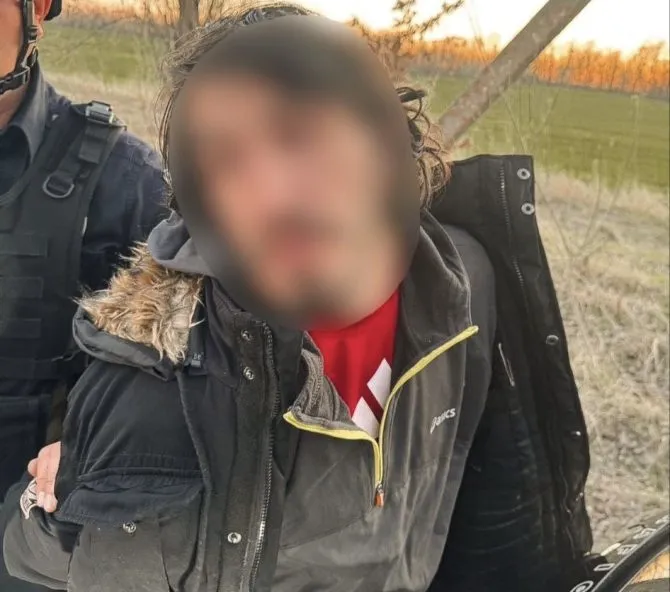
Kyiv region: courier detained at checkpoint with PVP and methamphetamine — 128 packets seized
On the Kyiv–Odesa highway, police detained a 40-year-old Kyiv resident with 128 packets of psychotropic drugs intended for "zakladky" in the Bila Tserkva area. Why this matters for the safety of local communities and how the investigation will proceed — briefly and to the point.

By Tetiana Suchkova-Ladik
March 17, 2026 · 2 min read

Details of the detention
Law enforcement in the Kyiv region uncovered a channel for distributing psychotropic substances: a 40-year-old Kyiv resident was detained while transporting a large consignment of drugs for further sale in the form of "zakladky" (hidden drops). The man received the packages in the capital and was heading along the Kyiv–Odesa highway toward Bila Tserkva.
"During the vehicle search, 128 packages containing psychotropic substances were found and seized. The seized items have been sent for expert examination."
— Kyiv Region Police
How the channel operated
According to the investigation, the detainee acted in collusion with an unidentified person. The "zakladky" format and the use of a car on the highways point to a typical scheme: centralized packaging of batches in a large city and distribution across districts via couriers. This model allows psychotropics to be distributed quickly, but at the same time creates traces that can lead to the suppliers.
Police action and evidentiary base
After stopping at the entrance to Bila Tserkva, police conducted a search, forensic specialists documented the evidence, and the seized packages were sent for expert analysis. The detainee was placed in a temporary detention facility and notified of suspicion of illegal acquisition, storage, and transportation for the purpose of sale of an especially dangerous psychotropic substance in particularly large amounts, committed by prior conspiracy of a group of persons. The court imposed pretrial detention as a preventive measure.
Consequences for the community and next steps
Such detentions have two important aspects: first, they temporarily reduce the supply of drugs on the local market; second, they open an investigative trail to identify a wider supply chain. For communities, this is a reminder of the importance of cooperating with the police and staying vigilant about suspicious distribution schemes.
Investigators are currently establishing the sources of the seized psychotropics and identifying other persons involved in the crime. The suspect faces up to 12 years in prison under current legislation.
Brief conclusion
The detention at the checkpoint is an example of coordinated law enforcement work and the effectiveness of controls on highways. The next stage of the investigation will show whether authorities can reach the organizers of the channel and halt supplies on a broader scale. Communities should remain vigilant and report suspicious approaches — safety of the local environment is not only the responsibility of the police.