Kyiv region: fatal crash near Hoholiv — Skoda driver killed, police open investigation
A bus carrying passengers collided with a car; one person was killed and three others were injured. We explain what is already known, which criminal charge is being brought and why this matters for road safety.

By Tetiana Suchkova-Ladik
March 20, 2026 · 1 min read
Details of the incident
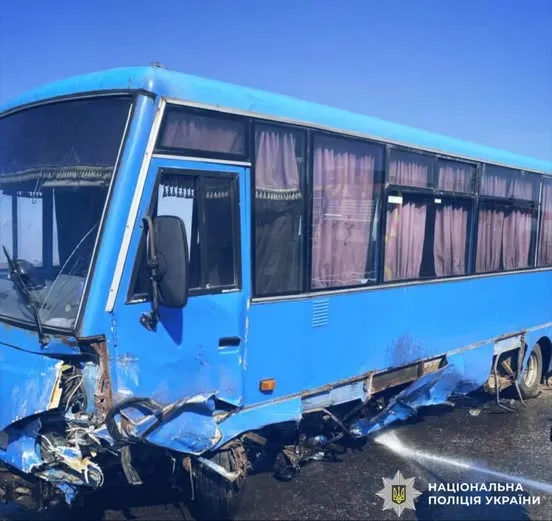
Today, March 20, at around 10:40 near the village of Hoholiv in Brovary district a road traffic accident occurred involving a Skoda passenger car and a passenger bus.
According to the Kyiv Regional Police, the driver of the car lost control, drove into the oncoming lane and collided with the bus, which had eight people on board, including two minors.
Consequences and legal qualification
As a result of the crash the driver of the Skoda died, and three other people, including a minor, sustained injuries of varying severity. Investigators from the capital’s police have opened a criminal proceeding under Part 2 of Article 286 of the Criminal Code of Ukraine — on suspected violation of traffic rules that caused death or serious bodily injury.
“According to preliminary information, the car drove into the oncoming lane and collided with the bus. Initial investigative actions and a series of examinations are currently being carried out.”
— Press service of the Kyiv Regional Police
Why this matters
This crash is not only a tragic incident for the families of the victims. It highlights a systemic road safety problem on regional roads: driving conditions, adherence to speed limits and the technical condition of vehicles affect people’s lives.
“Accidents involving buses carry a high risk of multiple casualties; not only is a criminal response important, but also preventive measures — speed control, vehicle inspections and public information work with drivers.”
— Oleksiy Bondar, road safety expert
The investigation will establish the final circumstances: whether there was speeding, a technical malfunction, or other factors. It is important that the investigation be transparent and that its conclusions form the basis for practical decisions that will reduce risks on Kyiv region roads.
Now it is up to the investigators: examinations and interrogations must provide answers. And we must pose questions to both local authorities and the public: what steps will reduce the number of such tragedies in the future?