Kyiv Region removed 12 children after three-month inspections: scope of the operation and consequences for the child protection system
Juvenile prosecutors have completed a three-month inspection of institutions and families — 12 children were urgently removed from seven "dangerous" families. We explain what was found, how law enforcement is responding, and why this is important for trust in the child welfare system.

By Tetiana Suchkova-Ladik
March 19, 2026 · 2 min read
Briefly
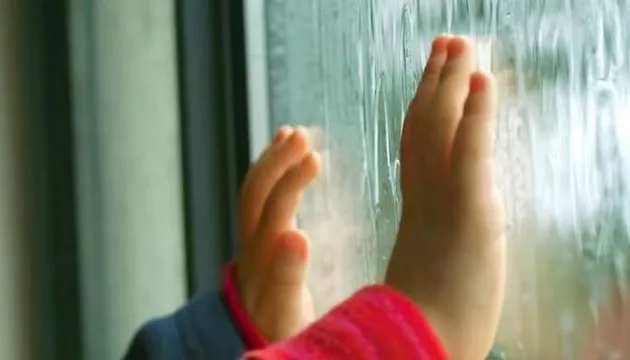
After three months of inspections, juvenile prosecutors of the Kyiv region immediately removed 12 children from seven families where threats to the children's lives and health were found. The results of the work are reported by the Kyiv Regional Prosecutor's Office, cited by Big Kyiv.
What was inspected
Specialists visited a wide array of institutions and families: 19 residential institutions, 79 family‑type children's homes (which care for 587 children), 66 foster families with 189 children, as well as 841 families in difficult life circumstances, where more than 1,600 children live.
What was found and how they reacted
As a result of the inspections, 16 criminal cases were initiated. In some of the cases, suspects have already been notified and pretrial measures imposed. Prosecutors have also filed two suits to terminate parental rights, and another suit is being prepared.
"The children were immediately placed in safe conditions."
— Kyiv Regional Prosecutor's Office
Context and why this matters
This operation is not an isolated raid but a systematic inspection that shows how extensive the care network is and how important its monitoring function is. Confirmation of violence or negligence immediately moves the matter into the legal domain: criminal cases, courts, and the temporary placement of children.
For society, this is a question of trust: can parents and the state guarantee a child's safety in institutions and foster families? For the system, it is a signal of the need to strengthen oversight, train staff, and improve coordination between services.
What next
Ongoing investigations will determine the legal responsibility of specific individuals and the fate of family ties. It is important that the inspection results translate into concrete changes — from rapid response to long‑term child protection policy.
Experts and representatives of human rights organizations emphasize that such inspections should become regular practice, not an episodic reaction. Without this, the risk of recurrence remains high.
Conclusion
State institutions demonstrated an operational response — removal of children and criminal proceedings. But questions remain: will this lead to systemic changes in care and prevention services? The answer depends on further coordination among the prosecutor's office, social services, and civil initiatives.