Attack on "Hutsuliya" artists in Lviv region: case sent to court — a test of touring safety
Three suspects in the beating of performers from a folk ensemble have been referred to court. This is not just a criminal case — it is a test of how safe artists’ travel around the region is and how the local law enforcement system operates.

By Tetiana Suchkova-Ladik
December 30, 2025 · 2 min read
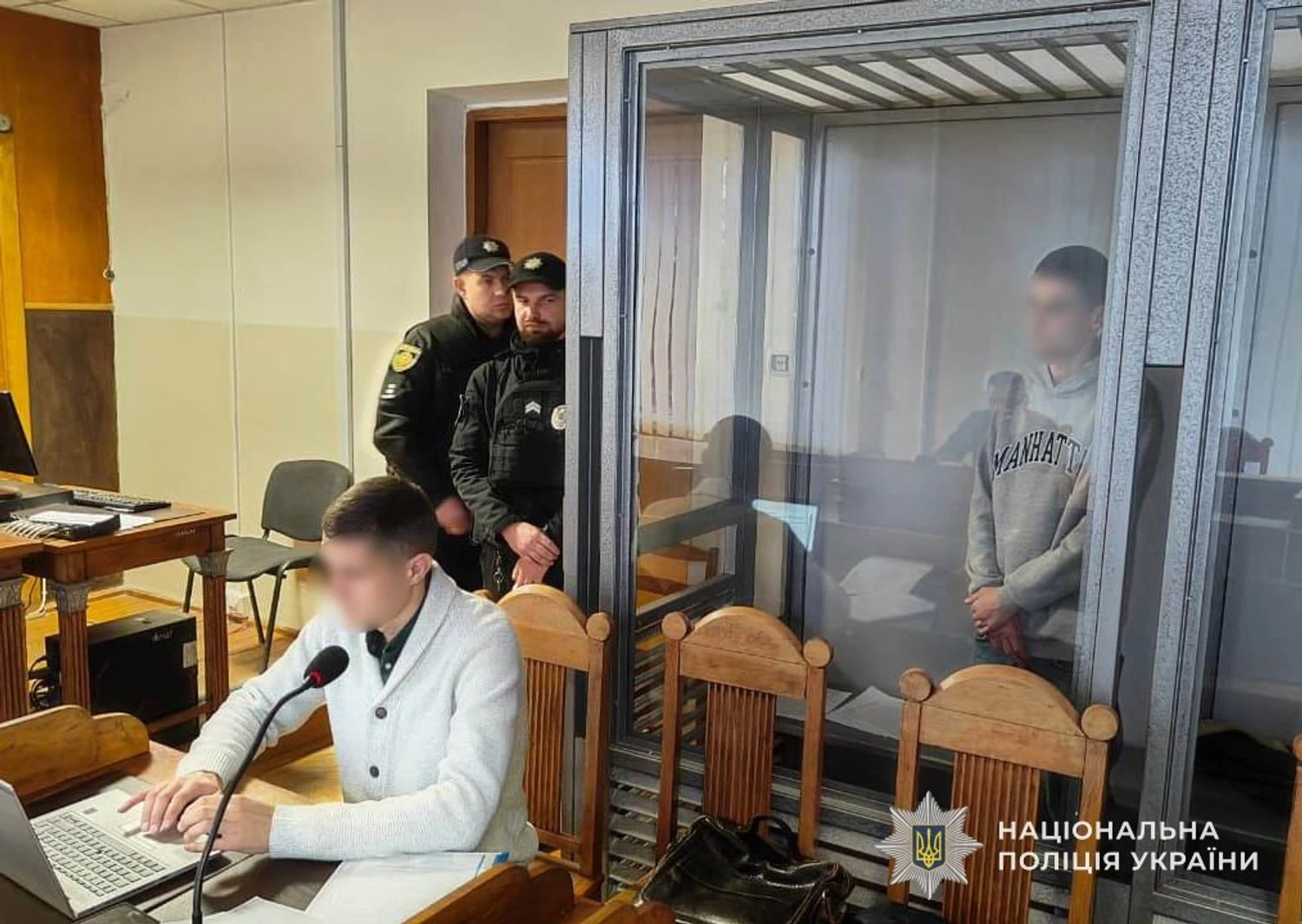
According to the National Police of Lviv region (reports UNN), the indictment in the case of the attack on performers of the folk ensemble «Hutsuliya» has been sent to court. Three defendants are charged with hooliganism under part 2 of Article 296 of the Criminal Code of Ukraine — the sanction provides for up to five years of restriction of liberty or up to four years of imprisonment.
"A group of persons got into a conflict with the driver and passengers of a minibus — performers of one of the Prykarpattia folk ensembles, who were returning from a tour to Ivano-Frankivsk and had stopped at a gas station"
— National Police of Lviv region
What is known
The incident occurred on December 7 on the premises of a gas station in the village of Sheptytske. According to the police, the driver and one of the performers, both residents of Ivano-Frankivsk region, sustained bodily injuries.
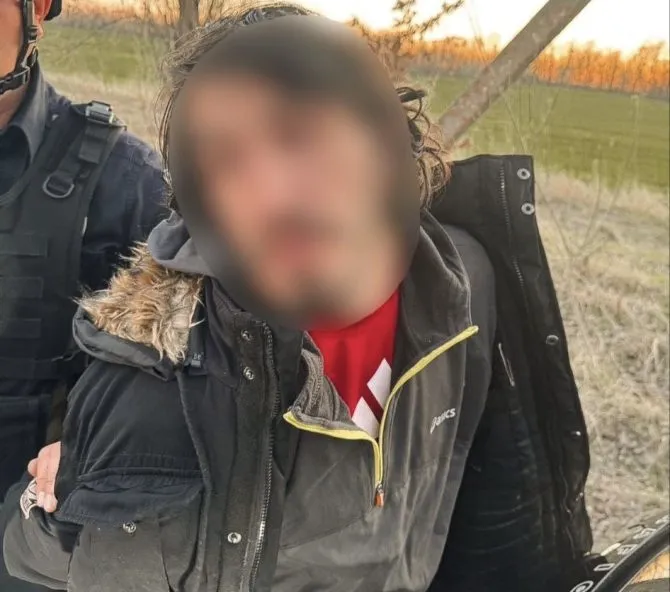
The pre-trial investigation has been completed. An indictment has been sent to court against three suspects — residents of Sheptytske aged 17, 18 and 20. The whereabouts of the fourth suspect, a 21-year-old man, are currently being established; after his apprehension a preventive measure will be imposed.
Why this matters
This case goes beyond a local dispute: firstly, it is a matter of the safety of people in the cultural sector who travel from performances and rely on the safety of roads and service points. Secondly, the reaction of law enforcement and the court’s subsequent decision are a signal to communities: does the principle of accountability apply here, or are such incidents quickly forgotten.
For performers and tour organizers, such incidents increase logistical risks and security costs. Lawyers and civic activists emphasize that cases with clear victims and documented consequences should lead to convictions in order to prevent similar incidents in the future.
Now it is up to the court: the court’s decision will show whether this case will set a precedent for improving the safety of tours and discipline at the local level. It is also important that the search for the fourth suspect is completed — the thoroughness of the investigation matters for public trust in the justice system.