Arson in Bucha: Man Faces Up to 10 Years in Prison — What This Says About Community Safety
In Bucha, a 44-year-old suspect in the arson of a house has been detained. While the incident stems from a personal vendetta, it carries broader implications for local security and public trust in institutions.

By Tetiana Suchkova-Ladik
March 25, 2026 · 1 min read

Short and to the point
In the city of Bucha, a 44-year-old man intentionally set fire to a house where his acquaintance periodically stayed. Police say the motive for the arson was revenge. Fortunately, there were no casualties — residents were evacuated in time or were not present in the dwelling.
Law enforcement actions and legal qualification
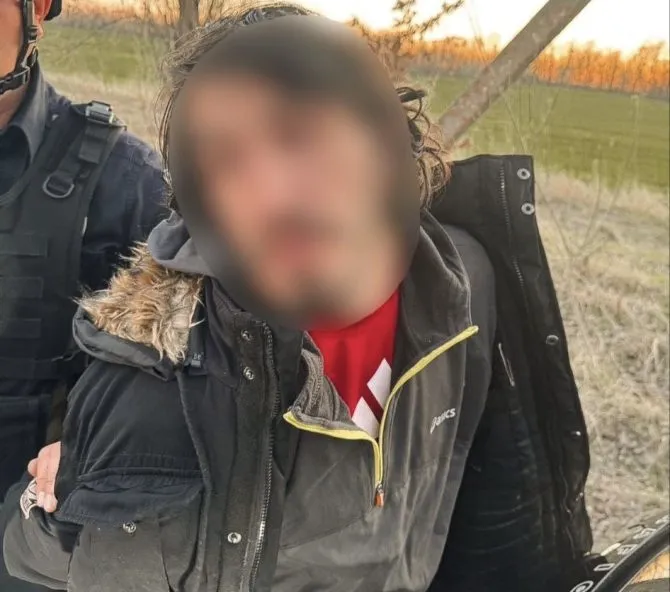
Police promptly detained the suspect and notified him of suspicion in a crime classified as intentional destruction of another person's property by arson. Under this article he faces up to 10 years' imprisonment — a standard sanction that underscores the seriousness of the risks associated with such actions.
"The man has been notified of suspicion for the intentional destruction of another person's property by arson"
— Bucha Police
Why this matters to the reader
Personal conflicts that escalate into crime pose a threat not only to the damaged property but also to the neighborhood: a fire can spread rapidly, affecting infrastructure and people's lives. For the community, it is important not only that the suspect was detained, but also that institutions are able to prevent similar incidents in the future.
Context and consequences
This incident is a reminder of the need for vigilance and timely response from residents: quickly notifying the police and emergency services reduces the risk of large-scale destruction. It also raises questions about preventive work on domestic conflicts and access to protection mechanisms for vulnerable individuals.
Now it is up to the investigation to determine whether experts will confirm the motive and the degree of intent, and whether court proceedings will reinforce the message that such crimes receive an appropriate legal response. Until then, it is important that communities remain calm and trust the investigative process.