District heating pipeline rupture in Kyiv: 16-year-old girl with 73% burns — criminal proceedings opened
A crash on Lobanovskyi Avenue left a teenager and another person with serious injuries. We examine how it happened, who is responsible, and what the investigation will change.

By Tetiana Suchkova-Ladik
January 3, 2026 · 2 min read
Putting emotions aside: what happened and why it matters
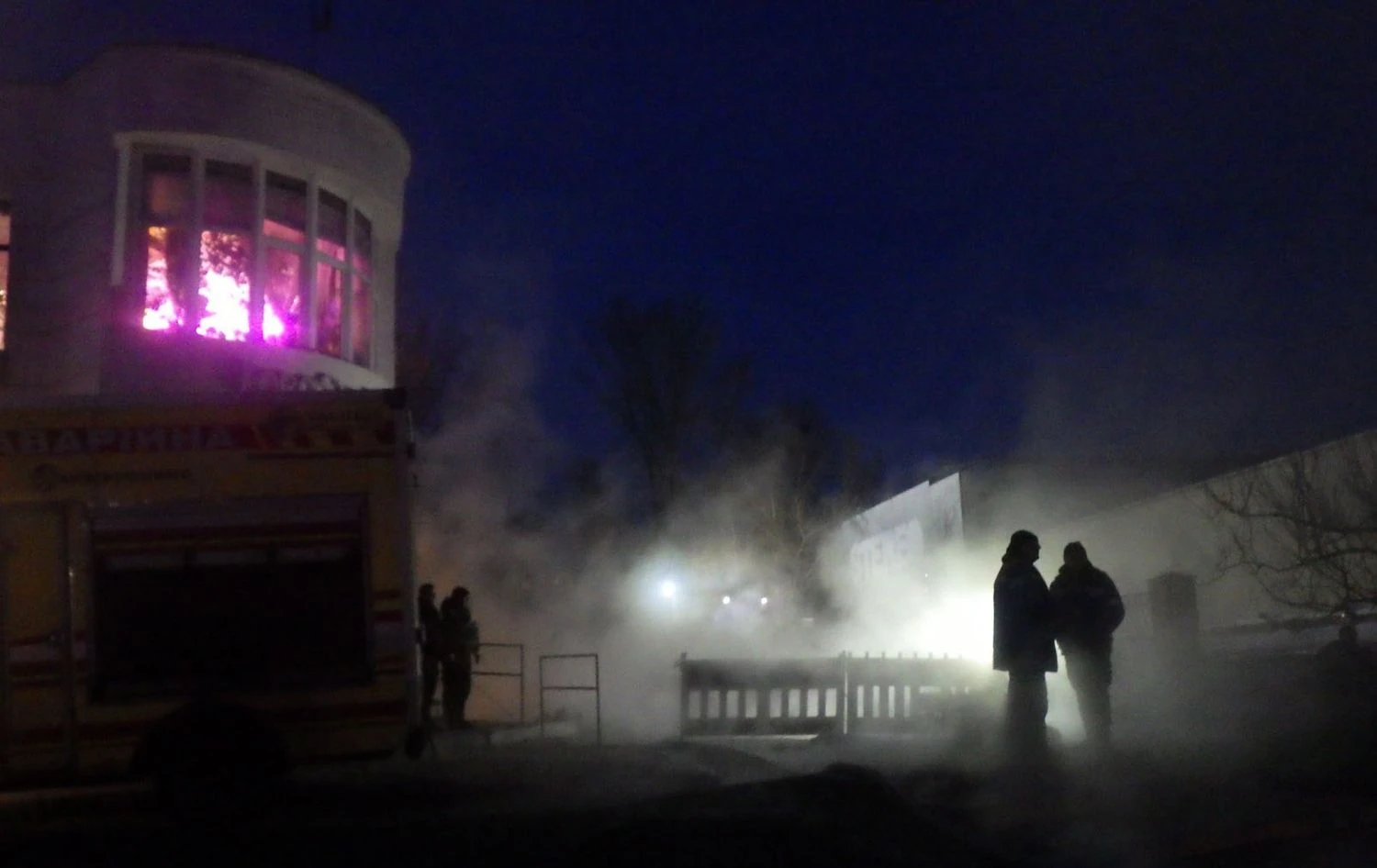
In the Holosiivskyi district of Kyiv there was a rupture of a heating pipeline on Valeriy Lobanovskyi Avenue. As a result of the accident, hot water came to the surface, creating a deep pit filled with scalding water. A 16‑year‑old girl fell into it — according to official information, she suffered burns to about 73% of her body and is in critical condition in intensive care. A 53‑year‑old woman was also injured, sustaining burns to her lower limbs.
“The investigation has established that a heating pipeline of the centralized heating system ruptured, causing hot water to come to the surface and creating a danger to pedestrians. Despite the presence of barriers around the damaged area, due to their improper installation and delayed response by the relevant services, people were injured.”
— Main Department of the National Police in Kyiv
Liability: what proceedings have been opened
Following the incident, investigators of the Holosiivskyi Police Department, under the procedural supervision of the Holosiivska District Prosecutor’s Office, opened a criminal case under two articles of the Criminal Code of Ukraine: Part 2 of Article 367 (official negligence that caused grave consequences) and Part 2 of Article 272 (violation of safety regulations during work of increased danger). The maximum penalty is up to eight years imprisonment.
“Law enforcement officers are currently clarifying all circumstances of the incident and are giving a legal assessment of the actions of officials responsible for the maintenance and safe operation of the heating networks.”
— Holosiivska District Prosecutor’s Office
Why this happened: context and consequences
Preliminary data point to a combination of a technical failure and inadequate securing of the damaged site — there was a barrier, but it did not ensure pedestrian safety. Partly this is related to the strain on infrastructure after damage from shelling: municipal workers are already carrying out repairs on the heating network on Sobornosti Avenue after the December 27 shelling, and heating supply is temporarily limited for some consumers.
For readers this has a direct safety dimension: such incidents highlight the risks during emergency response — insufficient signage, leaky barriers and delays in repairs can cost lives or health.
What’s next: investigation and practical steps
The investigation will determine legal responsibility, but reducing risks requires systemic solutions: prompt informing of residents about incidents, standards for barriers and temporary traffic closures, transparent reports from municipal services on the condition of networks and repair timelines. It is also important to ensure openness of the investigation — the public must see who is being held responsible and for what.
If you witnessed the accident or have information about inadequate barriers or the response of services — report it to law enforcement and local authorities. Supporting the injured and monitoring the progress of the investigation are things each of us can do.
Conclusion
This tragedy is a reminder that even away from the front, infrastructure safety must be a priority. The investigation will show whether regulations were violated and whether there is official culpability. In the meantime — questions remain for municipal services and city authorities: what measures will they take to prevent such incidents from recurring?