Pants Caught in Escalator at Vokzalna: How the Metro's Quick Response Averted Injuries
An incident at around 16:30 at a station in the capital underscores that basic safety rules and the swift response of staff save lives. A timeline, debunking of rumors, and practical takeaways for passengers.

By Tetiana Suchkova-Ladik
February 16, 2026 · 2 min read
What happened
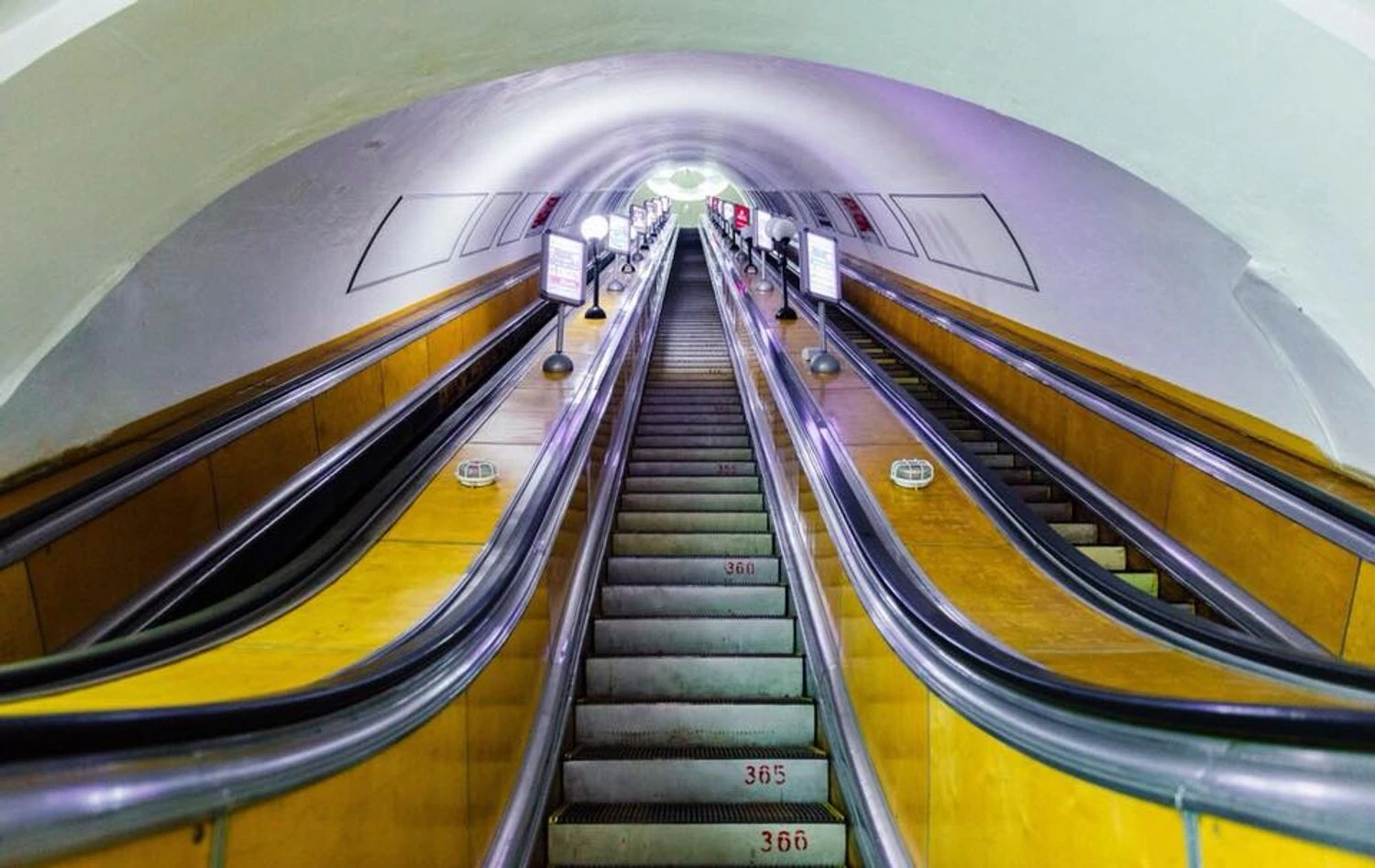
At about 16:30 at Vokzalna metro station a passenger's wide trouser hem became caught in an escalator. The UNN journalist was given this information by the Kyiv Metro press service: the escalator was stopped, the clothing was promptly removed, there were no injuries.
The escalator stopped. Our specialists promptly removed the clothing from the escalator comb. The passenger was not injured, and the equipment was not damaged.
— Kyiv Metro press service
What was checked and why citing sources matters
Posts circulated online claiming there had been another woman who fell and was injured. The metro press service denied that information: there was no fall and no injuries. This version confirms a journalism rule — rely on official data and make gradual fact clarifications instead of quick conclusions.
As far as I know from operational information — there was no fall and no injuries either.
— Kyiv Metro press service
Separate episode: fall onto the tracks
In addition to the clothing incident, another case was recorded at the same station: a woman of about 50 fell onto the tracks. She was retrieved alive, an ambulance was called, and train service was restored after about a 7-minute delay. Together these events remind us of the various risks in the metro and the importance of coordination among emergency services.
Why this happens and what passengers should do
The reason incidents often happen is simple: wide hems, scarves, or shoelaces can get caught on the escalator comb. At the same time, the quick response of metro staff (stopping the drive, extracting the item, checking the equipment) is a key factor in reducing risks.
Practical advice: keep to the right and stand away from the edge when using escalators; secure or fold long hems; do not stand close to the escalator's moving parts; contact metro staff at the first sign of a problem.
Conclusion
This incident is a reminder of two things: first, small safety measures matter a great deal; second, systematic work by metro personnel and timely communications are the foundation for minimizing risks. Whether to additionally strengthen information campaigns for passengers is a matter for the metro administration and city authorities.