From Seed to Bag: Full Cycle of Cannabis Cultivation and Sale Uncovered in Kyiv Region
Police seized more than 14 kg of cannabis — the case illustrates how online purchases of seeds are turning into a local security threat. We unpack the scheme, the legal consequences, and what it means for the community.

By Tetiana Suchkova-Ladik
March 26, 2026 · 1 min read
What happened
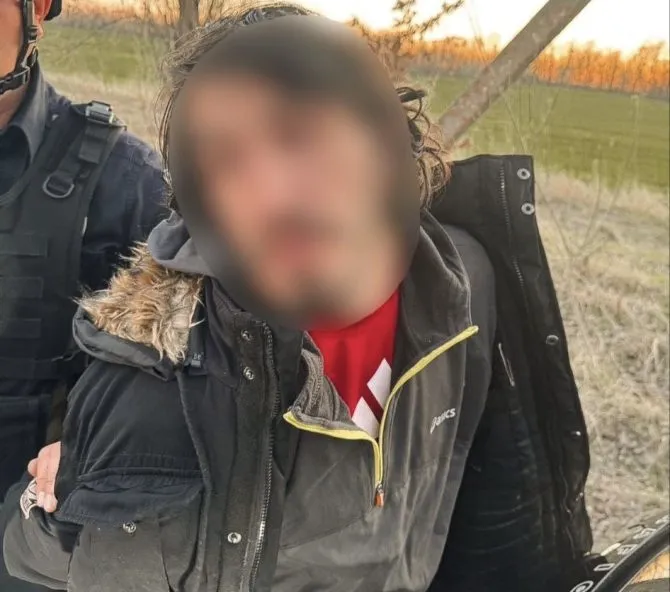
In Obukhiv district, police exposed a 50-year-old resident of the Rzhyshchiv community who organized a full-cycle production of a narcotic substance — from purchasing seeds to packaging the finished product for sale. During searches, more than 14 kilograms of cannabis were seized.
How the scheme worked
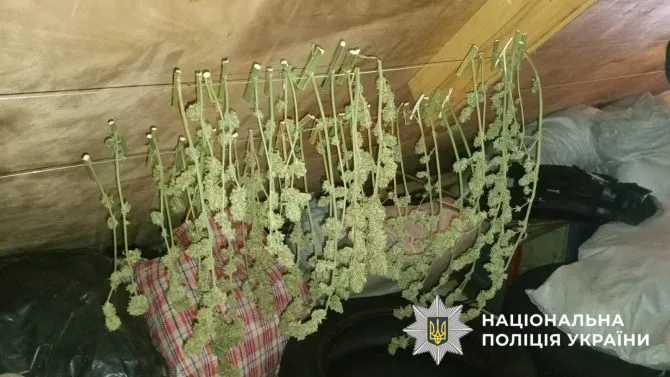
According to the investigation, the man purchased cannabis seeds online and planted the plants in a wooded strip near his home. After harvest, the plants were moved to residential premises where they were dried and packed into plastic bags — preparation for sale took place in the residence and the garage.
Seizure and legal qualification
"During a search of the suspect's residence, in freezers in the utility room of the house and the garage, police discovered and seized over 14 kilograms of cannabis"
— Kyiv Oblast Police
The suspect has been detained; he has been charged with illegal manufacture, purchase and possession of narcotic substances with intent to sell in especially large quantities (Part 3 of Article 307 of the Criminal Code of Ukraine). The penalty under the article provides for up to 12 years of imprisonment.
Why this matters
This case is not just the criminal story of one resident. It shows how accessible online markets for seeds and a lack of rapid detection allow a "hobby" to become a large-scale shadow business that undermines community safety and burdens the law enforcement system. Law enforcement and analysts fighting drug crime note that local production is often part of broader networks or distribution channels that must be broken systemically.
What's next
The investigation will soon establish the circle of contacts and potential buyers, as well as the source of the seed supply. For the community, the important message is not to ignore suspicious schemes, to report them to the authorities and to support preventive measures. Will it be possible to break the distribution chain? That depends on coordination between the police, the prosecutor's office and the local community.