Bus explosion in Kyiv's Podilskyi district: emergency services responded, no injuries reported — what it means
An explosion occurred on a bus at the terminal stop in Podil. Authorities report no casualties and say bomb technicians have been deployed — we examine why the incident matters for the city's security and what to expect next.

By Oleg Bazylewicz
December 26, 2025 · 2 min read
What happened
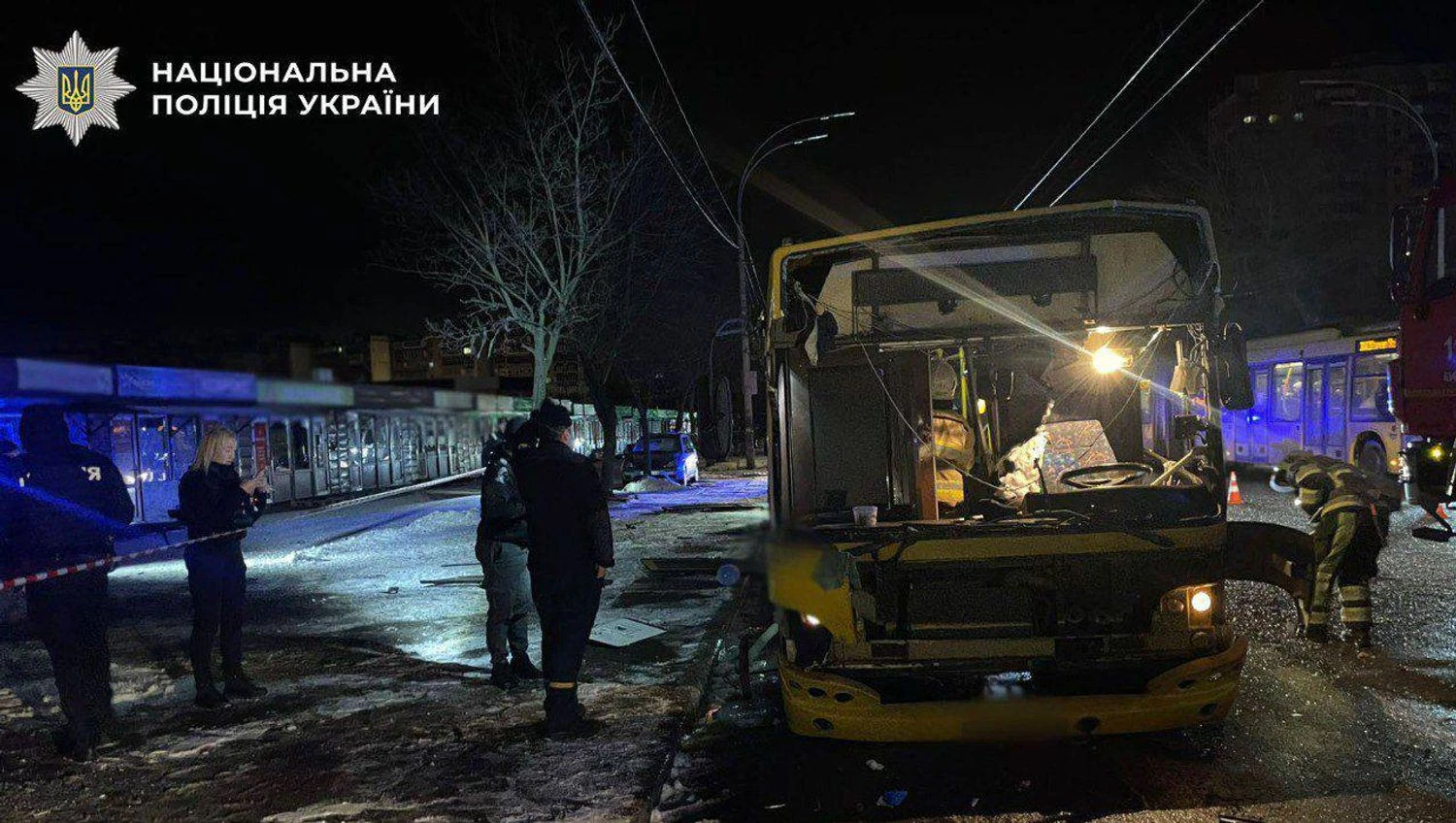
An explosion occurred on a bus at the terminal stop in the Podilskyi district of Kyiv. The incident was reported by the Main Directorate of the National Police in Kyiv, UNN reports. According to preliminary information, the vehicle had no passengers: the explosion happened shortly after the driver began to move.
The police are clarifying the circumstances of the bus explosion in the Podilskyi district of the capital. Information about any injured persons is being established. Police units, explosive ordnance disposal teams and other emergency services have been dispatched to the scene.
— Main Directorate of the National Police in Kyiv
Context and consequences
Key fact: according to preliminary reports, there are no casualties. For city residents this is important information — but the incident has a broader context: an explosion on public transport raises questions about safety protocols at terminal stops, the quality of vehicle inspections and the promptness of emergency response.
Security experts point out that even isolated incidents of this type test the readiness of the response system — from patrols and bomb technicians to desktop analysis of surveillance camera footage. It is on these capabilities that the speed of establishing the cause and minimizing risks for residents depends.
What is known about the circumstances
According to available data: the bus was at the terminal stop, without passengers; the explosion occurred after it started moving. Police units and explosive ordnance disposal teams have been dispatched to the scene and are conducting a preliminary assessment. The police promised to release additional details after the completion of initial investigative actions.
What will happen next
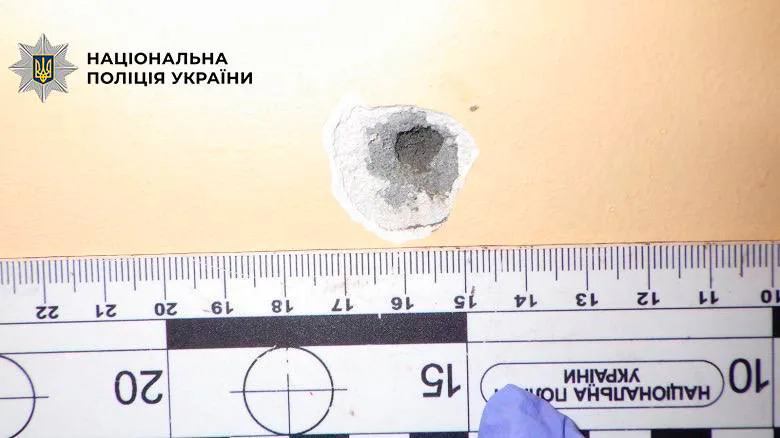
The next steps are standard: inspection of the scene, seizure and analysis of physical evidence, review of camera recordings, interviews with witnesses and the driver, as well as expert examination of any ordnance or device remnants if found. The results of this phase will determine whether the incident was a criminal offense, a technical malfunction or another type of event.
Separately: road accident in Kyiv region
Separately, law enforcement reports a road traffic accident in the Kyiv region in which a child died. This is a separate tragic case, not related to the explosion in the capital, but a reminder of the need to strengthen road controls and pay attention to transport safety.
Summary: it is now important to await the official conclusions of the investigation. Residents of Kyiv should remain calm but pay close attention to messages from law enforcement and follow the instructions of emergency services. The incident is under investigation — and the speed and quality of that investigation will determine whether additional preventive measures are implemented in the city.