Paid $5,000 to have his mother-in-law killed: sting and special operation exposed the organizer
A family dispute over property escalated into a criminal plot — law enforcement identified the organizer at the preparation stage through a targeted operation that recorded evidence.

By Tetiana Suchkova-Ladik
March 12, 2026 · 2 min read
What happened
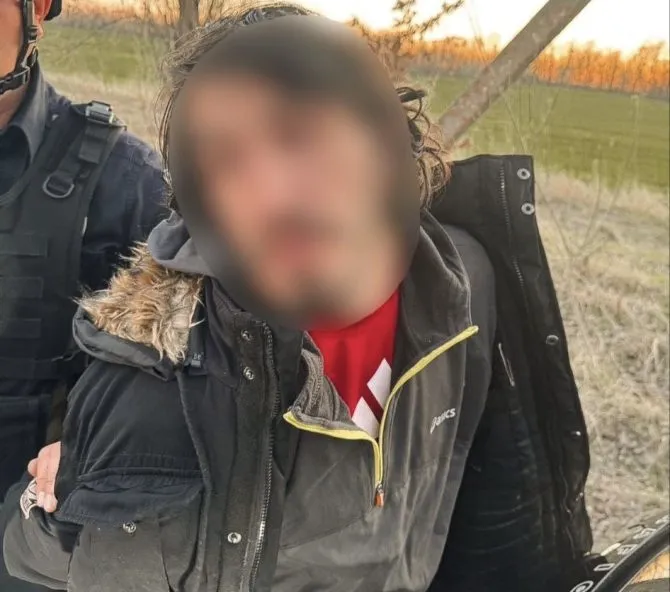
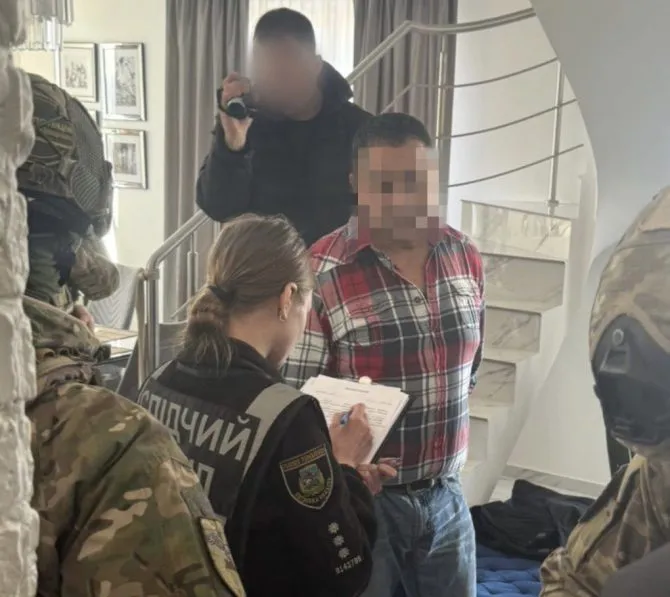
Under the procedural supervision of the Brovary District Prosecutor's Office, a 53‑year‑old Kyiv resident was detained on suspicion of organizing a contract attempt at premeditated murder for profit (part 2 of Article 15, part 3 of Article 27, subparagraphs 6 and 11 of part 2 of Article 115 of the Criminal Code of Ukraine). According to the investigation, a conflict between the suspect and the mother of his former wife over property became the basis for the criminal plan.
How the scheme worked
The man sought to obtain money the woman had been saving to buy housing for her grandchildren — his children — and found an acquaintance through whom he began looking for a perpetrator. He was then introduced to a person he believed to be a "killer."
“He agreed to pay the alleged hitman $5,000 for the murder of his ex‑mother‑in‑law or to allow him to take the money the man might find in the woman's house after the crime,”
— Brovary District Prosecutor's Office
Law enforcement documented the suspect's actions even at the preparation stage. To expose the client and gather indisputable evidence, operatives staged the murder: the victim was doused with paint, laid on the floor and had her hands tied, and a photo simulating the aftermath of the crime was taken. The photos were passed to the suspect as "proof" of the purportedly completed contract — after which he was detained.
“The victim was doused with Halloween paint, laid on the floor, her hands were tied, and a photo was taken that simulated the consequences of the crime. The woman was not harmed and is now safe,”
— Brovary District Prosecutor's Office
What this means
This case is important not only as an episode of domestic violence but as an example of how criminal motives — greed and family disputes — turn into a threat to safety. At the same time, it demonstrates the coordinated work of the prosecutor's office, police and the SBU: operational units uncovered the conspiracy at the preparation stage and carried out a targeted evidence‑gathering operation, which protected the victim and allowed the suspect to be detained without further victims.
The man has already been notified of suspicion; the prosecutor's office is petitioning for a preventive measure — detention in custody. If found guilty, he faces from 15 years' imprisonment up to life imprisonment. The pre‑trial investigation is being conducted by the Brovary District Police Department with operational support from the SBU.
Conclusion
Cases of this type offer several practical lessons: first, civil conflicts can take on a criminal dimension; second, law enforcement operational tools — from documentation to staged operations — can stop a crime at an early stage. The question remains for society and the courts: how quickly and effectively will the system turn such exposures into real protection for vulnerable people and just sentences for those who order crimes?