Britain considers banning crypto donations to political parties — Farage’s party could be in the crosshairs
The UK government is examining the possibility of banning the financing of political parties with cryptocurrency. The restriction could hit Nigel Farage’s Reform UK hardest — the first party to officially accept such donations.

By Tetiana Suchkova-Ladik
December 2, 2025 · 2 min read
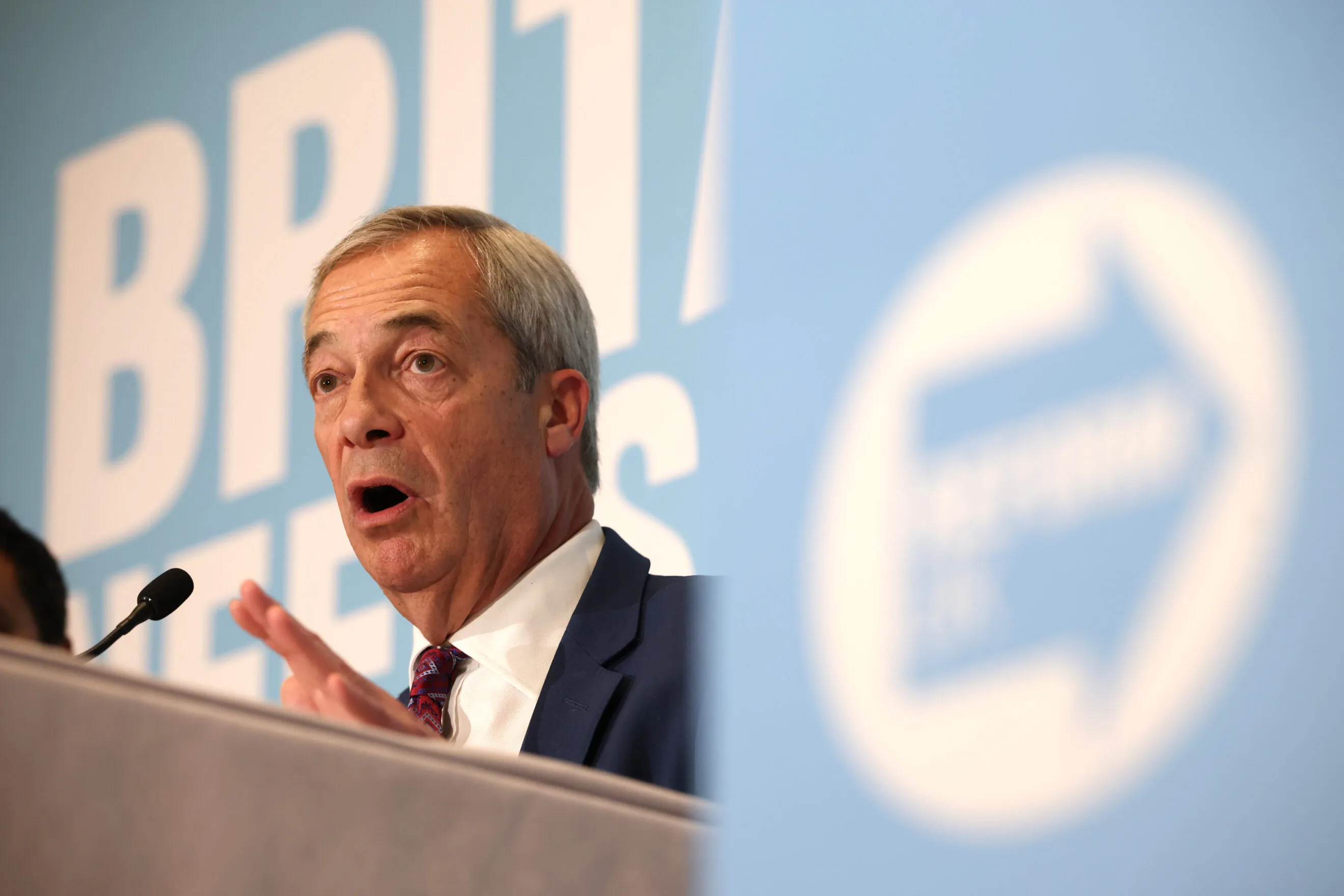
Government is considering a ban on crypto donations
The British government is considering banning the use of cryptocurrencies to fund political parties. This decision could directly affect Nigel Farage’s Reform UK — the first party in the UK to start accepting political donations in cryptocurrency this year.
Reform UK became the first political force to accept crypto donations
Farage’s party launched its own portal for cryptocurrency donations and said it had “enhanced” control mechanisms to prevent abuse. In October Farage confirmed to Reuters that Reform UK had already received several such donations.
Farage himself, who holds his own long-term crypto assets, positions himself as the “only hope” of the British crypto industry, seeking to follow Donald Trump’s stance on digital currencies.
Government under pressure over a ban
Although the initial draft bill did not include provisions banning crypto donations, the government — which is trailing Reform UK significantly in the polls — is now under pressure to introduce such restrictions.
The idea of a ban has previously been supported by former Cabinet Office minister Pat McFadden, business committee chair Liam Byrne and MP Phil Brickell, who chairs the cross-party group on anti-corruption and fair taxation.
Why crypto donations are causing concern
Experts on transparency of funding warn that the origin of crypto transfers is difficult to trace. This creates a risk of:
- foreign interference in UK politics;
- the use of funds obtained through criminal activity;
- breaching laws that effectively prohibit political donations from abroad.
The government also plans to add provisions that will change the rules on party funding — including limits for shell companies and unincorporated associations. Parties may be required to carry out mandatory risk assessments regarding foreign influence.
Context: cryptocurrencies as a tool of interference
Intelligence agencies say Russia is increasingly using digital assets to evade sanctions and fund destabilisation operations — including in Moldova’s elections.
Debate intensified after the conviction of Nathan Gill — the former leader of Reform in Wales and a former Member of the European Parliament for Farage’s party. He was sentenced to more than 10 years for accepting money to promote pro‑Russian messages in the European Parliament.
Farage distanced himself from the case, calling Gill “a bad apple.” Meanwhile, Prime Minister Keir Starmer urged Farage to conduct an internal investigation.
Government promises to "protect democracy"
The Ministry of Housing, Communities and Local Government said the current system of political funding has left democracy vulnerable to foreign influence.
“Our new tough rules on political donations, set out in the Elections Strategy, will protect British elections while also allowing parties to continue funding their activities,”
– the government said.