Kim Jong Un ordered North Korean soldiers not to surrender in Ukraine.
North Korea is using the conflict in Ukraine for propaganda, urging soldiers to blow themselves up if faced with the threat of capture. This is being promoted as a display of eternal loyalty to Kim Jong Un.
By Oleg Bazylewicz
November 28, 2025 · 2 min read
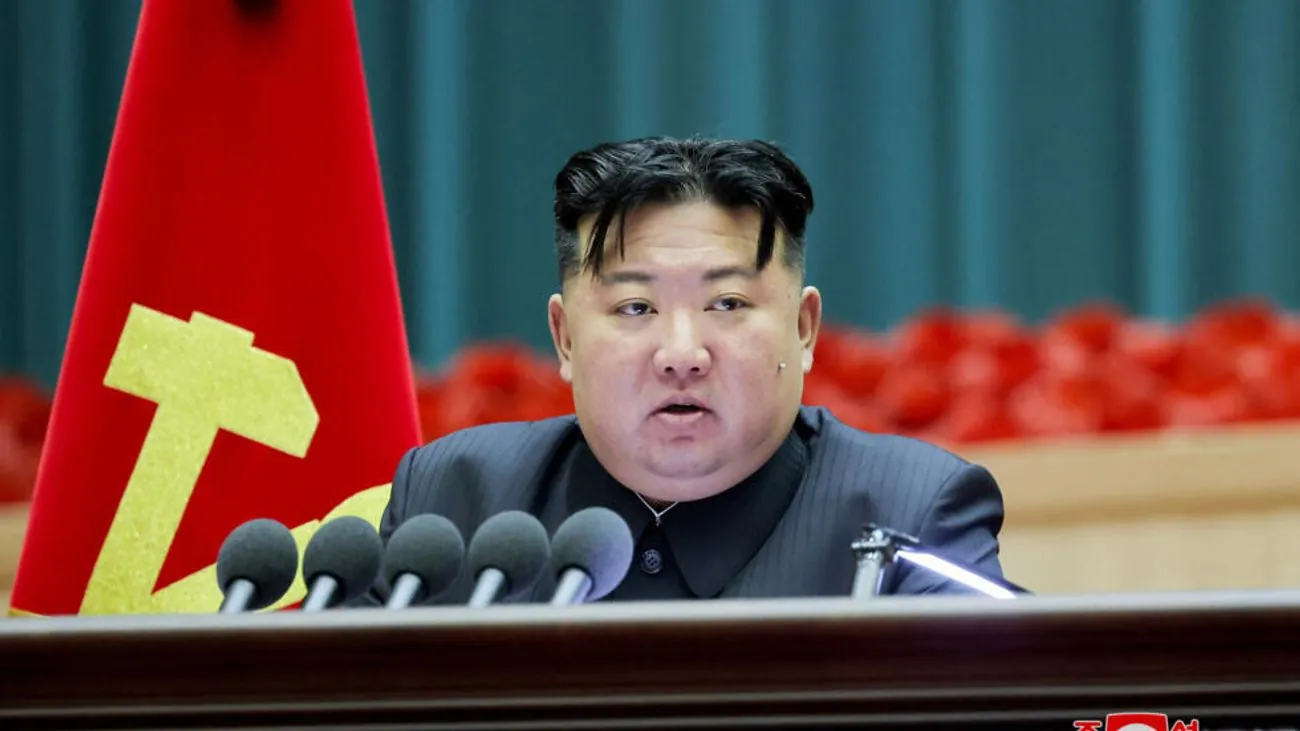
North Korea is actively using the war in Ukraine for harsh military coercion, imposing a cult of self-sacrifice on soldiers. DPRK military personnel are ordered to blow themselves up if capture is imminent, which is presented as an expression of Kim Jong Un's "eternal devotion".
According to sources within the North Korean military, during political sessions held at least twice a week the army emphasizes the "heroic deeds" of soldiers who allegedly chose self-detonation in the conflict against Ukraine.
These sessions focus on stressing the devotion of servicemen who died carrying out the leader's orders. Messages are also spread that these soldiers "achieved a record of valor" unattainable by Russian troops.
The DPRK army emphasizes sacrifice, proclaiming: "If you give your life — you will live forever." A new slogan has even appeared: "Let us learn from the warriors who blew themselves up."
The methods of ideological indoctrination differ little from before, but now they particularly stress phrases like: "You will live forever if you meet death".
North Korean authorities glorify soldiers who died in the war for their "disregard for death" spirit, calling them "heroes who carried out the Supreme Leader's orders". This indicates the promotion of the idea of self-sacrifice without regard for soldiers' right to life.
"Today, if you look at what is being said in the army, everything boils down to heroic stories about self-detonation in the war and a willingness to die, which ultimately means they do not value soldiers' lives," the source said. "By adding the concept of eternal life, a sense is created that death is being turned into a sign of loyalty."
Information about the presence of DPRK military personnel in the Zaporizhzhia direction has not yet been confirmed.
Soldiers around 20 years old have mostly resigned themselves to participating in these activities, although some of them do express devotion and readiness for self-sacrifice under ideological pressure.
The DPRK military leadership is concerned about whether such indoctrination can increase soldiers' readiness to participate in the war.
"Military officials do not believe that their ideological activities, conducted by the same methods for decades, have produced a 100% result," the source said. "The main thing is whether soldiers will be able to go to war and give their lives, and since that is not easy, officials believe that changes in the methods and content of ideological work are inevitable."
In early November, South Korea reported the deployment of more than 10,000 North Korean troops near the border with Ukraine and the dispatch of engineers and construction workers to Russia. The DPRK confirmed sending military personnel to Russia to participate in the war against Ukraine, receiving resources in return.